


The Psychology Behind the Growing Backlash Against Artificial Intelligence
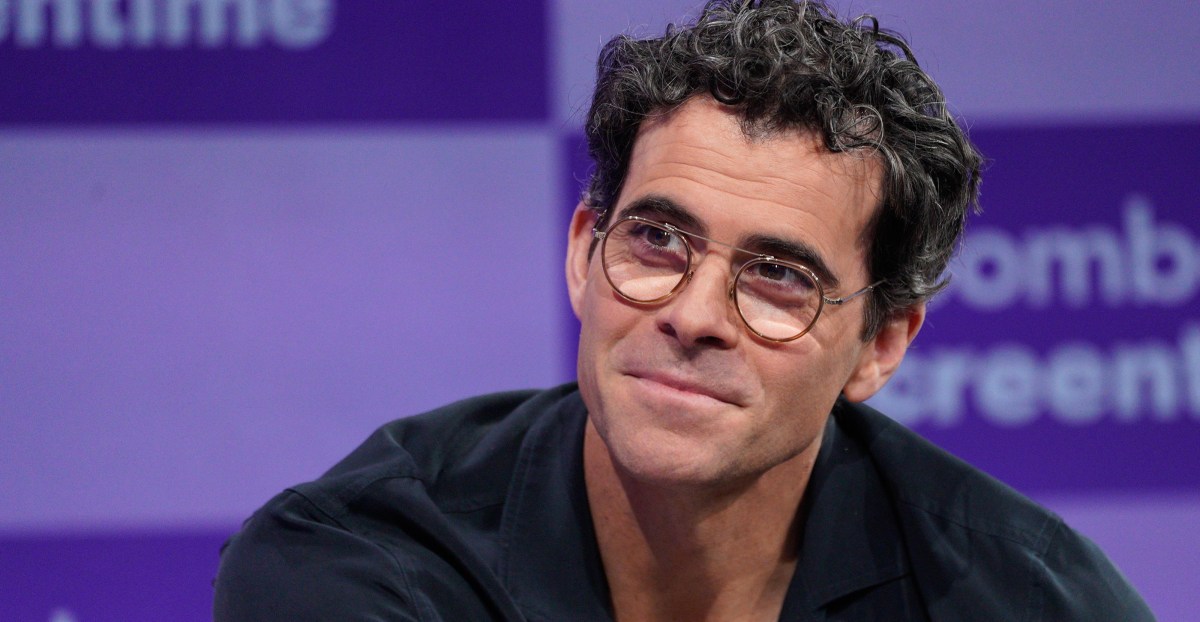
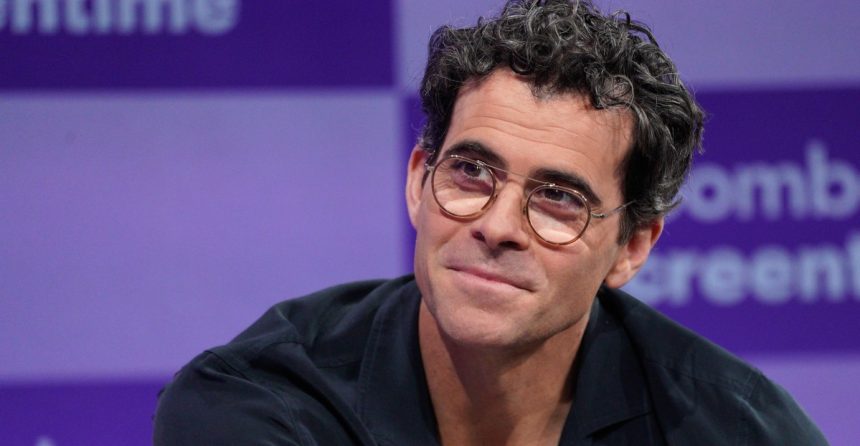
Adam Mosseri, the head of Instagram, recently weighed in on the palpable tension surrounding the rapid integration of artificial intelligence into our daily lives. During a candid conversation on the Colin and Samir podcast-where he also discussed the platform’s strategic pivot toward widescreen and long-form video content-Mosseri addressed the rising tide of public skepticism toward machine learning technologies.
Why AI Triggers Such Intense Public Resistance
The conversation touched upon the increasingly common phenomenon of college students openly protesting tech CEOs during commencement speeches. Mosseri observed that this hostility isn’t confined to a specific demographic or professional niche; rather, it is a widespread sentiment that spans across various age groups and industries.
According to the Instagram executive, the root of this collective frustration is fundamentally psychological. He suggests that the widespread apprehension toward AI is driven by a deep-seated “fear of being left behind.” As automation tools become more sophisticated, many individuals feel their professional relevance is being threatened, leading to a defensive posture against the technology itself.
The Creative Industry’s Existential Crisis
Mosseri highlighted that this anxiety is particularly acute within the creative sectors. For artists, writers, and designers, AI is not merely a tool for efficiency; it is perceived as an existential challenge to the value of human expression. This sentiment is backed by recent data: a 2024 survey by the Creative Industries Council found that over 60% of creative professionals express significant concern regarding the impact of generative AI on their job security and intellectual property rights.
Much like the historical resistance to the introduction of the printing press or the digital camera-technologies that initially sparked fears of obsolescence before eventually becoming essential tools-the current AI boom is forcing a painful transition. However, the speed of this current shift is unprecedented, which only serves to amplify the sense of urgency and anger among those who feel their livelihoods are at stake.
Ultimately, Mosseri’s perspective suggests that until the tech industry can better address these fears of displacement, the friction between AI developers and the public will likely continue to intensify.