
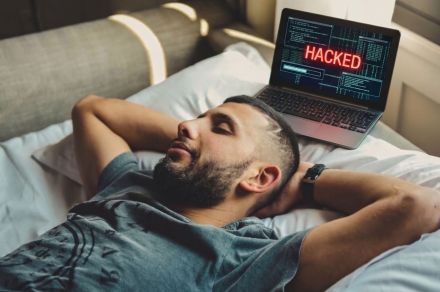
Turns out, hackers might love your late-night Netflix binges Unsplash
When you are sleep-deprived, that dodgy email promising an urgent account update might look a little more legit. A small decrease in sleep may make people more likely to click on phishing links, raising new concerns about how fatigue impacts online security, researchers at the University of California, Irvine, say.
Published in the Proceedings of the National Academy of Sciences, the study looked at employee behavior following the switch to daylight saving time, when clocks are set forward an hour. The results show that cybersecurity threats aren’t always high-tech hackers or elaborate scams. Sometimes all it takes is a tired brain to make an otherwise avoidable mistake.
One hour less sleep = 13% more susceptible to phishing
Researchers analyzed results from a cybersecurity awareness campaign with more than 11,000 employees at a large US institution. The organization regularly sends simulated phishing emails to staff as part of its regular security training and monitors whether they click on suspicious links.
Unsplash
Researchers compared employee responses on the Monday before the daylight saving time switch and the Monday directly after.