



Regularly cutting it short on sleep could have consequences beyond just feeling tired the next morning.
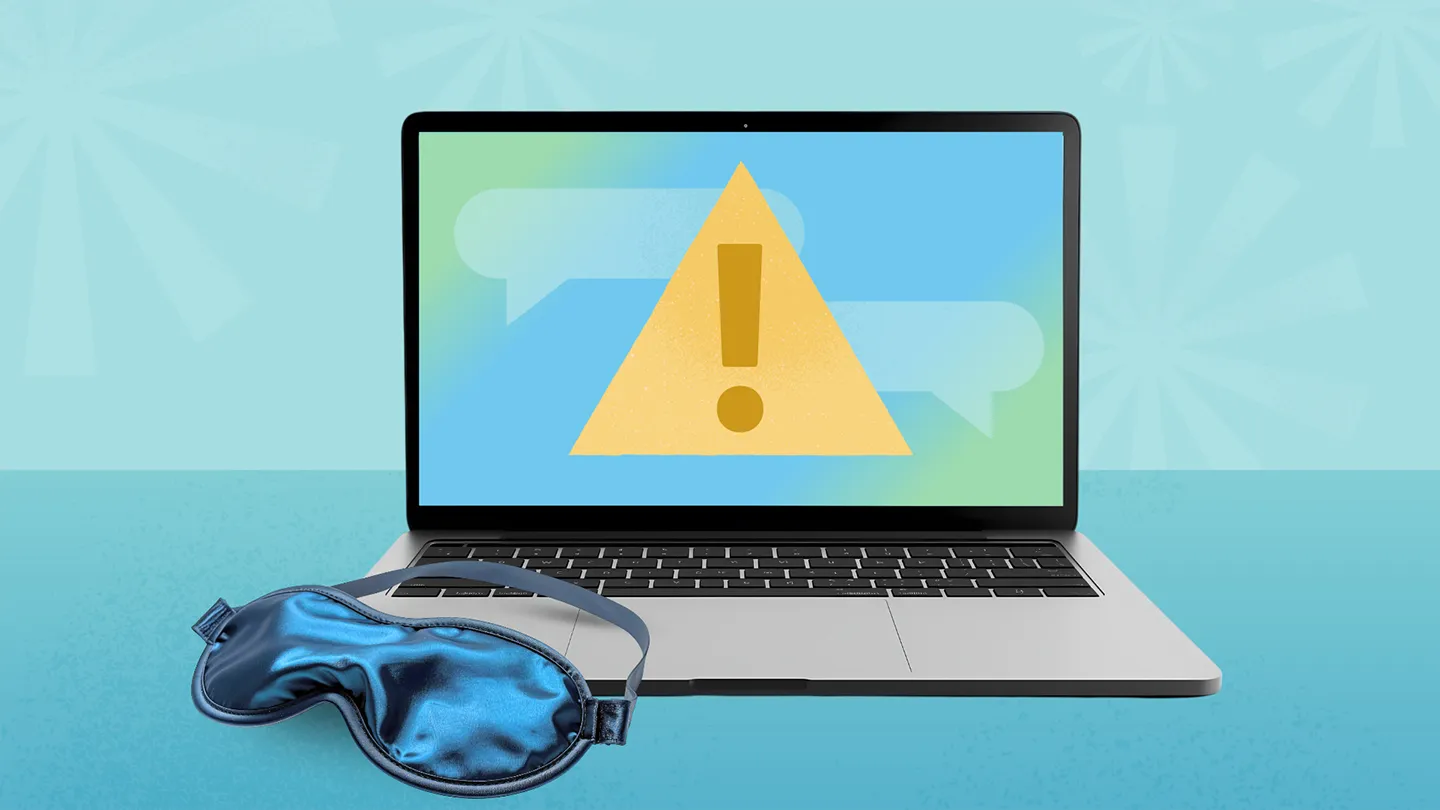
New research suggests that even modest sleep loss may make people more vulnerable to phishing scams, those all-too-common fraudulent emails designed to trick recipients into sharing personal information or clicking on malicious links.
In the study, the rate of clicking on simulated phishing links was about 13 percent higher following the spring daylight saving time transition, when clocks move forward an hour, throwing off sleep schedules. Experts say that the findings raise questions about how seemingly minor sleep disruptions may affect everyday judgment.
“Most of us don’t think of checking email as something we need to be well-rested for,” says Michael Grandner, PhD, director of the Sleep and Health Research Program at the University of Arizona College of Medicine in Tucson,