


The Differences Between Soluble and Insoluble Fiber
Experts liken fiber to an on-off switch as far as IBS is concerned. Soluble fiber slows things down in the digestive tract and improves stool consistency, helping with diarrhea, while insoluble fiber can speed things up, alleviating constipation.
“Soluble fiber is hydrophilic, so people can think of soluble fiber as being a magnet for water,” says Melissa Majumdar, RD, a senior bariatric dietitian for the Brigham and Women’s Center for Metabolic and Bariatric Surgery in Boston.
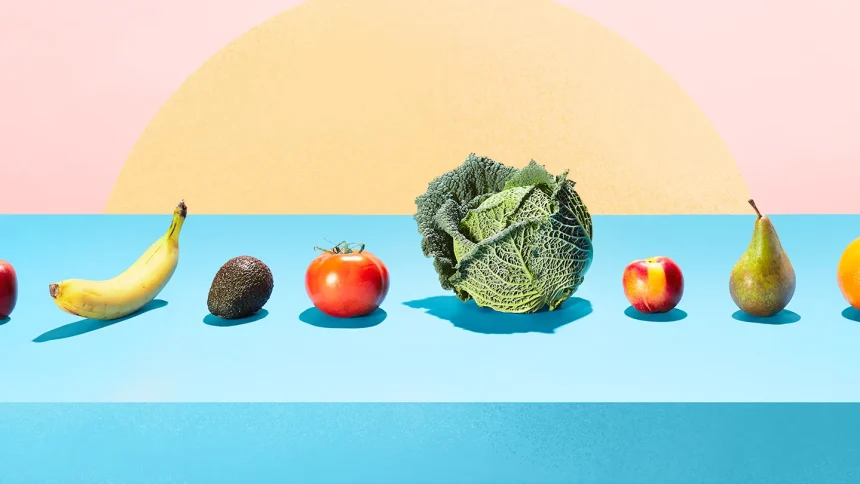
By attracting water, soluble fiber removes excess fluid from the gut, which is how it helps decrease diarrhea. Majumdar recommends that her patients with IBS who are dealing with diarrhea increase their intake of these soluble fiber-rich fruits and vegetables:
- Apples
- Oranges
- Pears
- Strawberries
- Blueberries
- Peas
- Avocados
- Sweet potatoes
- Carrots
- Turnips
Oats,