



This story was originally published on The Conversation in 2020 and is being republished by The Independent in the lead-up to Thanksgiving in 2026.
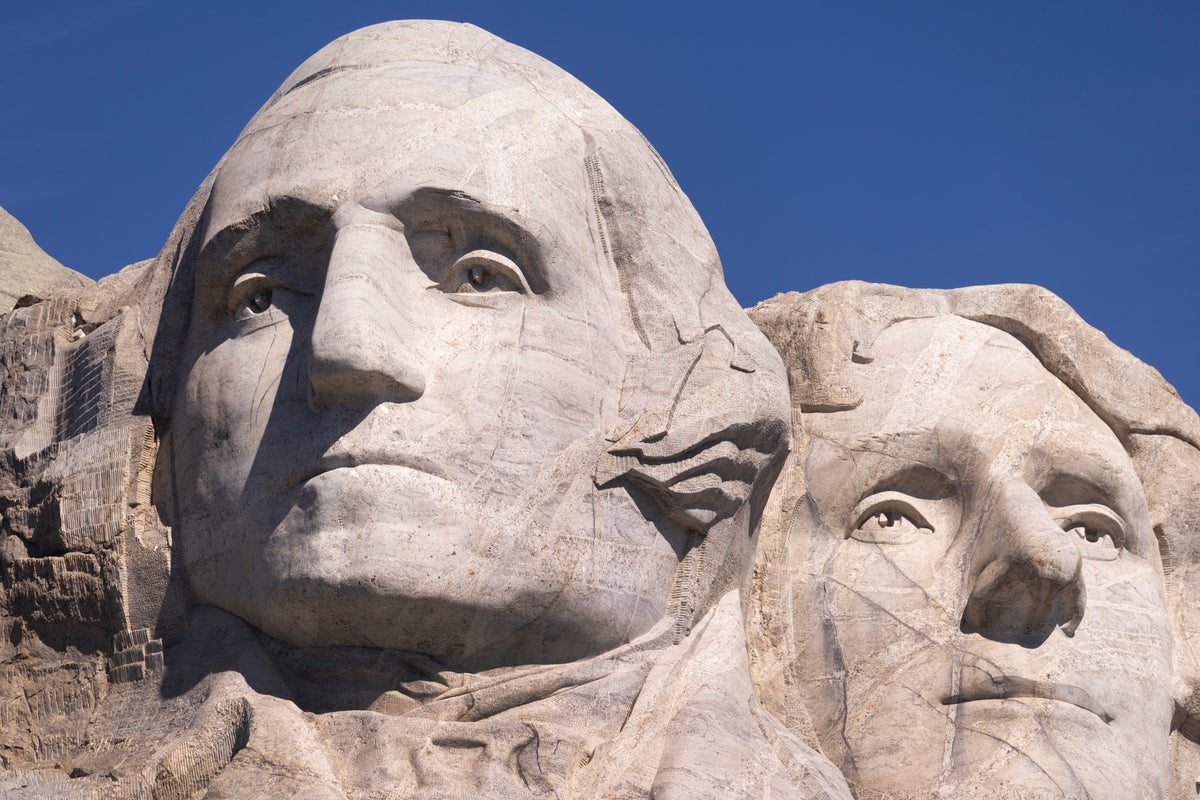
On Thursday, Nov. 26, 1789, George Washington woke early. Assisted by his enslaved valets – William “Billy” Lee and the young Christopher Sheels – he powdered his hair, put on his favorite black velvet suit, tied his white neckwear and donned his yellow gloves.
Finally ready, he set out to travel the short distance from the President’s House, at what used to be 3 Cherry Street, New York, and St. Paul’s Chapel, which still stands at 209 Broadway.
He had an important aim that day: to celebrate Thanksgiving. Washington had thought carefully about this Thanksgiving, the first of his presidency. On Oct. 3, 1789, following the recommendation of a joint committee of the Senate and House of Representatives, Washington had issued a proclamation. He urged the people of the United States to celebrate “a day of public thanksgiving and prayer.”
But Washington believed that particular Thanksgiving in 1789 was a crucial occasion. He would use it to call on the people he now led to hold their new country together in the face of forces that he knew could pull it apart.