



The Dawn of RGB LED: A Deep Dive into the Samsung R95H
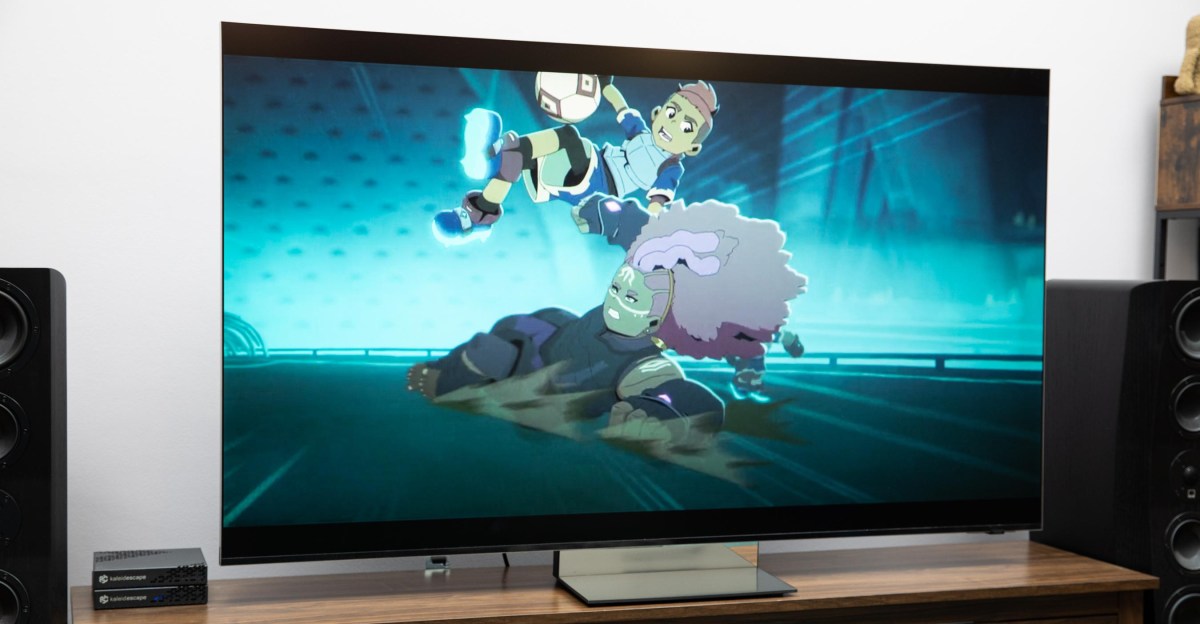
The landscape of home entertainment shifted significantly in 2026 as RGB LED television technology finally hit a price point accessible to the average consumer. While every new display innovation promises a revolution in brightness and color depth, the Samsung R95H is one of the first models to actually substantiate those claims. By leveraging a sophisticated backlight architecture, this display manages to excel in sun-drenched living rooms while offering a color palette that feels noticeably more vibrant than traditional LED counterparts.
Redefining Backlight Architecture
Traditional LED televisions typically rely on a uniform white or blue backlight filtered through layers to create color. In contrast, the R95H utilizes a distinct array of individual red, green, and blue LEDs. This fundamental shift allows for a much wider color gamut.
In practical terms, this means the R95H effortlessly covers the P3 color space-the industry standard for most modern cinema-while also making significant strides into the ultra-wide BT.2020 spectrum. To put this into perspective, imagine the difference between a standard watercolor set and a professional-grade oil palette; the R95H provides the extra hues necessary to make high-end HDR content pop with newfound realism.
Check Pricing and Availability for the Samsung R95H ($2500)
Performance Analysis: Strengths and Trade-offs
While the R95H is a pioneer in the RGB LED space, it is not without its quirks. Here is how it stacks up for the discerning viewer:
The Highlights:
* Superior Anti-Glare: The integrated matte screen is a standout feature, effectively diffusing harsh overhead lighting and window reflections that would typically wash out a standard glossy panel.
* Cinematic Fidelity: When switched to Filmmaker mode, the color accuracy is impressive, particularly when handling HDR metadata.
The Drawbacks:
* Visual Artifacts: Users may notice minor color crosstalk, particularly around high-contrast elements like white text on dark backgrounds.
* Calibration Nuances: Out of the box, the grayscale performance has a slight cyan tint, which may require manual adjustment for purists.
* Format Limitations: Notably, the set lacks support for Dolby Vision, which remains a significant omission for a premium-priced display.
Is RGB LED Ready for Prime Time?
Current market data suggests that while RGB LED technology is still in its early stages, the R95H serves as a compelling proof of concept. While SDR performance is slightly less refined than its HDR output, the sheer brightness and color volume provided by the RGB backlight system offer a glimpse into the future of display tech. For those who prioritize a bright-room viewing experience and want to be on the cutting edge of panel innovation, the R95H is a formidable, if slightly imperfect, contender.