


How Alcohol Affects Systemic Mastocytosis
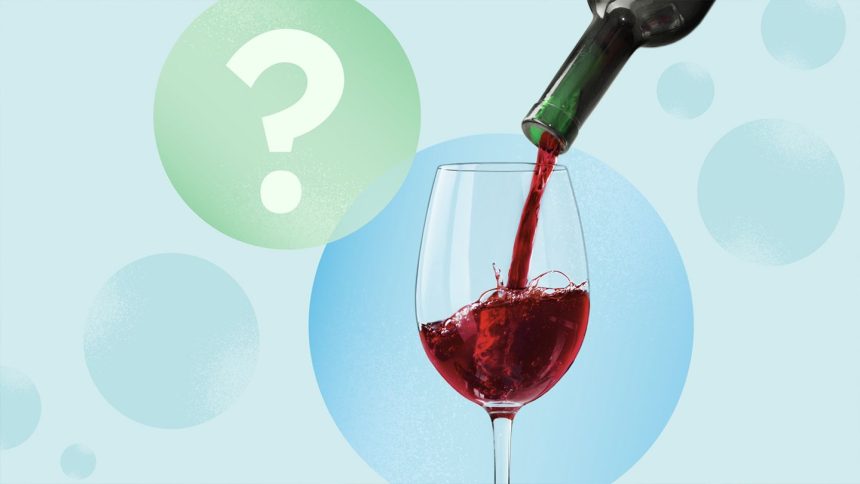
Mast cells are immune cells that defend the body against intruders like allergens. When something triggers the extra mast cells in systemic mastocytosis, symptoms such as hives, a racing heart, and stomach problems can come on suddenly, all at once, in what’s called a flare. Along with spicy foods, insect stings, stress, and sudden temperature changes, alcohol is one of the commonly reported triggers.
Some research suggests that alcohol is a trigger for about two-thirds of people with indolent SM (ISM), the most common type.
Alcohol and acetaldehyde, a substance the body makes as it breaks down alcohol, can potentially activate mast cells and cause them to release histamine, a chemical that drives many SM symptoms, says Onyinye I. Iweala, MD, PhD, an associate professor of medicine in allergy and immunology at the University of North Carolina in Chapel Hill.