



Optimizing Wide Dashboards: Android Auto’s Material 3 Evolution
The latest iteration of Android Auto, version 18.2.664604-release, marks a significant shift in how Google handles the increasingly common ultra-wide infotainment displays found in modern vehicles. By embracing the Material 3 design philosophy, Google is moving away from one-size-fits-all layouts to provide a more ergonomic experience for drivers with expansive, horizontal touchscreens.
From Top-Heavy to Side-Mounted Efficiency
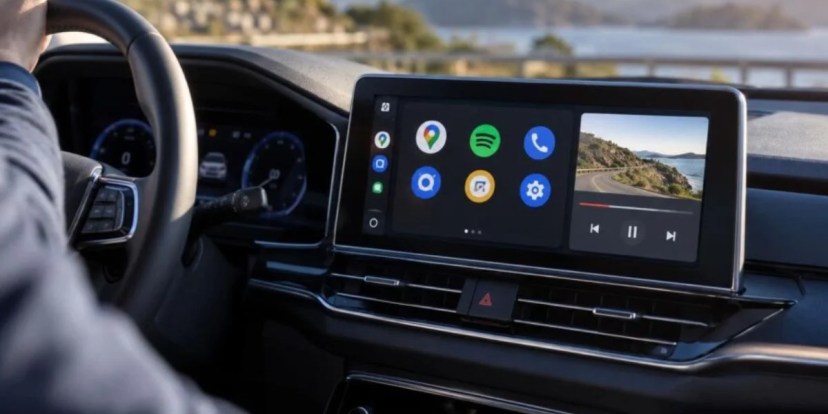
Historically, Android Auto struggled to utilize the full real estate of wide-aspect displays, often forcing drivers to interact with navigation bars positioned at the very top of the screen. This design choice frequently resulted in awkward reaching, particularly for those with larger vehicles. The newest update rectifies this by migrating the navigation interface to a vertical sidebar. This shift aligns with modern UI trends that prioritize thumb-friendly zones, making it significantly easier to toggle between apps without taking your eyes off the road for extended periods.
Eliminating Dead Space and Enhancing Media Controls
One of the most frustrating aspects of previous Android Auto versions was the prevalence of “dead zones”-empty, wasted space that sat between media elements and the screen’s physical edges. With this update, that wasted space has been reclaimed.
For instance, when using music streaming services like Spotify or YouTube Music, the interface no longer feels cramped or poorly scaled. Instead of burying essential navigation buttons in the far corners, the system now presents a streamlined column of options. Furthermore, the “Now Playing” experience has been overhauled; it now features a prominent, dedicated bar that showcases high-resolution album art alongside intuitive playback controls. This layout ensures that critical information is always within the driver’s peripheral vision, mirroring the efficiency of a high-end smartphone interface rather than a clunky, legacy automotive system.
Why This Matters for Modern Drivers
As automotive manufacturers continue to push for larger, panoramic displays-some stretching across the entire dashboard-software must keep pace. According to recent industry data, the average size of infotainment screens has grown by nearly 20% over the last three years, making responsive UI updates like this essential for safety and usability. By adopting a modular, side-anchored design, Google is ensuring that Android Auto remains a top-tier choice for drivers who prioritize both aesthetics and functional accessibility.