





The Paradox of Electric Behemoths: Why the EV Transition Stalled on Size
The initial promise of the electric vehicle (EV) transition extended far beyond merely swapping internal combustion engines for battery packs. It was envisioned as a fundamental reset for the automotive industry-a chance to optimize manufacturing efficiency, slash energy consumption, and democratize personal transportation through lower costs. However, the American automotive landscape has largely ignored this potential, instead doubling down on a legacy obsession: massive frames, oversized batteries, and premium-priced SUVs and trucks.
The Shift Away from Electric Heavyweights
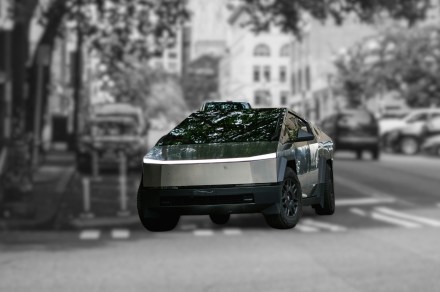
The industry’s fixation on “bigger is better” is currently facing a reality check. The Tesla Cybertruck serves as the most prominent case study of this strategy’s limitations. Recent reports indicate that Tesla plans to wind down production of the electric pickup at its Texas Gigafactory by mid-2027, a strategic pivot intended to prioritize the development of the Cybercab robotaxi.
This trend isn’t isolated to Tesla. Ford has similarly moved to discontinue the current iteration of the F-150 Lightning, an electric pickup that faced significant hurdles in capturing a broad consumer base. While Ford’s marketing materials still claim the Ford F-150 Lightning is Transforming, the reality is that the market for massive, high-cost electric trucks has proven far more niche than manufacturers initially anticipated.
Rethinking Efficiency and Safety
As noted in a recent WIRED analysis, the retreat of these oversized vehicles could actually serve as a catalyst for a healthier EV market. The “bigger is better” philosophy carries significant hidden costs that go beyond the sticker price.
Consider the physics of the situation: a vehicle weighing 7,000 pounds requires significantly more energy to move than a compact sedan. This necessitates massive battery packs, which in turn strain the global lithium and cobalt supply chains. Furthermore, the proliferation of these heavy, high-profile vehicles introduces serious concerns regarding pedestrian safety. According to data from the Insurance Institute for Highway Safety (IIHS), larger vehicles with higher front-end profiles are statistically more likely to cause fatal injuries in collisions with pedestrians compared to traditional passenger cars.
The Path Toward Sustainable Mobility
If the goal of the EV revolution is to reduce our collective carbon footprint, the industry must pivot toward efficiency. By focusing on smaller, lighter, and more aerodynamic designs, manufacturers can achieve the same range with smaller batteries, thereby reducing the environmental impact of mining and production.
The current market correction-moving away from electric behemoths-is a necessary step toward a more sustainable and accessible future. By prioritizing utility and efficiency over sheer size, automakers can finally deliver on the original promise of the electric vehicle era.