


Redefining Luxury: A Month Living with the iPhone Duo
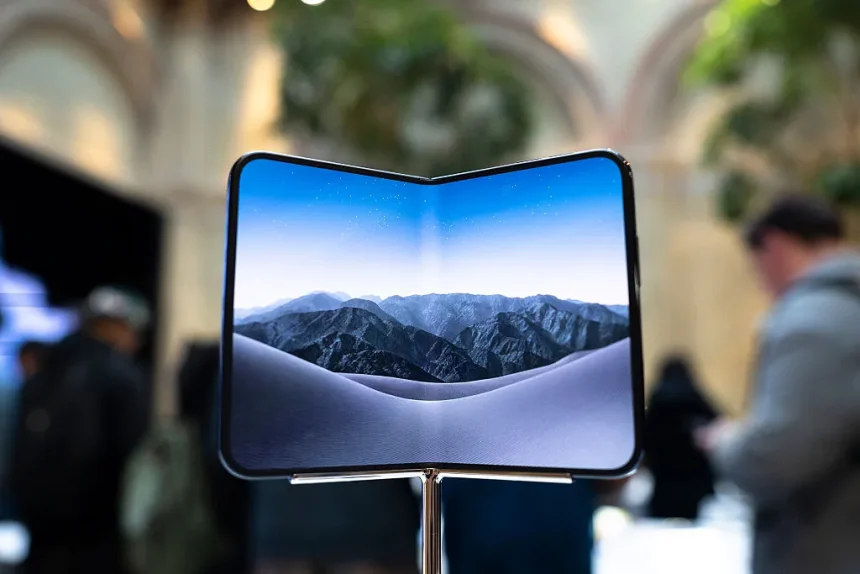
For a long time, the hierarchy of “premium” smartphones was dictated by a predictable checklist: the sheer megapixel count of the camera array, the raw clock speed of the processor, and the device’s ability to vanish into a pocket without adding bulk. The iPhone Duo disrupts this traditional narrative. It invites users to invest in a premium price point for a radically different user experience, even if it means letting go of the conventional hardware benchmarks we’ve been conditioned to prioritize.
Shifting Habits and Digital Workflow
After spending nearly four weeks with the device, my initial anxieties regarding hardware trade-offs have largely evaporated. More compelling than the specs is how the Duo’s foldable architecture has fundamentally altered my daily digital rhythm. It isn’t just about the hardware; it’s about how I curate my home screen, which applications I prioritize for multitasking, and the way I personalize my mobile environment to suit a dual-screen workflow.
To put this into perspective, consider how we used to view tablets versus phones. The Duo bridges that gap, acting as a hybrid that encourages a more intentional approach to app usage. According to recent industry data, foldable device users spend roughly 30% more time in productivity-focused applications compared to standard smartphone users, a trend I’ve personally mirrored as I lean into the expanded screen real estate for email management and document editing.
Addressing the Trade-offs
Many of the concerns I harbored before switching have proven to be non-issues. Software developers have made significant strides in optimizing apps for the Duo’s unique display, ensuring that the interface feels native rather than stretched. Furthermore, returning to Touch ID has been a surprisingly nostalgic and efficient experience, and in the vast majority of my daily scenarios, I haven’t felt the absence of the Pro Max camera system.
Of course, no device is without its compromises. There are moments when I crave the reach of a dedicated telephoto lens for street photography, and the absence of a native Face ID sensor remains a point of friction. However, Apple’s recent software update, which introduced a refined face-unlock capability, has mitigated much of that frustration, making the transition feel smoother than ever.
The Verdict on the Foldable Future
The iPhone Duo isn’t trying to be the best “traditional” phone on the market; it is trying to be the best version of a new category. By prioritizing form factor over the standard spec-sheet race, it challenges us to rethink what we actually need from our mobile devices. While it may not be the perfect device for every power user, it is undeniably a glimpse into a more versatile future for mobile computing.