



### Xiaomi’s Q3 2026 Financials: Why the Red Ink is Actually a Strategic Win
At first glance, Xiaomi’s financial report for the third quarter of 2026 might look like a cautionary tale for the electric vehicle industry. With the company’s New Energy Vehicle (NEV) revenue dipping by 19.9% year-over-year to RMB 22.7 billion, and the broader segment-encompassing AI and other emerging tech-reporting an operating loss of RMB 3.4 billion, skeptics are quick to sound the alarm.
However, interpreting these figures as a sign of failure is a fundamental misunderstanding of how tech-driven automotive disruption works.
#### Beyond the Balance Sheet: The Scale of Ambition
While traditional automotive giants in Detroit and Germany might view these losses as a validation of their own cautious strategies, they are missing the bigger picture. Xiaomi is not operating on the slow-burn timeline of legacy manufacturers.
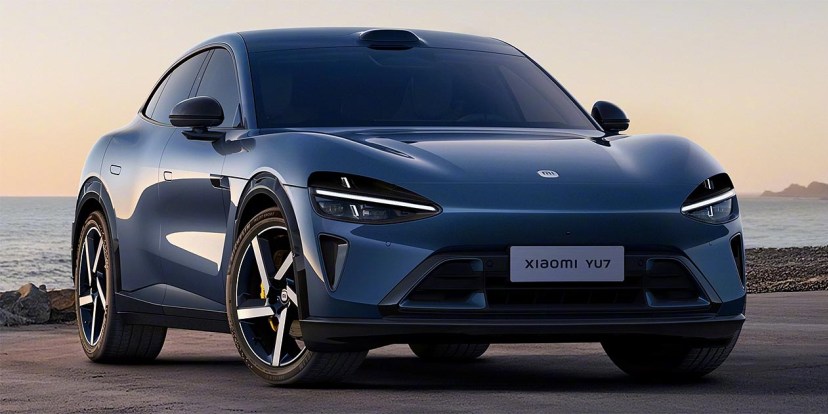
To put this into perspective, consider that a traditional automaker often spends five years just to execute a minor mid-cycle refresh-swapping out a bumper design or tweaking an infotainment interface. In that same five-year window, Xiaomi has successfully transitioned from a consumer electronics powerhouse to a high-volume vehicle manufacturer.
#### The Power of Rapid Execution
The most telling metric isn’t the quarterly loss, but the sheer volume of production. Delivering 100,975 vehicles in a single quarter is a staggering achievement for a company that is essentially a newcomer to the automotive assembly line.
In the world of manufacturing, the “J-curve” of profitability is well-documented. Companies like Tesla spent years burning through capital to achieve the economies of scale necessary to turn a profit. Xiaomi is currently in the thick of this capital-intensive phase, prioritizing market penetration and technological integration over immediate bottom-line gains. By investing heavily in AI-driven software and hardware synergy, they are building a foundation that legacy brands-burdened by internal combustion engine debt and complex supply chains-struggle to replicate.
#### Why the “Loss” is a Strategic Investment
The RMB 3.4 billion loss is better categorized as a research and development investment rather than a financial failure. As the automotive industry shifts toward software-defined vehicles, the ability to iterate quickly is the ultimate competitive advantage. Xiaomi is effectively subsidizing its own growth to capture market share, ensuring that when the EV market matures, they are the ones holding the keys to the ecosystem.
For those watching the industry, the takeaway is clear: Xiaomi isn’t just building cars; they are building a tech-integrated mobility platform. While the financials show a temporary dip, the operational velocity suggests that the “Chinese EV threat” is only just beginning to accelerate.