





Take Control of Your Friday: Spotify Overhauls Release Radar with Custom Filtering
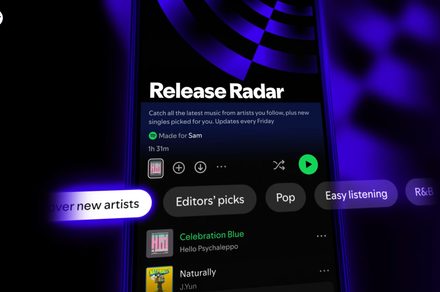
For years, Spotify’s Release Radar has been the go-to destination for music discovery, yet it has often felt like a gamble. Sometimes the algorithm hits the mark, and other times, it serves up tracks that feel entirely disconnected from your actual taste. Recognizing this frustration, Spotify is finally handing the reins over to the listener. Starting today, a global rollout for both desktop and mobile users introduces interactive session controls, allowing you to curate your weekly new music experience rather than passively accepting whatever the algorithm dictates.
Tailoring Your Weekly Discovery
The days of blindly hitting “play” on your Release Radar are over. Upon opening your playlist, you will now notice a new interface featuring session controls positioned at the top. These tools allow you to refine your listening session by selecting up to five distinct filters, ensuring the music you hear aligns with your current mood or curiosity level.
The new filtering options include:
* Discover New Artists: A dedicated mode for those looking to expand their horizons by focusing exclusively on musicians you haven’t previously streamed.
* Genre-Specific Filtering: Spotify now generates three personalized genre categories based on your unique listening habits, allowing you to drill down into specific styles like indie rock, lo-fi beats, or electronic music.
* Editors’ Picks: For listeners who prefer a human touch, this option hands the curation duties over to Spotify’s editorial team, providing a professionally selected mix of new releases.
Beyond these user-facing controls, Spotify has quietly upgraded its recommendation engine. The company claims that the underlying logic has been refined to ensure that the tracks appearing in your feed are more
The Shifting Landscape of Mobile Tech: AI Exclusivity, Data Privacy, and Rising Costs
The smartphone industry is currently undergoing a period of rapid transformation, marked by aggressive AI integration, evolving cloud storage policies, and a persistent upward trend in hardware pricing. As manufacturers push the boundaries of what mobile devices can achieve, consumers are finding themselves navigating a complex web of hardware obsolescence, data management, and premium price tags.
The AI Divide: When “New” Isn’t Enough
For years, the promise of a smartphone purchase was anchored in the expectation of long-term software support-regular security patches and a seat at the table for future OS updates. However, the current AI arms race has fundamentally altered this social contract.
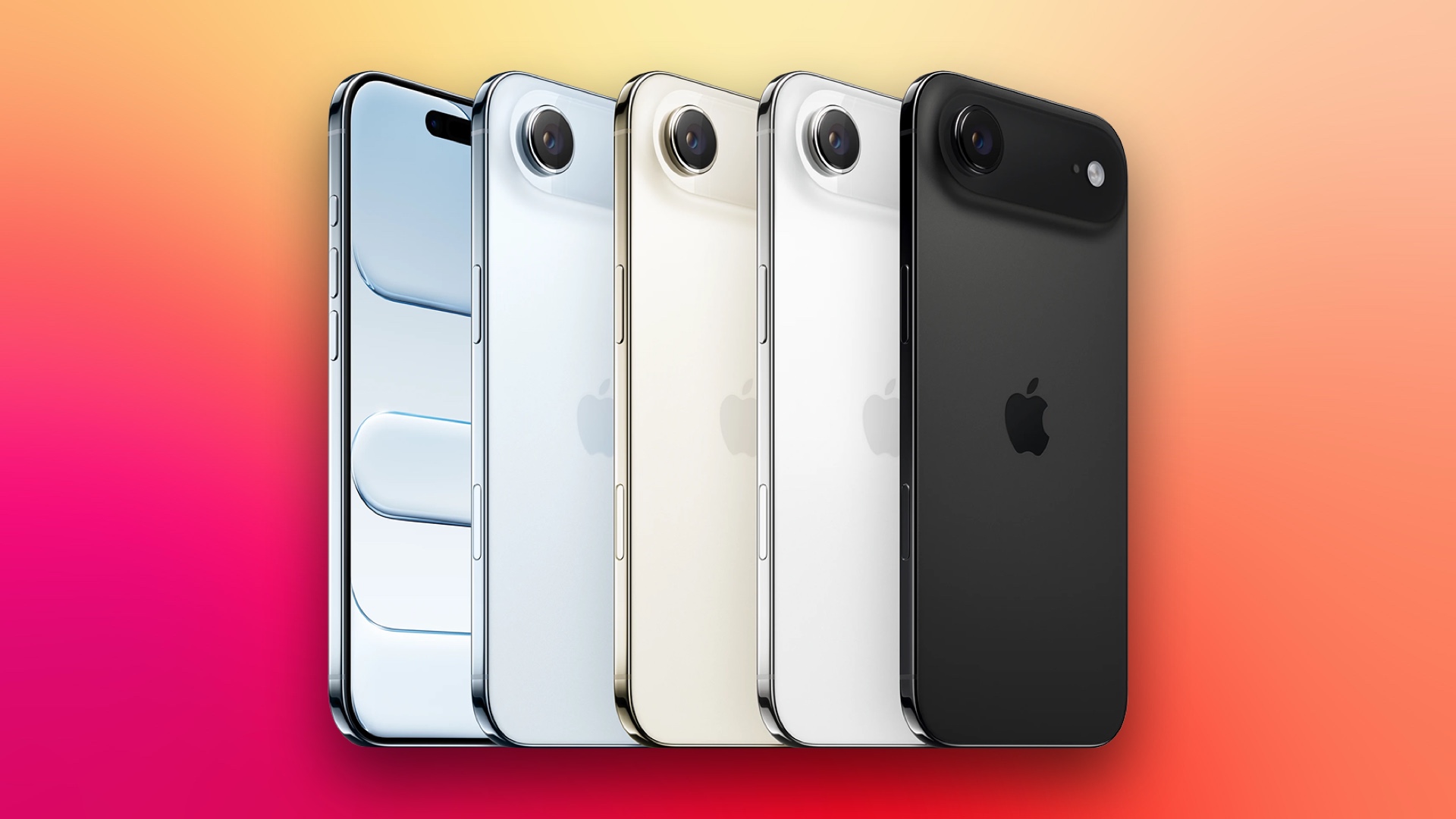
Apple’s recent strategic pivot serves as a prime example. Even the standard iPhone 17, which carries a premium $799 price tag and remains a core component of Apple’s current retail catalog, is being sidelined from the company’s most advanced on-device AI capabilities. This creates a jarring reality for consumers: owning the latest hardware no longer guarantees access to the latest software innovations. It appears that in the era of generative AI, “new” is a relative term, and many users are discovering that their recent investments are already being treated as legacy hardware.
Android’s Dual Approach to Data Management
While Apple focuses on hardware-locked AI, Google is refining how Android users interact with their personal data. The company is currently rolling out a two-pronged strategy for Android backup that balances expanded functionality with increased user autonomy.
Google is broadening the scope of its cloud services by allowing users to sync locally stored documents directly to Google Drive. Simultaneously, the company is introducing granular privacy controls that were previously unavailable. Users now have the power to toggle off specific backup categories-including call logs, SMS history, and system settings-rather than accepting an “all-or-nothing” cloud backup model. By integrating these switches alongside existing per-app controls within Google Play services, Google is providing a more transparent, customizable experience for those wary of excessive data harvesting.
The Cost of Innovation: Foldable Price Hikes
As the foldable smartphone market matures, the financial barrier to entry continues to climb. With Samsung’s upcoming Galaxy Unpacked event scheduled for July 22, anticipation is high for the next generation of foldable devices. However, the excitement is tempered by reports of significant price adjustments.


While initial rumors focused on European markets facing higher costs, recent leaks indicate that US consumers will likely face similar financial pressure. The rumored Galaxy Z Fold 8 Ultra is expected to debut at $2,099, representing a $100 increase over the previous iteration. This trend suggests that as foldable technology becomes more sophisticated, manufacturers are increasingly comfortable passing the rising costs of R&D and premium components directly to the consumer, potentially limiting the mass-market adoption of these innovative form factors.
As the mobile landscape continues to evolve, these developments highlight a growing tension between the desire for cutting-edge features and the practical realities of hardware longevity, data privacy, and affordability.