



Legal Setback for Major Carriers: The “Windowless Window Seat” Controversy
A federal judge in San Francisco has dealt a significant blow to United Airlines, ruling that a class-action lawsuit regarding “windowless window seats” may proceed. This decision marks a pivotal moment in consumer rights within the aviation industry, challenging how major carriers market their premium seating options.
## The Core of the Dispute
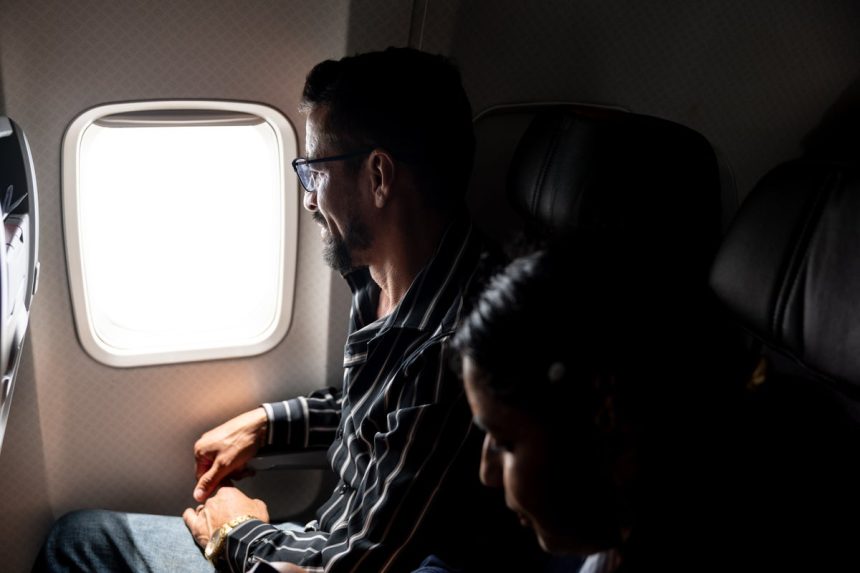
The litigation, which also targets Delta Air Lines, centers on the allegation that airlines have been misleading travelers by selling seats labeled as “window seats” that are, in reality, positioned against solid cabin walls. Passengers argue that they paid a premium for these seats with the reasonable expectation of having a view, only to find themselves staring at a blank panel.
The controversy primarily involves specific aircraft models, including the Boeing 737, Boeing 757, and Airbus A321. Plaintiffs contend that the airlines failed to provide adequate disclosure during the booking process, effectively charging extra for a feature that does not exist.
## Judicial Rejection of Airline Defense
United Airlines attempted to have the case dismissed, arguing that the term “window seat” refers strictly to the physical location of the seat-specifically, its proximity to the fuselage wall-rather than a guarantee of an exterior view.
However, U.S. District Judge James Donato rejected this interpretation. The court found that the airline’s own digital infrastructure-including reservation screens, boarding passes, and ticketing terms-explicitly marketed these spots as “window seats.” Judge Donato emphasized that federal law does not shield the airline from accountability when their own marketing materials create a clear expectation of a window for the consumer.
## Industry Response and Transparency
While Delta Air Lines has declined to comment on the ongoing litigation, United Airlines issued a statement noting that they have updated their digital platforms. “As part of our regular review of united.com and the United App to enhance the customer experience, in 2025 we added more detail to our seat selection process, so customers can have more information about what to expect when they choose a seat,” the airline stated.
This move toward greater transparency comes as the aviation industry faces increasing scrutiny regarding “drip pricing” and hidden fees. According to recent data from the U.S. Department of Transportation, consumer complaints regarding airline transparency have reached record highs, with passengers increasingly demanding clarity on what their ancillary fees actually purchase.
## The Consumer Perspective
Legal representatives for the plaintiffs have characterized the airlines’ defense as a semantic game. Attorney Carter Greenbaum previously noted that the airlines’ stance is “contrary to the reasonable expectations of countless passengers who unknowingly paid extra money for windowless window seats.”
For the average traveler, this case highlights a broader issue: the gap between marketing terminology and the actual passenger experience. Much like booking a “sea view” hotel room only to find it faces a brick wall, travelers are increasingly unwilling to accept vague descriptions when they pay for
The Legal Battle Over “Windowless” Airline Seats
A recurring point of contention in aviation litigation involves the discrepancy between passenger expectations and the physical reality of aircraft cabin configurations. Specifically, travelers have increasingly challenged airlines over the marketing of “window seats” that, in practice, lack an actual view of the exterior. While passengers often pay a premium or select specific rows under the assumption of a scenic vantage point, courts are now grappling with whether a seat assignment constitutes a binding contractual guarantee of a window.

Defining the Scope of Passenger Expectations
The core of these legal disputes rests on the interpretation of airline booking interfaces. Plaintiffs argue that when a seat map designates a position as a “window seat,” it implies a functional aperture. However, defense counsel frequently maintains that seat maps are merely schematic representations of cabin layout rather than architectural blueprints. As one presiding judge noted, the mere assignment of a specific seat number cannot be reasonably interpreted as a legally enforceable promise that the seat will provide an unobstructed exterior view.
The Motivation Behind the Litigation
These class-action lawsuits represent a significant financial risk for major carriers, with claims seeking millions of dollars in damages. The litigation is brought on behalf of a massive cohort-exceeding one million passengers-who feel misled by digital booking tools. The motivations for seeking a window seat are diverse and often go beyond simple sightseeing:
- Mitigating Travel Anxiety: For many, the ability to see the horizon provides a necessary sense of orientation and control, which helps alleviate claustrophobia and general flight-related stress.
- Managing Motion Sickness: Vestibular experts often recommend that passengers prone to airsickness focus on a stable external reference point, such as the horizon, to synchronize their visual and inner-ear signals.
- Psychological Comfort: Beyond physical health, the psychological benefit of natural light and the perception of increased personal space are significant factors in the premium passengers are willing to pay for these seats.
Industry Trends and Future Implications
The rise of these lawsuits coincides with a broader trend in the aviation industry: the “densification” of aircraft cabins. To maximize revenue, airlines are increasingly squeezing more rows into the same fuselage, which often results in seats being misaligned with the actual window panels. According to recent industry data, some modern narrow-body configurations now feature rows where the “window” is either a solid wall or a blank partition, leading to a growing number of “blind” seats.
As this litigation progresses, it may force airlines to adopt more transparent booking systems. Potential solutions include the implementation of “view-accurate” seat maps that utilize 3D rendering to show exactly what a passenger will see from their chosen row. Until such technology becomes the industry standard, travelers are advised to consult third-party seat-review websites, which provide crowdsourced photos and cabin layouts to help avoid the disappointment of a windowless “window” seat.