




San Francisco Mayor Demands Stricter Oversight for Autonomous Fleets Following Gridlock Chaos
San Francisco Mayor Daniel Lurie, a vocal proponent of positioning the city as a premier hub for technological innovation, is signaling a shift in his administration’s stance. While the mayor has long championed the idea of San Francisco serving as a living laboratory for cutting-edge advancements, recent failures in autonomous vehicle (AV) performance have forced him to draw a firm line in the sand.
When Innovation Becomes an Obstacle
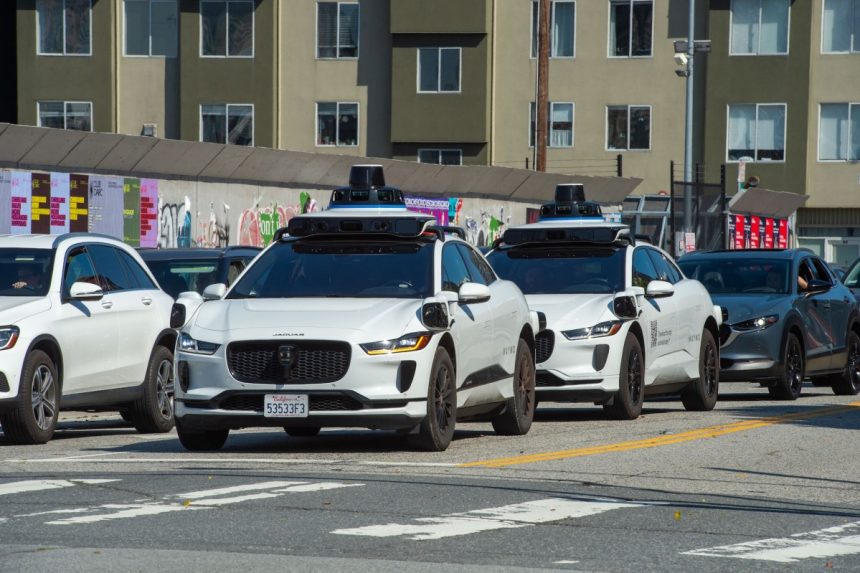
The catalyst for this policy pivot was a series of logistical nightmares involving Waymo robotaxis. During the July 4th holiday, a massive influx of 100,000 spectators gathered for the Golden Gate Bridge fireworks display. Instead of navigating the congestion, a fleet of autonomous vehicles became immobilized, effectively turning key city arteries into parking lots. These vehicles, which reportedly ran out of power or encountered software-related stalls, trapped municipal transit shuttles and left thousands of commuters stranded for hours.
This incident was not an isolated anomaly. According to recent reports, the city has faced similar disruptions in the past, including a widespread power failure last December that saw dozens of driverless cars abandoned in traffic, further exacerbating urban gridlock. For context, as AV fleets continue to scale, the frequency of these “edge case” failures-where vehicles struggle to adapt to non-standard traffic patterns-has become a growing concern for municipal planners.
The Call for Regulatory Reform
In a formal communication addressed to the California Department of Transportation, Mayor Lurie argued that the existing oversight mechanisms are insufficient for the current reality of autonomous transit. He emphasized that the state’s current regulatory framework is ill-equipped to manage how driverless fleets behave during large-scale public events or unexpected infrastructure failures.
Lurie’s argument centers on a critical distinction: the difference between operating safely in a controlled, routine environment and maintaining functionality during high-stress, high-density scenarios. While the industry has focused heavily on proving that AVs can navigate standard city streets, the mayor contends that the true test of these systems lies in their resilience during citywide emergencies.
Redefining the Future of Urban Mobility
The mayor’s push for tougher regulations suggests that the “honeymoon phase” for autonomous testing in San Francisco may be coming to an end. As the city balances its identity as a tech pioneer with the practical needs of its residents, the demand for accountability is rising. The goal is no longer just to foster innovation, but to ensure that the integration of AI-driven transport does not come at the expense of public mobility and safety.