



Reflecting on Resilience: M. Night Shyamalan’s Journey Through Hollywood’s Highs and Lows
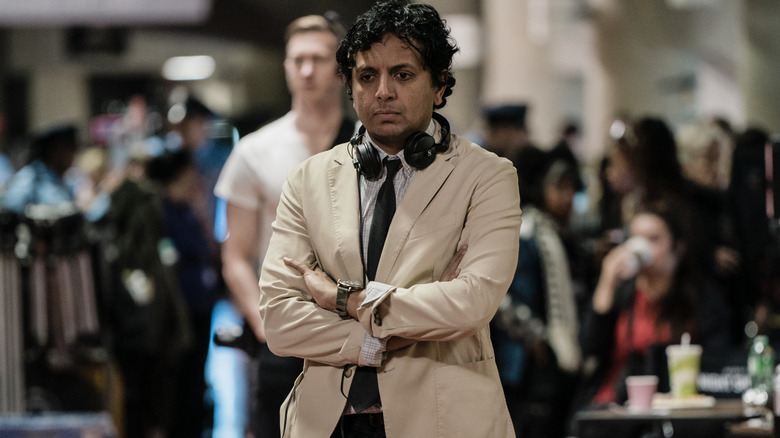
Sabrina Lantos/Warner Bros.
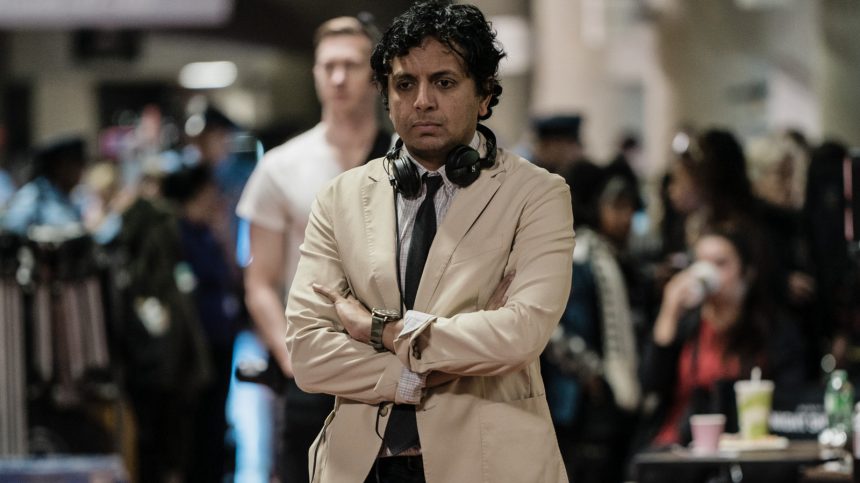
Few directors in modern cinema have navigated a career trajectory as volatile as M. Night Shyamalan. Recently, the filmmaker opened up about the grueling periods of his professional life, candidly stating: “It was some dark times. I’m gonna become this cautionary tale.” This sentiment captures the intense pressure of being a public figure whose early triumphs set an almost impossible standard for future work.
The Burden of Early Perfection
Shyamalan’s entry into the mainstream consciousness was nothing short of explosive. With the 1999 release of The Sixth Sense, he became a household name overnight. This massive success created a unique challenge: the public often mistakenly views that film as his cinematic birth, conveniently forgetting his 1992 indie debut, Praying with Anger.
Following his initial breakthrough, Shyamalan maintained a hot streak that few directors could replicate, delivering hits like Unbreakable, Signs, and The Village. However, in the fickle world of Hollywood, such rapid ascent often invites a harsh backlash. When his subsequent projects failed to hit the same cultural zenith, the critical reception shifted from adoration to skepticism, leading to the “dark times” he now reflects upon.
Turning Setbacks into a Comeback
In the film industry, a “cautionary tale” usually refers to someone who loses their way after a taste of fame. Yet, Shyamalan has managed to subvert this narrative. Rather than fading into obscurity, he utilized those challenging years to recalibrate his creative process. By leaning into independent financing and maintaining total creative control, he successfully rebuilt his brand, proving that longevity in Hollywood is less about maintaining a constant peak and more about the ability to endure the valleys.
Today, with a string of recent successes and a renewed focus on his signature suspense-thriller style, Shyamalan stands as a testament to artistic persistence. His ability to survive the scrutiny of the early 2000s serves as a blueprint for creators who find themselves under the microscope of public opinion.