





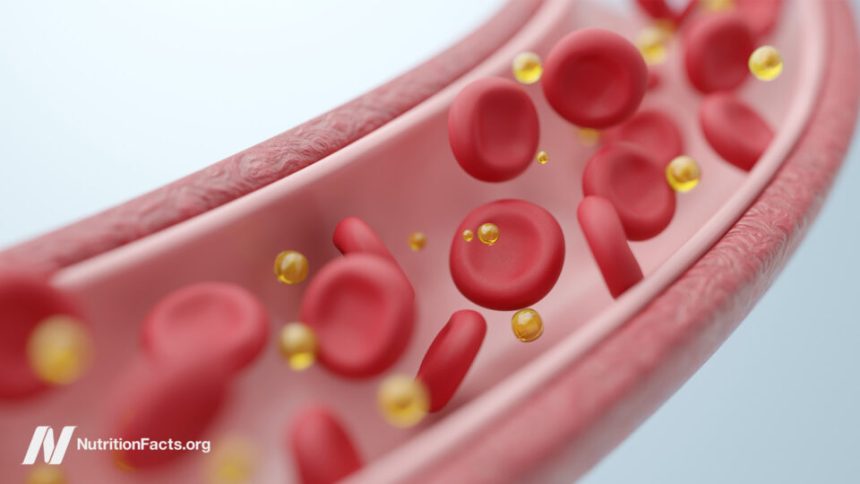
### The Immediate Impact of Dietary Choices on Vascular Health
The adage “you are only as young as your arteries” holds significant weight in modern medicine. As we navigate the aging process, the health of our vascular system serves as a primary indicator of our overall longevity. When we consistently engage in sedentary habits and consume nutrient-poor diets, we accelerate biological aging. This lifestyle often triggers a cascade of cellular dysfunction, specifically damaging our mitochondria-the microscopic power plants within our cells. This damage leads to a surge in oxidative stress, free radical production, and systemic inflammation, all of which are precursors to the arterial stiffening and dysfunction that ultimately culminate in cardiovascular disease.
### The “Post-Meal” Vascular Crisis
Research has long suggested that our blood vessels react almost instantly to the food we consume. A pivotal study highlighted that within just a few hours of eating a high-fat meal, arterial function can be significantly impaired. In contrast, meals lower in fat do not trigger this same immediate physiological decline. This phenomenon is explored in detail in the video Saturated Fat Causes Artery and Lung Inflammation, which examines how specific dietary fats can induce both vascular and pulmonary distress.
### Decoding the Culprit: Fat vs. Carbohydrates
To understand why certain meals are more damaging than others, researchers conducted controlled experiments using common fast-food items. In one notable trial, participants consumed Sausage and Egg McMuffins. The results showed a marked reduction in the ability of the arteries to dilate properly.
A common question arises: Was the damage caused by the fat, or was it the refined carbohydrates in the biscuit? To isolate the variable, researchers compared the high-fat meal against a high-sugar, low-fat alternative-specifically, a bowl of sugary cereal. Interestingly, the high-sugar meal did not produce the same immediate impairment to arterial function as the high-fat meal. This suggests that the saturated fat content, rather than the carbohydrate load, is the primary driver of the acute vascular inflammation observed shortly after eating.
### Protecting Your Arteries for the Long Term
Current clinical data reinforces that the cumulative effect of these “post-meal spikes” in inflammation can lead to chronic endothelial dysfunction. By choosing whole, plant-based foods over processed, high-fat options, we can mitigate these inflammatory responses and support the structural integrity of our blood vessels. Prioritizing heart-healthy fats and fiber-rich ingredients is not just about long-term weight management; it is a vital strategy for maintaining the elasticity and health of your arteries on a daily basis.