




The Blood Donation Process: A Step-by-Step Guide
Stepping up to donate blood is a life-saving act, but for first-timers, the clinical process can feel a bit mysterious. Understanding what happens from the moment you walk through the doors until the needle is removed can help ease any pre-donation jitters. While the experience is straightforward, it is governed by strict safety protocols designed to protect both the donor and the recipient.
Initial Screening and Health Assessment
Before any blood is collected, staff must verify your eligibility. This phase is critical for maintaining a safe blood supply. You will be asked to present a government-issued photo ID to confirm your identity. Following this, you will undergo a private health history interview where you’ll answer questions regarding your recent travel, medications, and overall wellness.
To ensure your body is ready for the donation, technicians will perform a “mini-physical.” This includes checking your vital signs: your temperature, pulse, and blood pressure. Finally, a small finger prick is used to test your hemoglobin levels, ensuring you have enough iron to donate safely without becoming anemic.
The Donation Experience
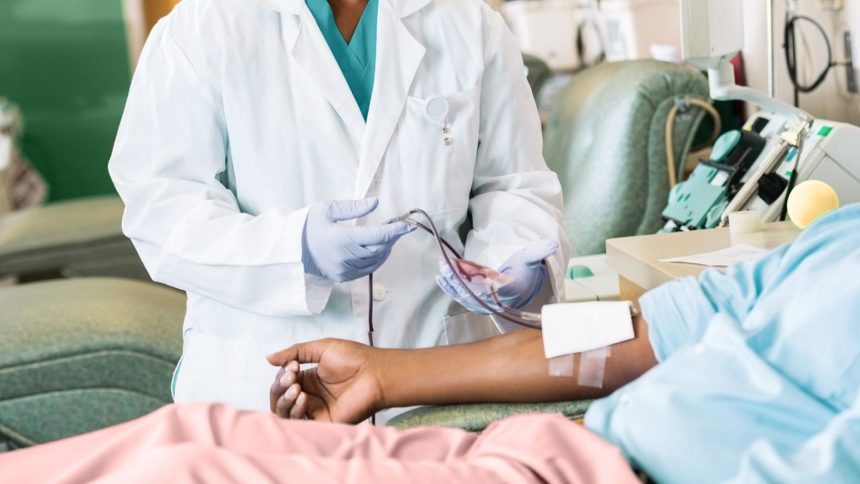
Once you are cleared, you will be guided to a reclining chair or medical bed. A phlebotomist will select a suitable vein in your arm, sanitize the site thoroughly, and insert a brand-new, sterile needle. The actual collection time is surprisingly brief, though the total appointment time is longer due to the intake process.
Understanding Donation Types
Not all donations are identical. Depending on the current needs of local hospitals and your specific blood type, you may be asked to participate in one of the following procedures:
Standard Whole Blood Donation
This is the most common and versatile method. A single pint of whole blood is collected, which can later be transfused as-is or separated into its core components-red cells, plasma, and platelets-to treat different patients. The actual draw typically takes between 8 and 10 minutes.
Power Reds (Automated Red Cell Collection)
This specialized process uses an automated machine to collect two units of red blood cells while simultaneously returning your plasma, platelets, and a saline solution back into your bloodstream. Because red blood cells are the most frequently requested component for trauma and surgery patients, this method is highly efficient for maximizing the impact of your donation.
According to the American Red Cross, a single whole blood donation can save up to three lives, highlighting why consistent donor participation is vital for maintaining a stable national blood supply.