



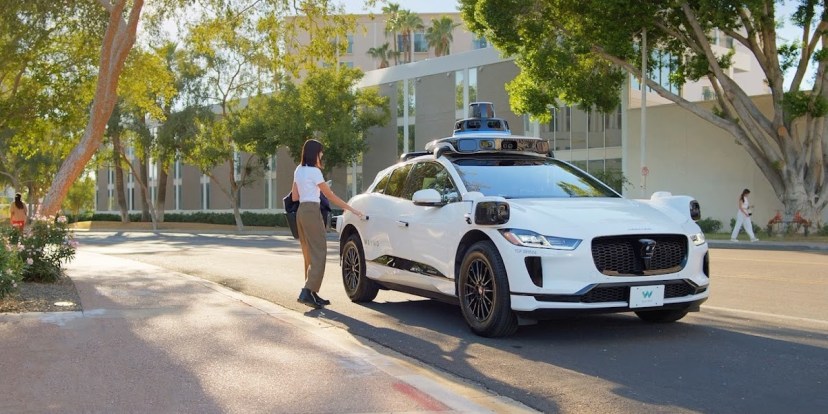
The Autonomous Shift: Dallas Embraces the Robotaxi Era
Witnessing a vehicle autonomously navigate to a curb, signal its intent, and merge seamlessly into bustling traffic remains a surreal experience. While it lacks the dramatic flair of a futuristic blockbuster, the reality is arguably more impressive: a highly disciplined, hyper-cautious machine executing a flawless morning commute. This technology has officially graduated from the realm of niche engineering tests to a public utility in Dallas, where Waymo now permits any smartphone user to summon a fully autonomous ride across the city.
The Evolution of Driverless Deployment
The rollout of autonomous ride-hailing services has followed a distinct, methodical blueprint. It typically begins with high-definition mapping of the urban landscape, followed by restricted internal testing phases involving company staff, and eventually, a transition to a waitlisted public beta. This cautious approach is designed to build trust and refine safety protocols before scaling to the general population.
Why Dallas is a Strategic Hub
Dallas serves as a critical testing ground for this technology due to its complex grid, high-speed highway interchanges, and unpredictable weather patterns. According to recent industry data, the autonomous vehicle market is projected to reach a valuation of over $60 billion by 2030, with major metropolitan areas like Dallas acting as the primary catalysts for this growth. Unlike the rigid, predictable environment of a test track, the city’s streets provide the “real-world” variables necessary to train AI models to handle human unpredictability, such as aggressive lane changes or sudden pedestrian crossings.
A Global Perspective on Autonomous Transit
While Dallas experiences the convenience of Waymo, other global hubs are taking different paths toward automation. For instance, London is currently integrating autonomous technology through partnerships between established ride-sharing giants and specialized AI firms like Wayve. This highlights a “two-speed” reality in the global transport sector: some cities are prioritizing full-scale, driverless robotaxi fleets, while others are focusing on driver-assist technologies and collaborative software integration.


![One Night Only Director Knows What Everyone Was Saying About The Movie’s Creepy World [Exclusive]](https://www.mixtv1.com/wp-content/uploads/2026/08/19659-attachment.jpg)