


## The Era of Unregulated AI Audio Is Closing: What Producers Need to Know
For the past year, the music production community has been locked in a heated debate regarding the rise of generative AI. Whether you’re scrolling through production forums or discussing the latest gear in the studio, the sentiment remains split. On one hand, tools like Suno have acted as powerful creative accelerators, allowing artists to rapidly prototype complex synth textures, experiment with intricate chord voicings, or generate unique vocal samples. On the other hand, the industry has faced a deluge of low-effort, synthetic noise, alongside a surge in bot-driven royalty fraud and aggressive litigation from major record labels.
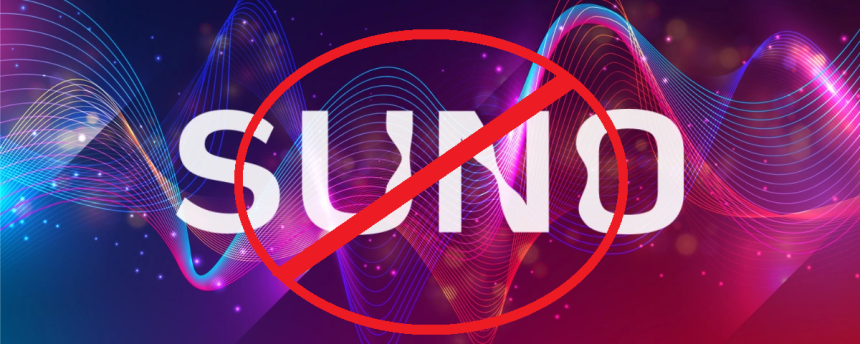
The “Wild West” phase of AI music generation is rapidly drawing to a close. In a significant pivot toward industry compliance, Suno has unveiled a suite of restrictive measures, including the implementation of imperceptible audio watermarking, advanced acoustic fingerprinting, and strict limitations on user downloads.
### Why These Changes Impact the Electronic Music Landscape
The introduction of tamper-resistant, invisible watermarks embedded directly into the audio waveform marks a turning point for digital music distribution. This technology allows major streaming platforms-such as Spotify, Apple Music, and Beatport-to instantly identify and categorize AI-generated content.
For EDM producers and independent artists, these updates serve as a necessary filter for the industry. By enforcing strict caps on bulk exports, Suno is effectively dismantling the infrastructure used by “bad actors” who previously utilized automated bot farms to flood digital service providers (DSPs) with thousands of low-quality tracks. These automated schemes were designed to siphon off royalty pools, diluting the earnings of legitimate creators. By curbing this behavior, these new protocols aim to restore a level of integrity to the streaming ecosystem, ensuring that human-crafted music isn’t buried under a mountain of synthetic spam.
As the legal landscape continues to evolve, these technical safeguards represent a proactive attempt to align AI development with copyright standards. For the working producer, this means the tools you use for brainstorming and prototyping are becoming more accountable, signaling a shift toward a more sustainable and regulated future for AI-assisted music production.