


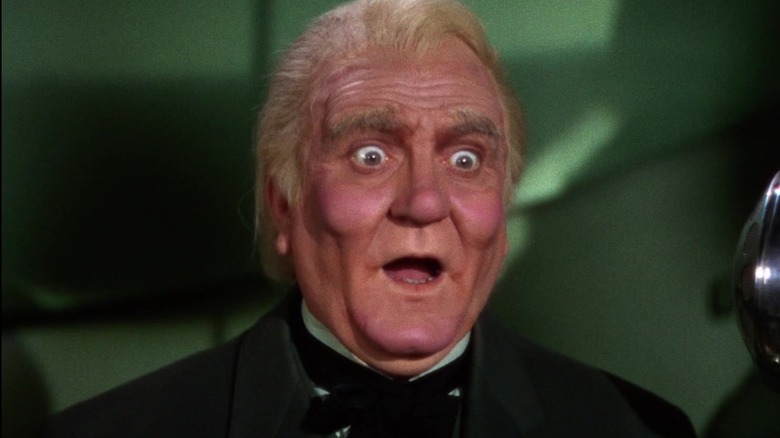
Metro-Goldwyn-Mayer
A Cinematic Legacy: Reflecting on 87 Years of The Wizard of Oz
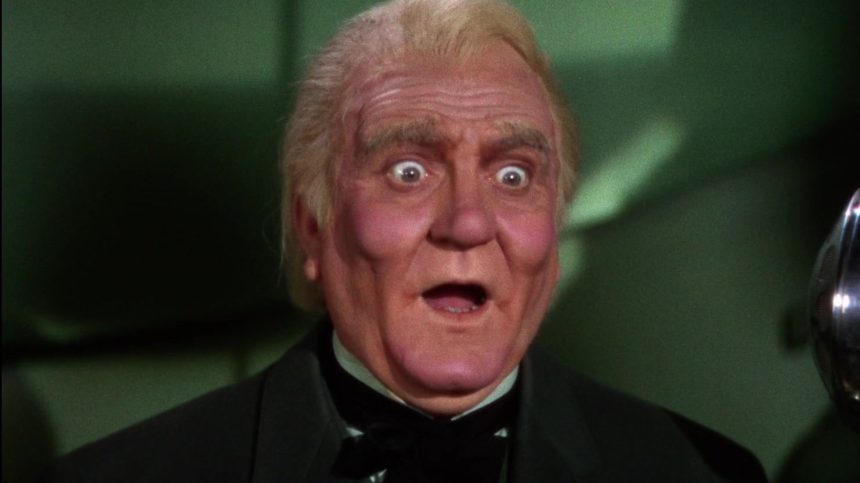
It has been 87 years since “The Wizard of Oz” first graced cinema screens on August 25, 1939. While it is now widely regarded as a cornerstone of global pop culture, its initial theatrical run was a financial struggle, barely recouping its production costs. Today, however, it stands as perhaps the most recognizable motion picture in history. Its influence is so pervasive that its narrative beats, iconic visual language, and memorable lines have become the foundational DNA for modern storytelling.
The Blueprint for Modern Fantasy
The impact of the film extends far beyond direct sequels or other movies set in Oz like the “Wicked” films. The “Wizard of Oz” archetype-a protagonist plucked from their mundane reality and thrust into a fantastical landscape, only to find companionship among colorful misfits while embarking on a quest-has become a universal trope. From the portal fantasies of C.S. Lewis to modern animated adventures, the structure of Dorothy’s journey remains the gold standard.
Mythologist Joseph Campbell would likely point to this film as a quintessential manifestation of the “Hero’s Journey.” It serves as a perfect case study for how a narrative can resonate across generations. In fact, given its constant presence on television, home media, and streaming platforms over the last eight decades, it is statistically probable that “The Wizard of Oz” holds the record for the most-viewed film in human history. Its ability to remain relevant in an era of high-octane CGI blockbusters is a testament to its enduring emotional core and technical innovation.