




Redefining Efficiency: Volvo’s Leap in Plug-in Hybrid Range
For years, the plug-in hybrid electric vehicle (PHEV) segment has been defined by a modest electric-only range, typically hovering between 30 and 50 miles. While functional for short errands, this limitation has often left drivers tethered to gasoline engines sooner than they would prefer. Volvo is now challenging this industry standard, aiming to demonstrate that PHEVs can offer a truly substantial electric driving experience.
A New Benchmark for PHEV Performance
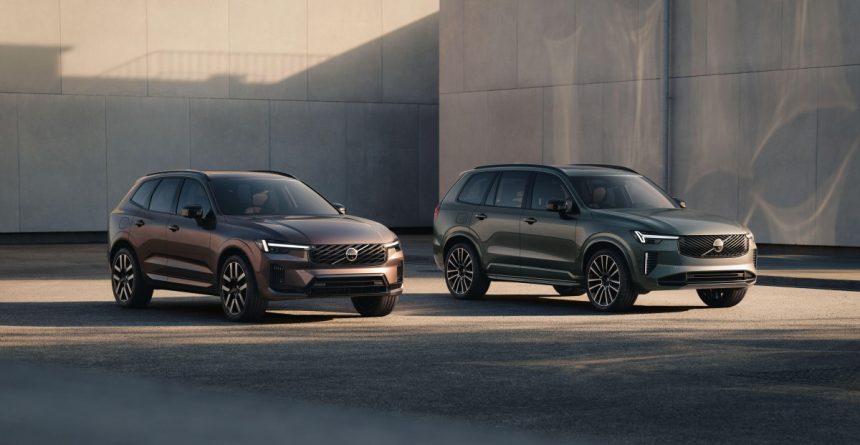
The Swedish manufacturer has unveiled significant upgrades to its flagship XC60 and XC90 SUVs, positioning them as the brand’s first true “long-range” plug-in hybrids. According to preliminary EPA testing data, the updated XC60 is projected to achieve an impressive 78 miles of electric-only range, while the XC90 follows closely with 73 miles.
To put this into perspective, these figures represent a massive leap forward-effectively doubling the electric capability of their predecessors. If these EPA estimates hold firm, Volvo will officially claim the title for the longest electric range of any plug-in hybrid currently sold in the United States. This shift is particularly timely, as recent industry reports indicate that hybrid and PHEV sales are currently outpacing pure internal combustion engine vehicles in several key markets, signaling a strong consumer appetite for electrified versatility.
Engineering Innovation: Battery Integration and Power
Volvo’s strategy for achieving these gains mirrors the design philosophy found in their dedicated battery-electric vehicle (BEV) lineup. By embedding the battery pack directly into the vehicle’s floor, engineers have optimized weight distribution and aerodynamic efficiency.
The hardware itself has seen a major overhaul. Both models now feature a high-capacity 41.2 kWh battery (with 37.9 kWh of usable energy). This increased capacity does more than just extend range; it allows for a more robust energy flow to the electric motors, which have also been upgraded to provide snappier acceleration and more consistent power delivery. This design choice is similar to how high-performance electric sports cars manage thermal and energy loads to maintain peak output during spirited driving.
The Human Element: The Importance of Charging Habits
Despite these technological advancements, the real-world efficiency of any PHEV remains dependent on the driver. A high-capacity battery is only as effective as the frequency with which it is replenished. As noted in previous industry analysis, tends to happen with a lot of plug-in hybrids, owners often fail to utilize the charging capabilities, effectively turning a sophisticated electric powertrain into a heavy, gasoline-reliant system. To reap the benefits of Volvo’s new long-range architecture, consistent charging remains the most critical factor in reducing overall carbon footprints and fuel costs.