





Elevating Your Autumn Displays: A Guide to Selecting Cyclamen
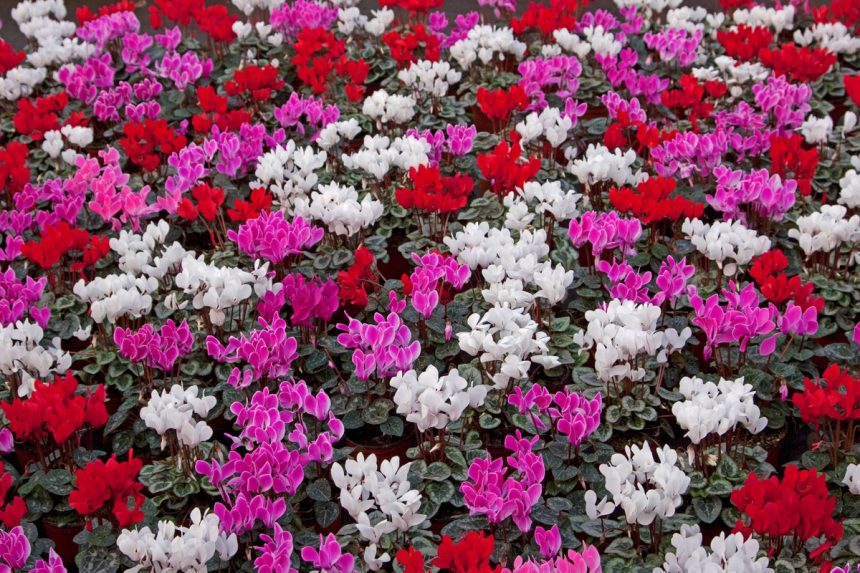
As the crisp air of autumn settles in, garden centers become vibrant displays of cyclamen. These tuberous plants, available in a spectrum of whites, pinks, and deep crimsons, are a staple for seasonal container gardening. Because they are naturally adapted to survive summer dormancy and bloom following the first autumn rains-often pushing out flowers before their elegant, heart-shaped leaves fully emerge-they are a favorite for adding color to the garden when other plants begin to fade.
However, not all cyclamen are created equal. Understanding the distinction between varieties is crucial, as some are bred for short-term seasonal impact, while others possess the hardiness to endure the winter and thrive in your garden beds for years to come.
Understanding Mini Cyclamen Varieties
Often marketed as “mini cyclamen,” these compact plants are smaller cousins to the larger, showy florist’s cyclamen. They are exceptionally popular for autumn patio pots and can even be brought indoors as temporary houseplants.
When utilized in outdoor containers, these varieties typically provide a burst of color for approximately six weeks. It is important to manage expectations, however; most of these mass-marketed mini varieties are treated as annual bedding plants in the UK climate. They are not engineered to withstand harsh winter frosts.
According to horticultural expert Kate Haines, while these mini varieties-often recognized by their striking dual-toned petals-are not strictly perennial, they can occasionally surprise gardeners by surviving the winter. Generally, however, you should expect their flowering cycle to conclude by mid-winter, around January or February.
Choosing the Right Plant for Your Garden
Before you purchase, consider your long-term goals for your containers:
* For Instant Seasonal Color: If you are looking for a quick, high-impact display for a porch or patio, the standard mini cyclamen is an excellent choice. Treat them as a temporary seasonal accessory, much like a pumpkin or a wreath, rather than a permanent garden fixture.
* For Long-Term Garden Investment: If you want plants that will return year after year, look for hardy species such as Cyclamen hederifolium or Cyclamen coum. These are true perennials that, once established, will naturalize in your garden, spreading slowly over time and providing reliable blooms in the cooler months.
By distinguishing between these “disposable” bedding varieties and true hardy perennials, you can better plan your autumn garden and ensure your investment provides the exact aesthetic-and longevity-you desire.