




When you purchase through links in our articles, we may earn a small commission. This doesn’t affect our editorial independence.
The Evolution of Windows 11: Addressing User Feedback on UI Constraints
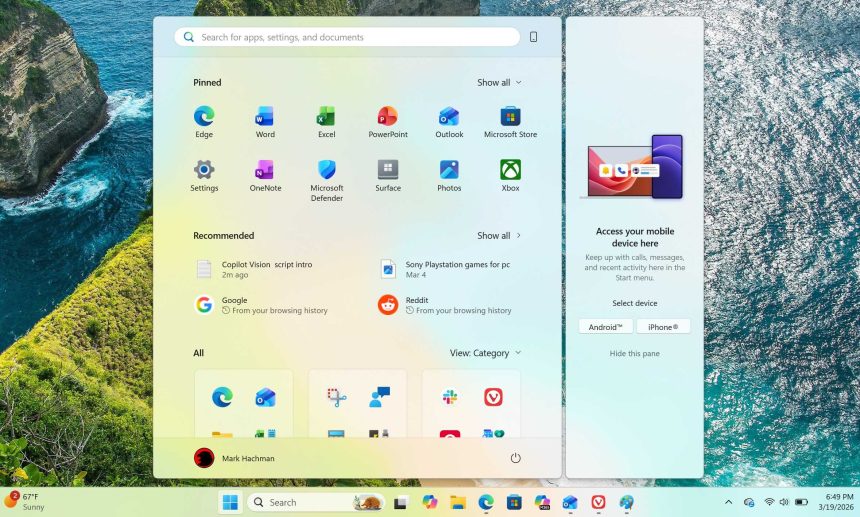
The transition from Windows 10 to Windows 11 marked a significant shift in Microsoft’s design philosophy. While the aesthetic overhaul was the most immediate change, the update also introduced restrictive limitations that frustrated power users, specifically the removal of the flexible, repositionable taskbar and the loss of granular control over the Start menu’s dimensions.
Why Microsoft Initially Restricted Customization
For years, the Windows community questioned why these staple features were stripped away. Recent insights from Microsoft developers have shed light on the technical debt and architectural challenges inherent in the new OS framework. The company prioritized a streamlined, modern interface, but in doing so, they inadvertently sidelined the deep personalization options that had been a hallmark of the Windows experience for decades.
Restoring Control: A Response to Community Demand
The lack of flexibility became a primary pain point for the user base. Recognizing that a “one-size-fits-all” approach to UI design was hindering productivity for many, Microsoft has spent the last several years recalibrating its strategy. The company has officially pivoted, reintroducing the functionality to anchor the taskbar to different sides of the screen and restoring the ability to adjust the Start menu’s scale to better suit individual workflows.
The Long Road to Feature Parity
It is worth noting that this restoration process took roughly five years to fully materialize. This delay highlights the complexity of modernizing a legacy codebase while attempting to maintain stability across millions of diverse hardware configurations. As of 2024, Microsoft continues to refine these elements, proving that even in a cloud-first era, user-centric interface design remains a critical component of operating system success.