


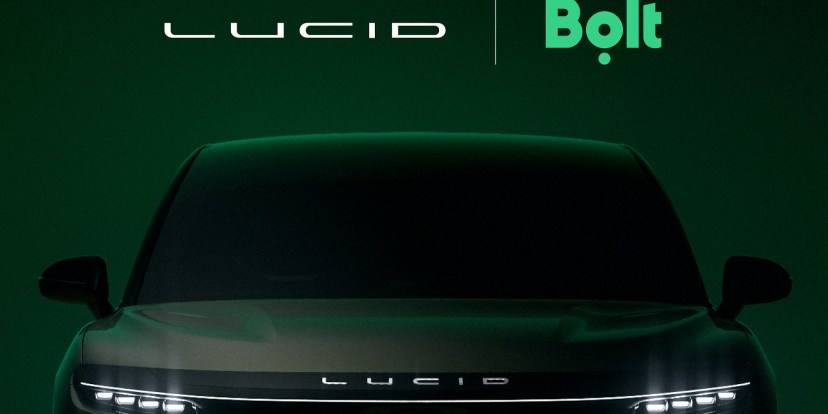


The Future of European Transit: Lucid and Bolt’s Autonomous Alliance
The landscape of urban mobility in Europe is set for a radical transformation following a landmark collaboration between luxury electric vehicle manufacturer Lucid and the prominent ride-hailing giant, Bolt. This strategic alliance aims to integrate a fleet of at least 25,000 autonomous Lucid vehicles into Bolt’s existing network, signaling a major shift toward self-driving public transportation across the continent.
Scaling Toward a Driverless Horizon
This initiative is a cornerstone of Bolt’s ambitious long-term roadmap. By 2035, the company intends to have a total of 100,000 autonomous vehicles operating on its platform; the inclusion of 25,000 Lucid units accounts for a significant 25% of that total goal.
By merging Lucid’s sophisticated, software-centric vehicle architecture with Bolt’s deep-seated knowledge of European traffic patterns, operational logistics, and consumer mobility habits, the partnership seeks to solve the “last-mile” problem more efficiently than ever before. While traditional ride-sharing relies on human drivers, this transition to autonomous fleets is expected to drastically reduce operational costs and improve safety metrics in dense urban environments.
Engineering the SAE Level 4 Experience
At the heart of this project is the development of a specialized vehicle platform engineered specifically for SAE Level 4 autonomy. Unlike Level 3, which still requires human intervention in certain scenarios, Level 4 vehicles are designed to handle all aspects of driving within a geofenced area without any human oversight.
To achieve this, the companies are leveraging the NVIDIA Hyperion architecture. This production-ready framework serves as the “brain” of the vehicle, integrating:
* High-Performance Computing: A centralized processing unit capable of making split-second decisions based on real-time environmental data.
* Standardized Sensor Suites: A robust array of cameras, LiDAR, and radar systems that provide a 360-degree view of the vehicle’s surroundings, ensuring precision in complex city traffic.
Why This Matters for Urban Centers
The move toward autonomous fleets comes at a critical time. With European cities increasingly implementing “Low Emission Zones” and seeking to reduce private car ownership, the demand for high-quality, on-demand electric transit is surging. Industry analysts suggest that autonomous ride-hailing could reduce the total cost of ownership for mobility providers by up to 40% by the end of the decade, making sustainable travel more accessible to the average commuter.