




By Editorial Staff
September 18, 2026
Source: YouTube

Unpacking the Legacy of Leonard Peltier: A New Documentary Perspective
“It’s always because of the land.” This haunting sentiment anchors the upcoming Netflix release, Free Leonard Peltier. As the streaming giant prepares to bring this documentary film to a global audience next month, viewers are invited to examine a polarizing chapter of American history that remains deeply relevant in today’s discourse on civil rights and systemic justice.
From Sundance to Streaming: A Long-Awaited Release
Following its initial debut at the 2025 Sundance Film Festival, the documentary has spent the last year navigating the festival circuit, building anticipation for its wide release. Directed by the visionary duo Jesse Short Bull and David France, the film serves as a rigorous investigation into the 1975 Pine Ridge Indian Reservation incident. The conviction of Leonard Peltier-an American Indian Movement (AIM) activist-for the deaths of two FBI agents has long been a flashpoint for controversy, with many legal experts and human rights organizations questioning the integrity of the original trial.
The Intersection of Activism and Incarceration
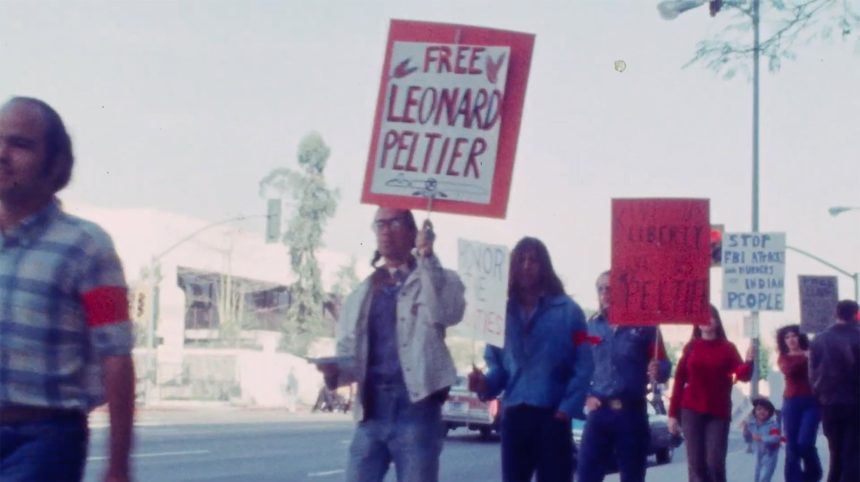
The narrative arc of the film traces Peltier’s transformation from an ordinary mechanic into a central figure in the fight for Indigenous sovereignty. By weaving together archival footage of the era’s intense political climate-marked by occupations, targeted arrests, and violent confrontations-the directors illustrate how Peltier became a symbol of resistance.
The film provides a sobering look at the human cost of activism. While the legal system handed down two consecutive life sentences, the broader story is one of a decades-long struggle for recognition and justice. It is worth noting that the legal landscape shifted significantly in January 2025, when Peltier’s sentence was finally commuted to home confinement after nearly 50 years behind bars. This documentary arrives at a pivotal moment, offering a comprehensive look at a man who spent half a century in federal custody, serving as a testament to the enduring power of grassroots advocacy in the face of institutional opposition.