


The Digital Dilemma: Can Government Executions Be Streamed on Social Media?
The intersection of state-sanctioned capital punishment and modern digital broadcasting has sparked a significant debate regarding the boundaries of social media moderation. Following reports that the U.S. government intends to broadcast the upcoming execution of Nidal Hasan-the perpetrator of the 2009 Fort Hood mass shooting-via a livestream, major tech platforms are facing intense scrutiny over their stance on such content.
Platform Policies and the Question of Graphic Content
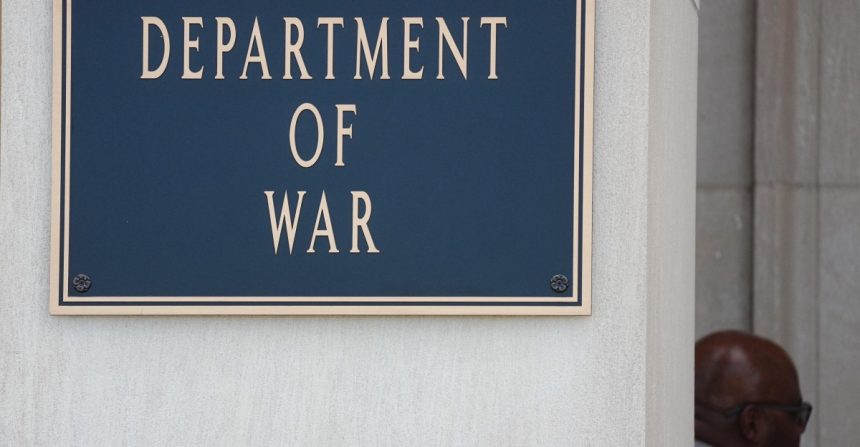
While the Pentagon has indicated that the execution, slated for December 3rd at 2:00 PM ET, will be made available to the public, the major players in the streaming industry remain largely silent. Industry giants including YouTube, Meta, and X (formerly Twitter) have declined to clarify whether they would permit such a broadcast on their networks, despite inquiries regarding their compliance with government-sanctioned media.
However, some platforms have been more transparent about their internal safety protocols. TikTok, for instance, maintains a strict stance against the dissemination of graphic or disturbing material. A representative for TikTok’s U.S. division highlighted the company’s community guidelines, which explicitly prohibit content depicting the act of dying or other “shocking” imagery. Similarly, Kick-a platform that has gained notoriety for its permissive moderation style-has confirmed that a state execution would be a direct violation of its terms of service. “Broadcasting such an event would breach our Community Guidelines,” stated Kick spokesperson Audrey FitzGerald.
The Evolving Landscape of Digital Censorship
The hesitation from major tech firms highlights a broader challenge: how to balance government transparency with the safety standards of private digital spaces. In an era where live video has become the primary medium for news consumption, the potential for a state-sponsored execution to reach millions of viewers in real-time presents an unprecedented moderation crisis.
Current industry standards generally categorize the depiction of death as a violation of “harmful and dangerous” content policies. For context, most major platforms have spent the last decade refining AI-driven moderation tools to automatically flag and remove violent imagery. Allowing a government-sanctioned exception would not only contradict these established safety frameworks but could also trigger a massive backlash from advertisers and users who expect these platforms to remain free of extreme violence.
As the December deadline approaches, the silence from the largest streaming platforms suggests they are caught between the legal implications of government directives and the ethical constraints of their own user agreements. Whether these companies will be forced to choose between government compliance and their own safety policies remains a critical point of contention in the ongoing evolution of digital media regulation.