


Optimal Footbed Solutions for Managing Plantar Fasciitis
If you are navigating the persistent, sharp discomfort of plantar fasciitis, your choice of footwear-specifically the internal support system-is the most critical factor in your recovery. Standard factory insoles often lack the structural integrity required to stabilize the foot, which is why upgrading to specialized orthotics is a game-changer for daily mobility.
The Anatomy of Effective Relief
To effectively mitigate heel pain, an insole must do more than provide soft cushioning. The most successful designs prioritize two mechanical features:
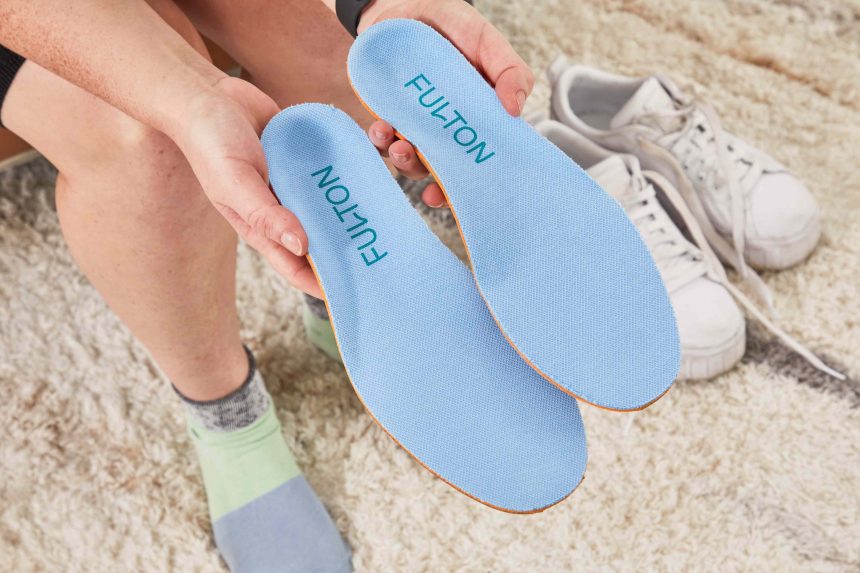
* Deep Heel Stabilization: A contoured, deep heel cup is essential for cradling the calcaneus (heel bone). By centering the heel, these inserts prevent excessive lateral movement and help maintain the natural fat pad directly beneath the bone, which acts as your body’s primary shock absorber.
* Rigid Arch Architecture: Plantar fasciitis is frequently exacerbated by overpronation or a collapsed arch. High-quality insoles provide a firm, supportive bridge that prevents the plantar fascia ligament from overstretching during the gait cycle.
Why Standard Insoles Fall Short
Many people mistakenly believe that “squishy” or memory-foam insoles are the best remedy for foot pain. However, clinical observations suggest that excessive softness can actually destabilize the foot, forcing the muscles to work harder to compensate. According to recent podiatric data, nearly 70% of patients suffering from chronic heel pain report significant improvement within four weeks of switching to semi-rigid orthotics that offer targeted biomechanical alignment rather than just surface-level comfort.
Selecting the Right Support for Your Lifestyle
When shopping for the best inserts, consider the volume of your shoe and your activity level. For instance, if you are an avid runner, look for lightweight, high-rebound materials that offer energy return without sacrificing the necessary arch rigidity. Conversely, for professional footwear, low-profile orthotics are preferable to ensure they fit comfortably without crowding your toes.
For those seeking a comprehensive breakdown of the most effective products currently on the market, our curated list evaluates durability, material composition, and clinical efficacy.
Our top picks have deep heel cups and solid arch support » More Info >>>