



### The Surprising Origins of Mongolian Chicken: A Culinary Misnomer
If you have ever scanned a takeout menu and wondered why a dish labeled “Mongolian Chicken” bears no resemblance to the traditional nomadic cuisine of the Mongolian steppes, you aren’t alone. Despite its exotic-sounding name, this savory, stir-fried staple has absolutely no historical ties to Mongolia. Instead, its roots are firmly planted in the mid-20th-century culinary scene of Taiwan.
#### From Beijing to Taipei: The Birth of a Dish
The true story behind this popular meal begins with Wu Zhaonan, a renowned comedian originally from Beijing. Following the upheaval of the Chinese Civil War, Wu relocated to Taipei in 1951. To make ends meet, he launched a modest food stall, serving up a signature griddle-cooked chicken dish that would eventually become a global phenomenon.
#### Why the “Mongolian” Label?
You might wonder why Wu didn’t simply call his creation “Peking Barbecue” to honor his roots. The decision was purely political. At the time, Beijing-then known as Peking-had recently been established as the capital of the newly formed Communist China. Given the intense political climate of the era, branding a dish with a name associated with the mainland was a risky move for a refugee in Taiwan. By opting for the “Mongolian” moniker, Wu successfully distanced his food from the geopolitical tensions of the day while still capturing the imagination of his customers.
#### A Global Takeout Staple
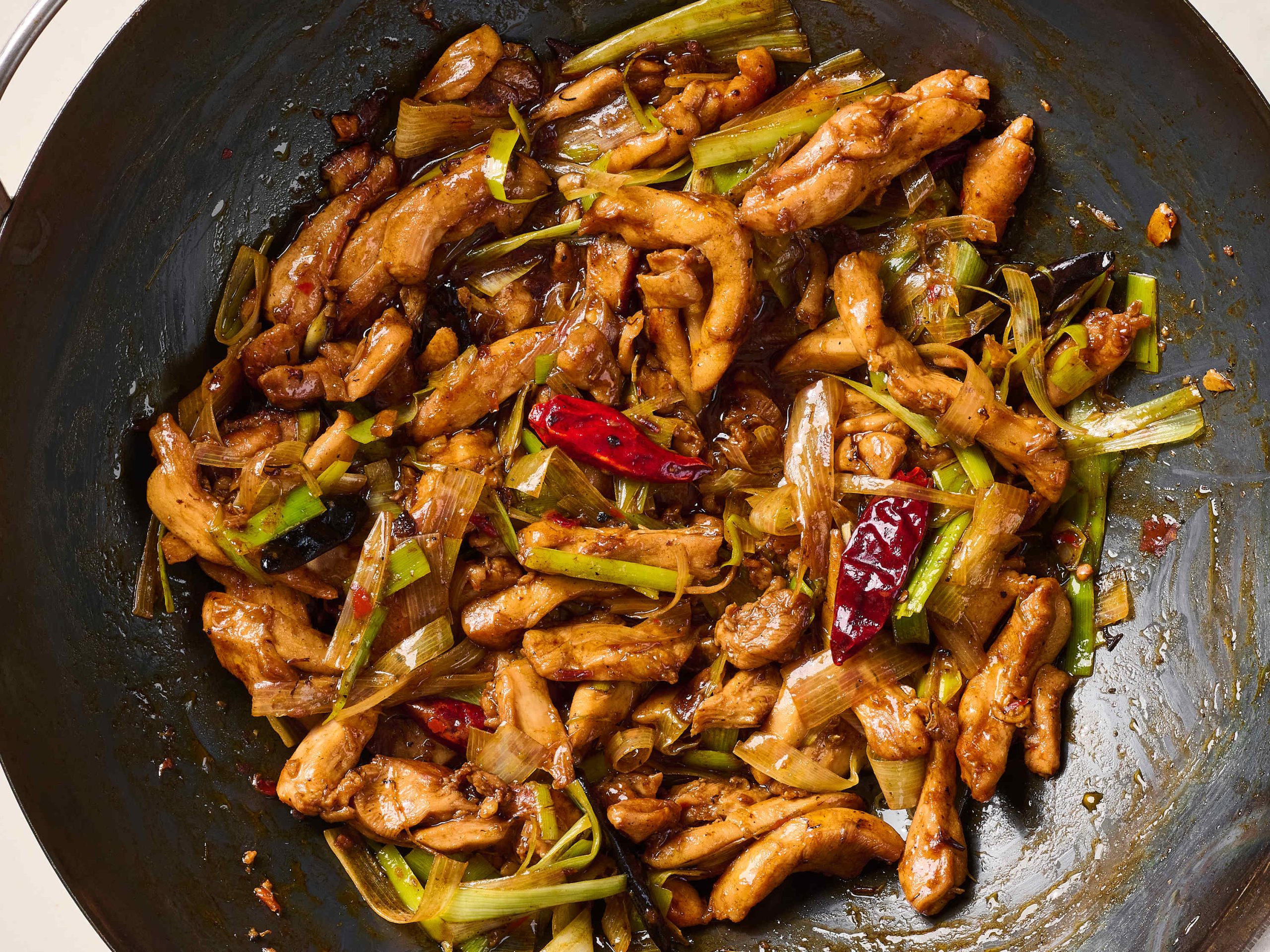
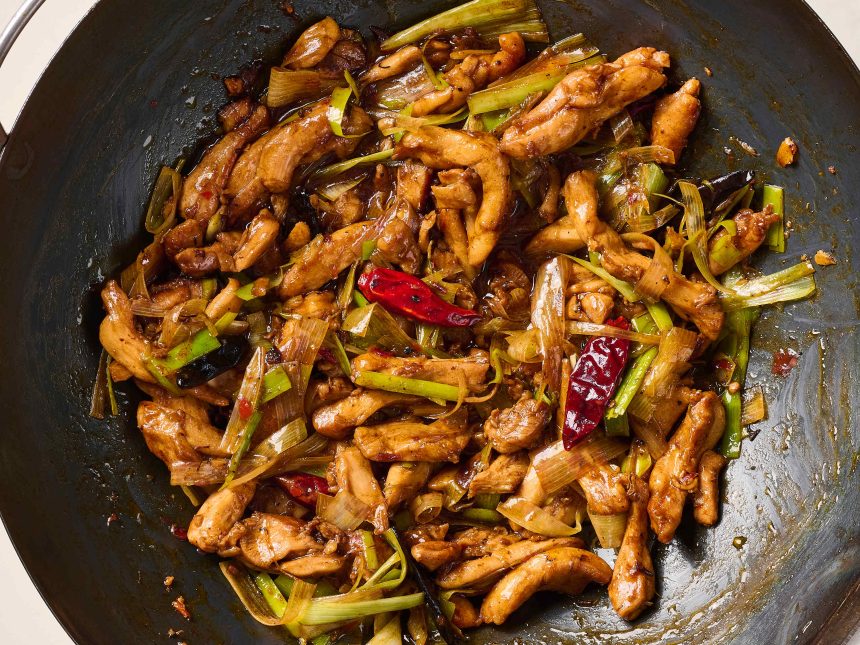
Today, Mongolian chicken is a fixture in Chinese-American and international fusion restaurants. While the original recipe was a simple, griddle-seared preparation, modern versions have evolved to include a signature sweet and savory soy-based glaze, often accompanied by scallions and ginger. Much like how “General Tso’s Chicken” was adapted to suit Western palates, the Mongolian chicken we enjoy today is a testament to how migration and cultural adaptation can reshape food history.
Whether you are a fan of the crispy, caramelized edges or the aromatic sauce, it is fascinating to realize that every bite is a small piece of 1950s political history disguised as a comfort food classic.