




The Paradox of Permanence in the MCU
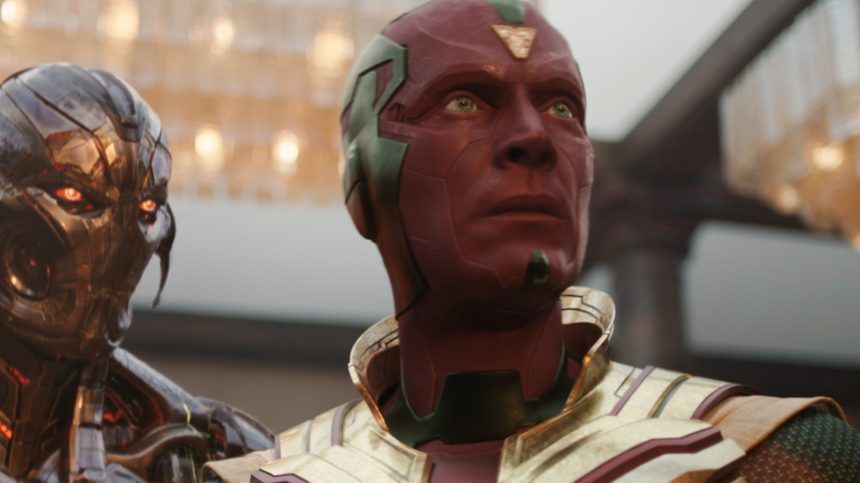
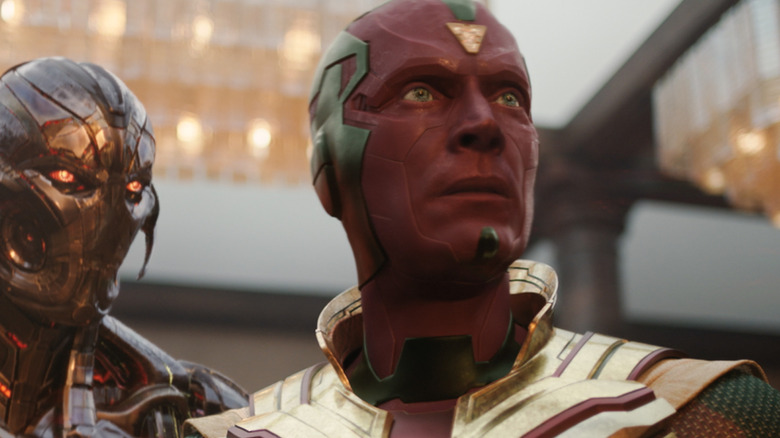
“A thing isn’t beautiful because it lasts.” When Paul Bettany’s Vision uttered those words to James Spader’s Ultron during the climax of Avengers: Age of Ultron, it served as a poignant, philosophical anchor in a film otherwise defined by explosive spectacle. Looking back from our current vantage point, that line carries a heavy, unintended irony. In 2015, the Marvel Cinematic Universe was just beginning its ascent into a relentless, interconnected machine. Now, over a decade later, the franchise often struggles to let go of its history-a trend highlighted by the impending arrival of “Doomsday.”
Yet, amidst this cycle of constant resurrection and nostalgia-baiting, a surprising outlier has emerged. While the MCU typically prioritizes the “forever” nature of its intellectual property, the latest Disney+ entry, VisionQuest, dares to engage with the very concept of impermanence that Vision once mused about. It is a rare instance where the studio isn’t just recycling the past, but actively interrogating it.
VisionQuest: A New Chapter for a Synthetic Soul
Functioning as a spiritual successor to the critically acclaimed WandaVision, VisionQuest shifts the focus from suburban domesticity to a more existential inquiry. If the original series was about the grief of losing a partner, this follow-up is about the struggle of finding one’s own identity in the wake of that loss. It is a digital delight that manages to feel intimate despite the massive scale of the universe it inhabits.
The series succeeds by stripping away the typical “save the world” stakes that often clutter Marvel storytelling. Instead, it leans into the character-driven introspection that made the 2015 exchange between Vision and Ultron so memorable. By focusing on the synthetic protagonist’s internal evolution, the show mirrors the current state of the MCU: a franchise attempting to reconcile its long-standing legacy with the need to evolve into something new.
As the MCU continues to expand, with recent reports indicating that Disney+ viewership for Marvel content has seen a shift toward more grounded, character-focused narratives, VisionQuest arrives at the perfect moment. It proves that even in a universe built on infinite sequels, there is still room for a story that values the beauty of a finite, meaningful journey.