



Nutritional Strategies and the Microbiome: Can Diet Combat Hair Loss?
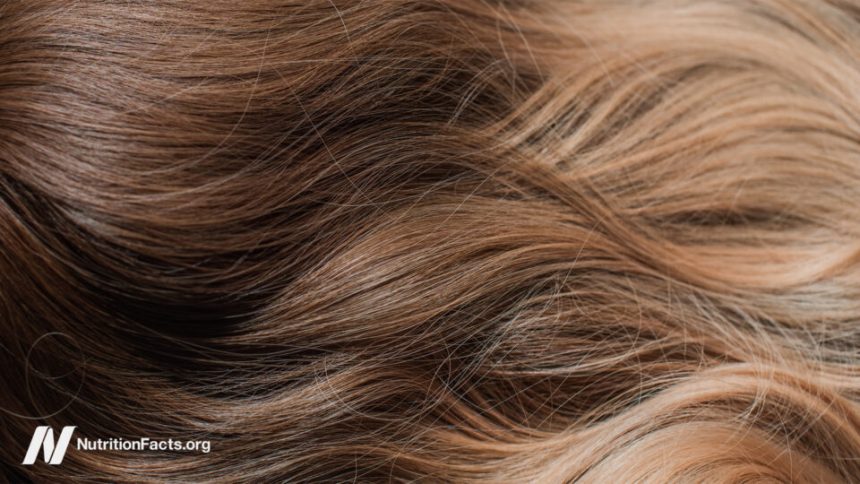
While many people associate hair thinning with genetics, the role of nutrition and gut health in managing androgenetic alopecia is an emerging field of study. Whether referred to as male pattern baldness or female pattern hair loss, this condition-marked by the gradual thinning of hair across the scalp-remains a primary concern for dermatologists worldwide. While pharmaceutical interventions and specialized supplements are common, the potential for dietary adjustments to influence hair follicle health is gaining significant scientific interest.
The Microbiome Connection: A Surprising Discovery
Recent clinical observations have highlighted the profound influence of the gut microbiome on systemic health, including hair growth. One of the most striking examples of this connection comes from research involving fecal microbiota transplantation (FMT). In a documented case, a patient suffering from total hair loss experienced a remarkable transformation following an FMT procedure. Within a few months of receiving the transplant, the patient began to see significant regrowth, and within a year, their hair had fully restored.
While this is an extreme clinical example, it underscores a vital point: the internal environment of our digestive system may be a hidden driver of hair health. It is important to note that this is a medical procedure, not a lifestyle recommendation; the takeaway is not to attempt home remedies, but rather to recognize that the gut-hair axis is a legitimate area of scientific inquiry.
Dietary Allies for Follicle Health
Beyond the microbiome, specific food groups have shown promise in supporting hair density and strength. Integrating nutrient-dense options into your daily routine may provide the building blocks necessary for healthier hair:
* Soy-Based Foods: Rich in isoflavones, soy products may help modulate hormonal factors that contribute to thinning.
* Pumpkin Seeds: These are packed with zinc and phytosterols, which are often studied for their potential to inhibit the enzymes responsible for hair follicle miniaturization.
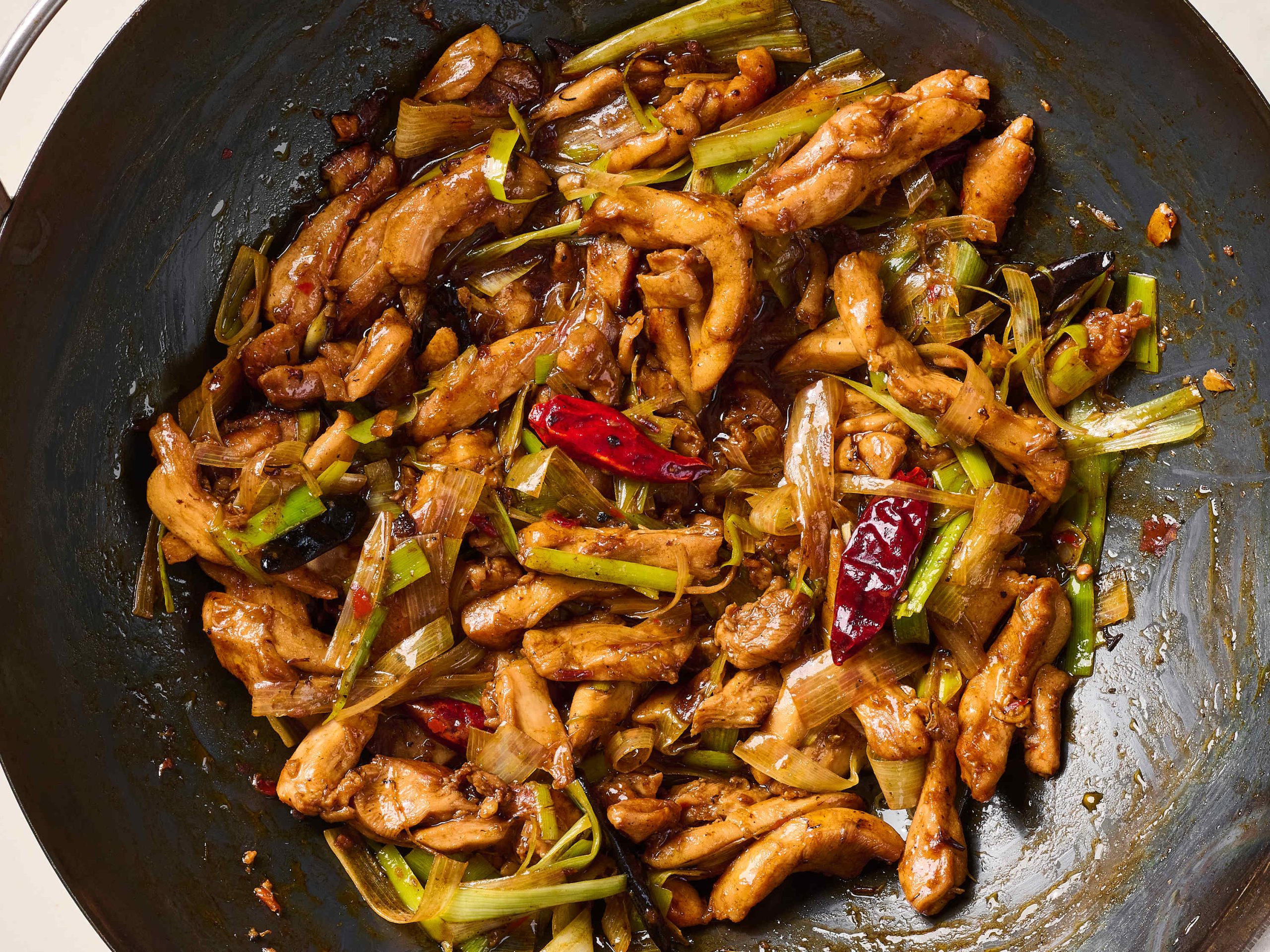
* Hot Peppers: The capsaicin found in chili peppers has been shown in some studies to stimulate the production of insulin-like growth factor-I (IGF-I) in hair follicles, which can promote growth cycles.
Understanding the Scope of Androgenetic Alopecia
Androgenic or androgenetic alopecia is widely recognized as the most prevalent form of hair loss. In men, it typically manifests as a receding hairline or crown thinning, while in women, it is often characterized by a widening part and diffuse thinning. Because this condition is progressive, early intervention is key.
As researchers continue to investigate how diet plays a role in managing these symptoms, it is clear that the gut-brain-skin axis is more interconnected than previously thought. While we wait for more human-based clinical trials, focusing on a balanced, whole-food diet remains a proactive step for overall wellness. For those interested in the specific mechanisms behind these findings, the human experiments with fecal transplants offer a fascinating glimpse into the future of regenerative medicine.
For a deeper dive into the visual evidence and the science behind these findings, you can view the case of the patient who started their recovery journey in the video Food for Hair Growth.