





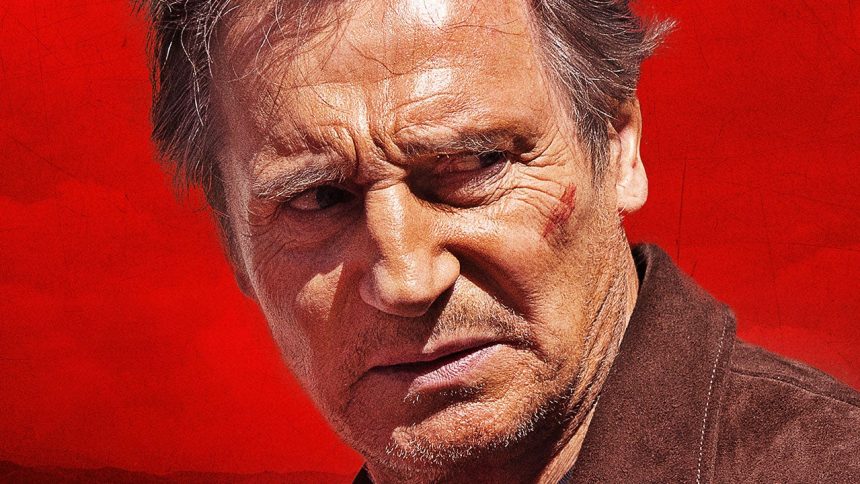
The Mongoose: A Budget-Conscious Throwback That Misses the Mark
Currently playing in cinemas, The Mongoose serves as a stark reminder of how certain cinematic shortcuts never truly age well. Much like the infamous, budget-saving crash sequence in the 1971 sci-fi staple The Omega Man-where Charlton Heston’s aircraft conveniently vanishes behind a hill to trigger a pyrotechnic display hidden from the audience’s view-Liam Neeson’s latest outing relies on similarly transparent sleight-of-hand.
When Frugality Meets Filmmaking
In the 1970s, hiding a crash off-screen was a standard workaround for limited production funds. Seeing a modern blockbuster like The Mongoose employ the same tactic in 2026 feels jarringly antiquated. While the film opts to turn its own helicopter sequence into a slapstick punchline rather than a fiery spectacle, the underlying issue remains: the audience is left with the distinct impression that the production was stretched thin. It is the kind of visual shorthand that screams, “most of the financing went to the lead actor’s paycheck,” leaving the rest of the film to suffer from a lack of polish.
The Neeson Effect: Charisma vs. Constraints
Despite the film’s inability to deliver high-octane thrills or a cohesive sense of scale, it manages to retain a strange, magnetic charm. This is almost entirely due to Liam Neeson’s presence. He carries the film with a self-aware, disarming energy-the kind that suggests he is fully cognizant of his massive salary and the modest production values surrounding him. It is a performance that acknowledges the film’s limitations while simultaneously trying to elevate the material through sheer force of personality.
Ultimately, The Mongoose is a curious case of a movie that feels like a relic of a bygone era, struggling to balance its star power with a threadbare aesthetic that fails to hide its financial seams.