





Stop Discarding Your Produce Scraps: The Hidden Fiber Goldmine
Before you clear your cutting board into the compost bin or trash can, consider this: you might be discarding the most nutrient-dense portions of your produce. While many of us are conditioned to peel apples or trim away the outer layers of vegetables, recent nutritional insights suggest that these discarded fruit and vegetable remnants are actually nutritional powerhouses.
Why Your Trash Can Is Hiding Essential Nutrients
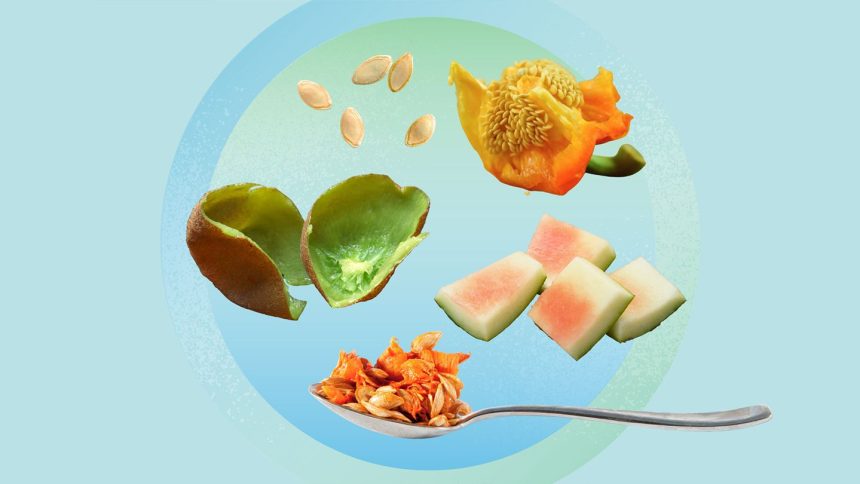
The common practice of peeling produce often strips away the very parts that contain the highest concentrations of dietary fiber. Scientific analysis indicates that items like the tough skin of a butternut squash or the thick rind of a watermelon are not just edible-they are packed with fiber that supports digestive regularity and heart health.
According to the American Heart Association, most adults fall significantly short of the recommended 25 to 30 grams of fiber per day. By incorporating these “scraps” into your diet, you can bridge that nutritional gap while simultaneously tackling the global issue of food waste. For instance, blending watermelon rinds into smoothies or roasting vegetable peels with olive oil and sea salt are simple, effective ways to maximize your intake.
Expert Perspective: Rethinking Kitchen Waste
The search for the “next big thing” in wellness often leads us to expensive supplements or exotic superfoods, yet we frequently overlook the resources already present in our own kitchens. Laurel Santiago, a licensed dietitian nutritionist and founder of the Integrative Center for Nutrition in New York City, emphasizes that we are essentially throwing away health-promoting components. “We’re often looking for the next superfood or supplement to improve our health, when part of the answer is already sitting in the kitchen, about to be thrown in the trash,” Santiago notes.
Practical Steps for a Zero-Waste Kitchen
Transitioning to a “root-to-stem” approach doesn’t require a complete overhaul of your cooking style. Start small by keeping the skins on your potatoes, carrots, and cucumbers-provided they are thoroughly washed. Not only does this save time on prep work, but it also ensures you are consuming the fiber-rich outer layers that are often lost during peeling. By shifting our perspective on what constitutes “food,” we can improve our dietary quality and reduce our environmental footprint in one simple move.