



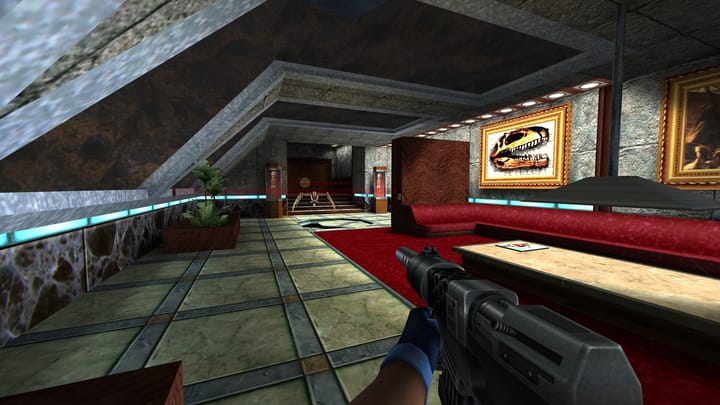
Image via Nightdive Studios/Atari
The 2026 Acquisition Landscape: Why Atari’s Strategy Stands Out
For those working within the gaming sector, the term “acquisition” has become a source of significant anxiety as we move through 2026. The industry is still reeling from the aggressive consolidation wave that defined the 2020-2022 period. Unfortunately, many of the corporate giants that engaged in massive spending sprees during those years followed up with devastating rounds of layoffs. Against this backdrop of industry-wide instability, Atari has emerged as a fascinating outlier, maintaining an active acquisition strategy while notably avoiding the workforce reductions that have plagued its peers.
Strategic Growth Through Targeted Investments
Atari’s recent expansion has been far from modest. The company has funneled millions into a diverse portfolio of studios and platforms, with individual deals ranging from $1 million to $40 million. This shopping list includes notable names such as the Crossy Road creators at Hipster Whale, the database powerhouse MobyGames, the preservation-focused Digital Eclipse, and the remaster experts at Nightdive Studios. While other major players in the tech and gaming space have struggled to integrate their new assets, Atari’s financial bets appear to be yielding positive results.
Related: Report: Silver Lake and the Saudi Arabia PIF hold talks with Unity to explore acquisition
Preserving Studio Autonomy: The Nightdive Perspective
A key factor in Atari’s success is its hands-off approach to studio management. Rather than forcing a corporate overhaul, Atari has largely allowed its acquisitions to continue operating as they did before the buyout. Stephen Kick, CEO of Nightdive Studios, recently shared his positive experience during PAX West 2026. According to Kick, the transition has been seamless, largely because Atari respects the studio’s proven business model-specifically its focus on high-quality remakes and remasters of retro titles.
Rather than imposing restrictive creative mandates, Atari has focused on providing structural support. By absorbing the “back-office” burdens-such as complex payroll management and administrative logistics-Atari has empowered its studios to focus entirely on development. This symbiotic relationship suggests that the most effective acquisitions are those that provide resources without stifling the unique culture that made the studio valuable in the first place.