

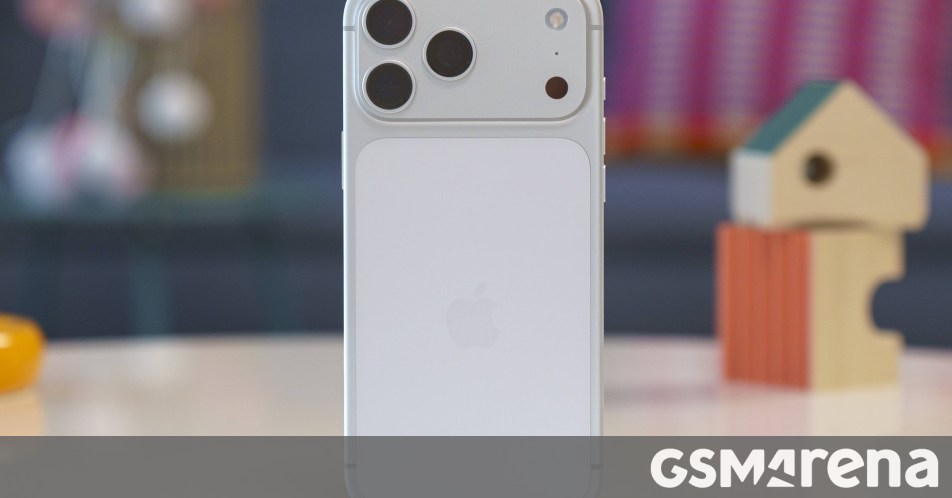





Apple’s Price Hikes Are Here: What You Need to Know About the New MacBook Costs
The writing has been on the wall for some time. Only a few weeks ago, Apple hinted that rising costs for essential components-specifically memory and storage-would make upward adjustments to their product pricing unavoidable. That prediction has now materialized, with the company officially updating its online storefront to reflect significantly higher price tags across its laptop lineup.
A New Reality for MacBook Pricing
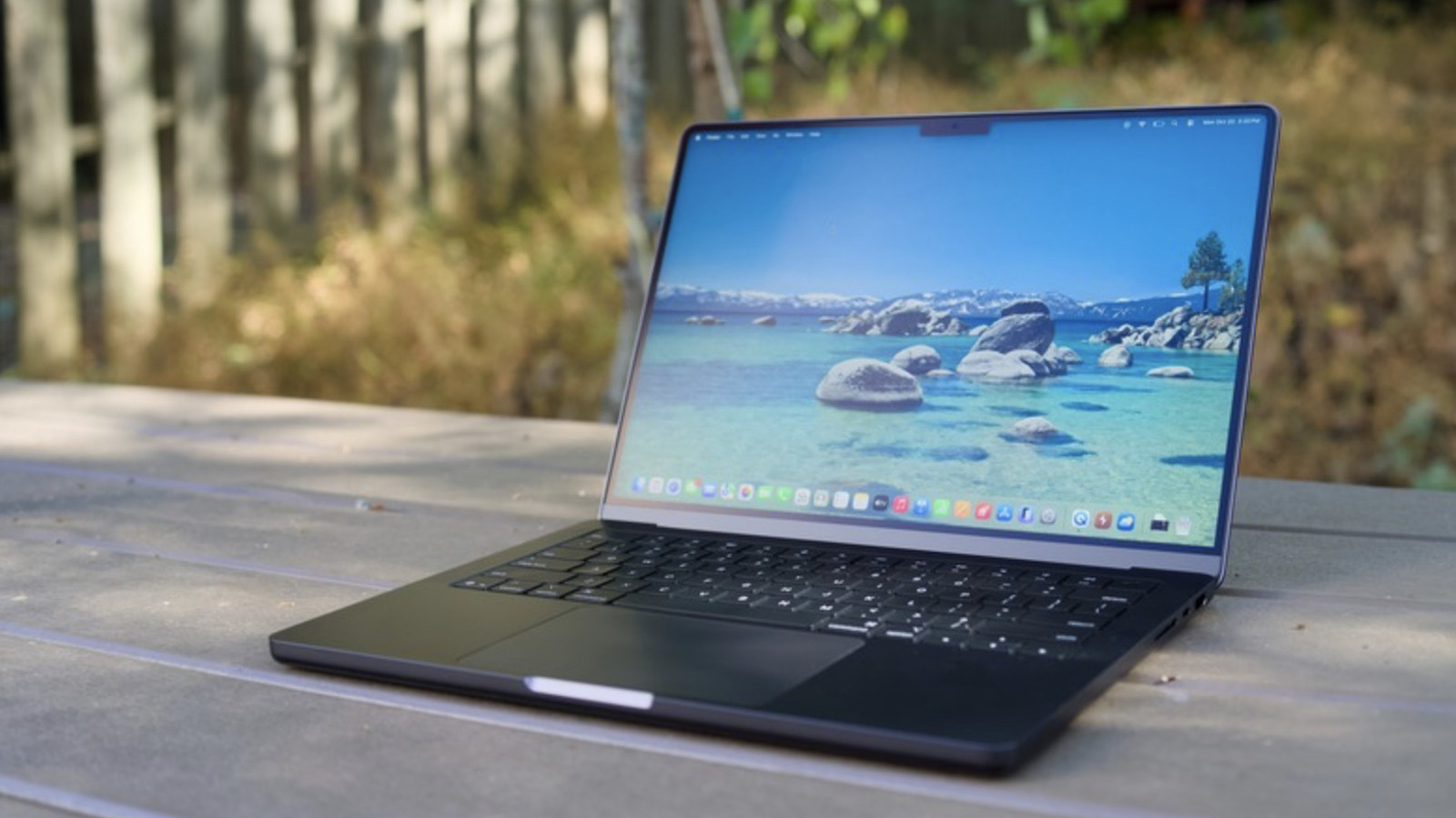
The financial impact of these changes is immediate and noticeable. The entry-level MacBook Neo has seen a $100 bump, bringing its retail price to $699. Perhaps more jarring is the MacBook Air, which has jumped by $200, now starting at $1,299. While this base model still offers a respectable baseline of 16 GB of RAM and 512 GB of storage, the timing is particularly frustrating for consumers, as this increase arrives only a few months after the laptop’s most recent hardware refresh.
The most dramatic shift, however, is reserved for the MacBook Pro. With a starting price of $1,999, the Pro has surged by nearly $400-a staggering 20 percent increase. While this model does offer double the storage capacity of the Air, it is important to note that both machines are powered by the same M5 silicon. This creates a pricing chasm between the two tiers that we haven’t witnessed in the Apple ecosystem for quite some time.
Finding Value Amidst the Cost Surge
While these price hikes are undoubtedly a blow to the wallet, there is a silver lining for savvy shoppers. Because these updates were rolled out during the extended four-day Amazon Prime Day event, some retailers are still holding onto older inventory at pre-hike prices. This creates a unique window of opportunity to secure a high-performance machine before the new MSRPs become the universal standard.
Current market data suggests that as supply chains continue to struggle with the rising costs of DRAM and NAND flash, these price adjustments are likely a long-term strategy rather than a temporary fluctuation. For those who have been waiting to upgrade, the current promotional period offers a rare chance to bypass the “Apple Tax” that has just been applied to the latest generation of hardware.
Strategic Buying Tips
- Check Third-Party Retailers: Large distributors often have stock that hasn’t been updated to the new pricing yet. If you can find a retailer still honoring the previous price, act quickly.
- Evaluate Your Needs: With the MacBook Pro now commanding a 20 percent premium over the Air for the same M5 chip, the value proposition of the Pro has shifted. Unless you specifically require the extra storage or specific chassis features, the Air remains the more logical choice for most users.
- Monitor Refurbished Sections: As new units become more expensive, Apple’s official “Certified Refurbished” store often becomes the best place to find high-end hardware at a discount that effectively negates these recent price increases.
Ultimately, while the era of cheaper entry-level MacBooks appears to be fading, proactive shoppers can still navigate these changes by leveraging current sales events and carefully comparing the performance-to-price ratio of the updated lineup.
Major Price Drops: Score Significant Savings on Apple MacBook Models
If you have been waiting for the perfect moment to upgrade your computing setup, the current market landscape offers some compelling opportunities. Retailers are currently slashing prices on high-performance Apple hardware, making premium technology more accessible than ever. Whether you are a creative professional or a student looking for a reliable daily driver, these discounts provide a rare chance to secure top-tier gear without the premium price tag.
Unbeatable Value on the 13-inch MacBook Air
The standout deal currently making waves is the 13-inch MacBook Air, which is now available for just $949. This represents a massive $350 reduction compared to the standard retail price set by Apple. For those who prioritize portability without sacrificing power, this machine remains the gold standard. Its lightweight chassis, combined with the efficiency of Apple’s proprietary silicon, ensures that it can handle everything from intensive multitasking to high-definition media consumption with ease. Securing a $350 discount on such a versatile device is an exceptional value proposition that is unlikely to last long.
The MacBook Neo: A Budget-Friendly Powerhouse
For users who are more budget-conscious but still demand the reliability of the Apple ecosystem, the MacBook Neo has become an even more attractive option. Currently priced at $590-a $110 discount from its original MSRP-this laptop serves as an ideal entry point for those entering the Apple fold. While it may not boast the same high-end specifications as the Pro line, it offers a seamless user experience, excellent battery life, and a build quality that far exceeds most Windows-based laptops in the same price bracket. This price adjustment effectively lowers the barrier to entry for high-quality computing.

Why Now Is the Time to Buy
Market analysts often note that these types of aggressive price cuts are typically tied to inventory clearing cycles or seasonal promotional events. By taking advantage of these offers, consumers are essentially getting “future-proof” technology at a fraction of the cost. When you consider that these machines are designed to last for several years of heavy use, the cost-per-day value becomes incredibly low.
Furthermore, with the rapid evolution of software, having a machine that can handle the latest operating system updates is crucial. Both the 13-inch MacBook Air and the MacBook Neo are fully compatible with the newest software iterations, ensuring that your investment remains relevant for years to come. If you have been holding off on a purchase, these current discounts provide the financial incentive needed to finally make the switch or upgrade your existing hardware.
Note: These offers are subject to availability and may fluctuate based on retailer inventory levels. It is recommended to act quickly to secure these specific price points before stock is depleted.
Why Now Is the Moment to Secure Your MacBook Air (M5, 2026)
If you have been waiting for the perfect window to upgrade your laptop, the current market landscape suggests that your patience might soon become a liability. With the latest MacBook Air (M5, 2026) currently available on platforms like Amazon for $1,299, we are likely witnessing one of the final opportunities to acquire high-performance Apple hardware at a competitive price point before broader economic shifts take hold.
The Looming Shift in Laptop Pricing
For years, consumers have enjoyed a relatively stable pricing environment for premium ultrabooks. However, industry analysts are pointing toward a “perfect storm” of rising component costs and supply chain adjustments that could soon push the entry-level price for Apple’s flagship portable machines significantly higher.
When you look at the trajectory of semiconductor manufacturing and the increasing complexity of integrated neural engines, it becomes clear that the $1,299 price tag for the M5-powered MacBook Air represents a value proposition that may not be sustainable for retailers in the coming fiscal quarters.
Why the M5 MacBook Air Remains the Gold Standard
The 2026 MacBook Air isn’t just another iterative update; it represents a refined balance of power and efficiency that is difficult to replicate. By opting for this model now, you are securing:
* Future-Proofed Silicon: The M5 chip architecture is designed to handle the next generation of AI-integrated workflows and heavy multitasking without breaking a sweat.
* Unmatched Portability: Maintaining the iconic, fanless design, this machine remains the benchmark for students, creative professionals, and remote workers who prioritize mobility.
* Battery Longevity: Apple’s continued optimization of power consumption ensures that this model remains a leader in real-world battery life, outperforming many Windows-based competitors in the same weight class.
Strategic Buying: Avoiding the “Price Creep”
Market data indicates that as inflation impacts the cost of raw materials-specifically rare earth metals and advanced display panels-manufacturers are increasingly passing these costs down to the consumer. Waiting for a “better deal” during future sales events might prove counterproductive if the base MSRP of these devices undergoes a structural increase.
Think of it like the housing market or high-end automotive sector: when the cost of production rises, the “floor” price of the product rarely returns to its previous low. By securing your MacBook Air (M5, 2026) at its current retail price, you are effectively hedging against the inevitable upward trend in consumer electronics pricing.
Final Verdict
The current availability of the MacBook Air (M5, 2026) at $1,299 is a rare intersection of high-end performance and accessible pricing. Whether you are a professional looking to streamline your creative output or a student needing a reliable machine for the next four years, the logic is sound: the best time to buy is when the technology is at its peak and the price is still grounded in the current market reality.
Don’t wait for the next cycle of price hikes to realize that the best deal was the one available today.
Photograph: Luke Larsen
Product: Apple MacBook Air (M5, 2026)
Current Retail Price: $1,299 via Amazon
Comparing MacBook Air Deals: Where to Find the Best Value
When you are in the market for a high-performance laptop like the latest MacBook Air, navigating the sea of retail options can be overwhelming. With major retailers like Amazon, Walmart, and the official Apple Store all vying for your business, identifying the best deal requires more than just a quick glance at the price tag. Below, we break down the current landscape for purchasing the MacBook Air (M5 chip, 16GB RAM, 512GB SSD) to help you make an informed decision.
Current Market Pricing Overview
As of the latest market data, the standard retail price for the 13-inch MacBook Air equipped with the M5 chip, 16GB of RAM, and a 512GB SSD is set at $1,099. However, savvy shoppers can often find significant variances depending on the platform.
Walmart: The Competitive Edge
Currently, Walmart is positioning itself as a strong contender for budget-conscious buyers. While the list price remains consistent with the industry standard, recent promotional adjustments have seen the price drop to $1,023. This represents a notable saving of approximately $76, making it an attractive option for those looking to maximize their purchasing power without sacrificing hardware specifications.
Amazon and Apple: Stability and Trust
Both Amazon and the official Apple Store maintain the $1,099 price point. While these platforms may not always offer the lowest immediate cash price, they provide distinct advantages:
* Amazon: Often favored for its rapid shipping logistics and integrated customer review ecosystem, which can provide peace of mind regarding the seller’s reputation.
* Apple Store: Purchasing directly from the manufacturer ensures the highest level of support, access to AppleCare+ integration, and the ability to customize configurations if your needs evolve beyond the standard model.
Factors to Consider Before You Buy
Price is rarely the only variable that matters when investing in premium technology. Before finalizing your purchase, consider these three critical factors:
- Total Cost of Ownership: Beyond the initial sticker price, factor in the cost of accessories. If a retailer offers a bundle or a lower price, check if that savings covers the cost of a protective sleeve or a USB-C hub, which are essential for the MacBook Air’s minimalist design.
- Warranty and Support: While the hardware is identical across all three retailers, the ease of returns and the availability of technical support can vary. Apple’s direct support is the gold standard, but major retailers like Walmart and Amazon have streamlined their return processes significantly in recent years.
- Market Trends: The tech industry is cyclical. If you aren’t in an immediate rush, keep an eye on seasonal sales events. Historically, retailers adjust their margins during back-to-school periods or holiday windows, which could lead to even deeper discounts than the current $1,023 offer.
Final Verdict: Which Retailer Wins?
If your primary goal is to secure the lowest possible price for the exact same hardware configuration, Walmart’s current offer of $1,023 is the clear winner. It provides the best value for the specific M5-powered model.
However, if you prioritize a seamless post-purchase experience or are looking to bundle your laptop with Apple’s extended warranty services, the Apple Store remains the most reliable choice. Regardless of where you choose to buy, ensure you are purchasing from an authorized seller to guarantee that your device is covered by the manufacturer’s warranty.
Navigating Apple’s Recent Price Hikes: What You Need to Know
Apple’s pricing strategy has shifted significantly, impacting a wide range of hardware across its ecosystem. While consumers are accustomed to premium pricing, the recent upward adjustments for several product lines have made finding a bargain more challenging than ever. If you are in the market for a new device, understanding where the value still exists-and where it has evaporated-is essential.
The MacBook Pro Opportunity
Despite the broader trend of rising costs, there are still hidden gems for savvy shoppers. A standout example is the base model MacBook Pro. Currently, you can find this machine listed for $1,549 on Amazon. While the platform doesn’t explicitly label this as a “sale,” it represents a substantial $450 discount compared to Apple’s official retail price.
It is important to approach this deal with a clear head: do not purchase the laptop simply because the price is lower than usual. However, if this specific configuration was already on your wishlist, the current market pricing makes this an ideal moment to commit. Waiting for a better deal may prove difficult given the current economic climate for tech hardware.
A Broad Shift in Apple’s Pricing Structure
The MacBook Pro is not an isolated case; Apple has implemented price increases across a significant portion of its catalog. While the iPhone lineup has remained relatively stable for the time being, other core product categories have seen notable jumps. The iMac and Mac Studio lines have both experienced price hikes, and the entire iPad family has been adjusted upward, effectively raising the barrier to entry for Apple’s tablet ecosystem.
Updated iPad Pricing Breakdown
To help you budget for your next purchase, here is a comparison of the previous retail prices versus the current, higher price points:
- Base iPad: Now $449 (previously $349)
- iPad mini: Now $599 (previously $499)
- iPad Air (11-inch): Now $749 (previously $599)
- iPad Air (13-inch): Now $949 (previously $749)
- iPad Pro (11-inch): Now $1,199 (previously $999)
- iPad Pro (13-inch): Now $1,499 (previously $1,299)
Finding Value in the Current Market
Much like the situation with the MacBook Pro, finding genuine discounts on the updated iPad lineup is becoming increasingly rare. As these price increases take hold, the “sticker shock” is real for many long-time users. When retailers do offer promotions, they are often modest, failing to fully offset the $100 to $200 increases Apple has applied to the base MSRPs.
For those looking to upgrade, the best strategy is to monitor third-party retailers closely. While Apple’s direct pricing is rigid, authorized resellers often have more flexibility to offer competitive rates. However, given the current supply chain and inflationary pressures, don’t expect the deep discounts of years past. If you find a price that sits even slightly below the new MSRP, it is likely the best deal you will see for the foreseeable future.
Current Apple Tablet Deals: Savings on the Base iPad and iPad Mini
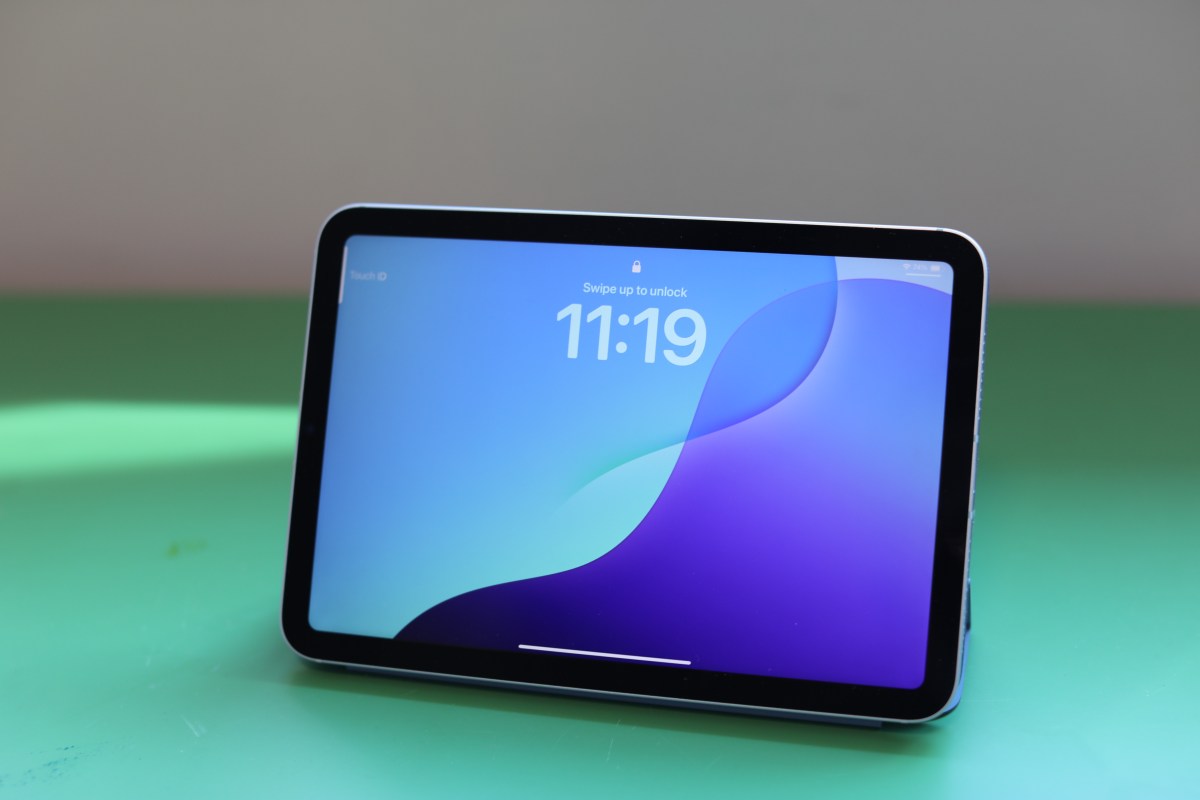
If you have been waiting for the right moment to upgrade your tablet, recent price adjustments on Amazon offer a compelling opportunity. Currently, the entry-level iPad is available for $299, providing a budget-friendly entry point into the Apple ecosystem. For those who prioritize portability and power, the latest iPad mini is also seeing significant attention, currently retailing at $500.
Why These Price Points Matter
The current market landscape for tablets is shifting, and these figures reflect broader trends in consumer electronics. While premium devices often command higher price tags due to advanced silicon and display technologies, these specific models represent the “sweet spot” for most users.
The $299 price tag for the base iPad is particularly notable. Historically, this model has served as the standard for students, casual media consumers, and those needing a reliable device for daily tasks like email and web browsing. By maintaining this competitive pricing, Apple continues to dominate the tablet market share, which, according to recent IDC reports, remains robust despite global economic fluctuations.
Choosing Between the Base iPad and iPad Mini
Deciding which device fits your lifestyle depends largely on how you intend to use it:
* The Base iPad: This is your go-to device for home use. Its larger screen real estate makes it ideal for streaming movies, attending video calls, or managing documents. It is the quintessential “family tablet” that balances performance with affordability.
* The iPad Mini: Designed for the mobile professional or the avid reader, the iPad mini offers a compact form factor that fits easily into a jacket pocket or a small bag. With the integration of the A17 Pro chip, it is surprisingly capable of handling intensive tasks, including light photo editing and high-end gaming, making it a powerhouse in a miniature package.
Market Context and Value
The context for these pricing strategies is rooted in the rising costs of manufacturing and the integration of more sophisticated hardware. As mobile processors become more efficient and capable of handling AI-driven tasks, the value proposition of a $500 tablet like the iPad mini has increased significantly.
When comparing these to previous generations, the current hardware offers a much longer “useful life.” For instance, the processing power found in today’s base models is equivalent to what was considered “Pro” level performance just a few years ago. Investing in these devices now ensures that your hardware will remain compatible with future software updates for several years to come, effectively lowering the total cost of ownership over time.
Whether you are looking for a reliable workhorse for your desk or a high-performance companion for your travels, these current Amazon offers provide a clear path to upgrading your tech without overextending your budget.
The Ripple Effects of the Global Memory Chip Drought on Consumer Electronics
The ongoing instability within the global semiconductor supply chain continues to send shockwaves through the technology sector, creating a persistent “memory crisis” that shows few signs of abating. As manufacturers struggle to keep pace with demand, the repercussions are becoming increasingly evident in the pricing strategies of industry giants.
The Shift Toward Artificial Intelligence Infrastructure
A primary driver of this scarcity is the strategic pivot by major memory producers. To maximize profitability and meet the insatiable appetite of the burgeoning artificial intelligence sector, chipmakers have prioritized the production of high-bandwidth memory (HBM) and other specialized components essential for AI data centers. This reallocation of manufacturing capacity has effectively squeezed the supply available for standard consumer electronics, forcing a competitive scramble for the remaining inventory.
Apple’s Diminishing Market Leverage
For a long time, industry analysts operated under the assumption that Apple’s massive procurement volume would act as a shield against market volatility. Given the company’s ability to dictate terms to its supply chain partners, many believed Apple could insulate its product lines from the broader component shortage. However, the recent surge in retail pricing confirms that even the most powerful tech companies are not immune to the laws of supply and demand. When the cost of raw components climbs high enough, even Apple’s immense bargaining power reaches a breaking point, forcing the company to pass those increased overheads onto the end user.
The Future of Retail Pricing and Market Adjustments
While third-party retailers like Amazon have historically offered Apple hardware at a discount compared to the official Apple Store, the sustainability of these deals is now in question. As the wholesale cost of these devices rises, the margins that allow for these third-party discounts are rapidly evaporating.
Consumers should anticipate a period of price correction across all retail channels. While Amazon may maintain its current pricing for a short window due to existing inventory buffers, these listings are inevitably tethered to the manufacturer’s suggested retail price. As the market stabilizes at this higher cost floor, it is highly probable that Amazon’s pricing will eventually align with Apple’s updated, higher price points. Whether this transition happens abruptly or gradually, the era of easily accessible, lower-cost hardware is currently facing a significant, supply-driven hurdle.



![[Interview] Jack Emery Discusses EP, Recent Tour, and Upcoming Plans](https://www.mixtv1.com/wp-content/uploads/2026/07/8989-attachment.jpg)