





Essential Pre-Departure Safety Checks: Navigating FCDO Travel Advisories
Before you head to the airport, your pre-flight checklist should extend beyond packing your suitcase and checking your boarding pass. To ensure a smooth and secure journey, it is critical to verify three fundamental pillars of travel: the validity of your passport, the comprehensive coverage of your travel insurance, and the current safety status of your destination as determined by the Foreign, Commonwealth and Development Office (FCDO).
Why Travel Advisories Matter
The FCDO continuously monitors global conditions to provide guidance for British nationals. Their recommendations are not arbitrary; they are based on rigorous assessments of political instability, the threat of terrorism, natural disasters, and local legal risks. Ignoring these warnings can have severe consequences.
Currently, the FCDO maintains travel advice pages for 226 countries and territories. Of these, approximately 33%-or 74 locations-feature specific “no-go” zones. These restrictions are implemented to protect citizens from environments where health risks are high, legal systems are incompatible with UK standards, or security is fundamentally compromised.
The Risks of Ignoring Official Guidance
Choosing to travel to a destination against FCDO advice is a high-stakes gamble. Beyond the immediate physical dangers, there are two major administrative repercussions:
* Voided Insurance: Most travel insurance policies contain clauses that render coverage null and void if you travel to a region against government advice. This leaves you personally liable for astronomical medical bills or emergency evacuation costs.
* Limited Consular Assistance: In a crisis, the UK government’s ability to provide support in “no-go” areas is severely restricted. If you find yourself in a conflict zone or facing detention, the FCDO may be unable to intervene or facilitate your safe exit.
Countries Where All Travel Is Advised Against
The FCDO currently advises against all travel to the following nations due to extreme volatility, high risks of arbitrary arrest, or active conflict:
- Afghanistan: Persistent instability and a highly volatile security environment.
- Belarus: A heightened risk of detention and arrest for foreign nationals.
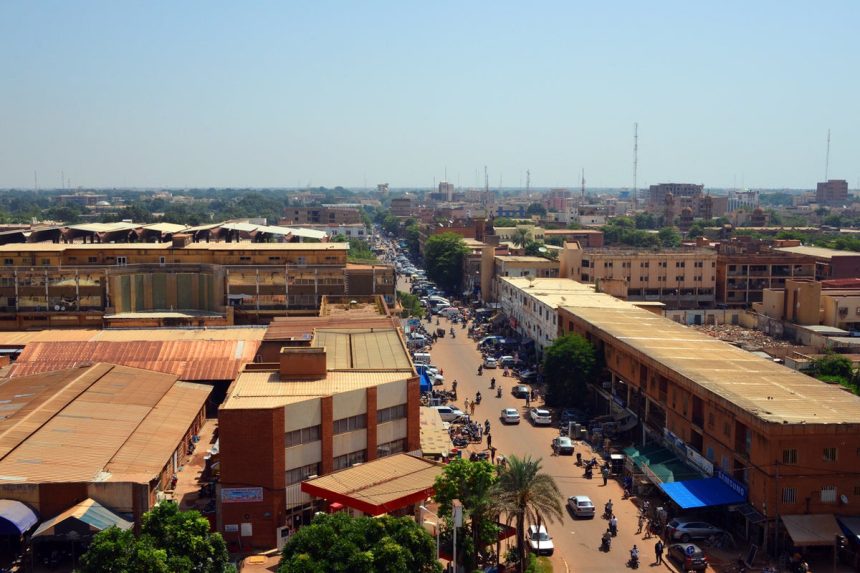
- Burkina Faso: Elevated threats of kidnapping and terrorist activity.
- Haiti: Severe civil unrest and a breakdown in local security.
- Iran: A significant risk of British nationals being detained or arrested.
- Mali: Unpredictable and dangerous security conditions.
- Niger: Increasing reports of criminal and terrorist-linked kidnappings.
- Russia: Risks stemming directly from the ongoing invasion of Ukraine.
- South Sudan: High levels of armed violence and widespread criminality.
- Syria: Ongoing civil conflict and extreme security unpredictability.
- Yemen: A long-standing, highly unstable security landscape.
Regional “No-Go” Zones
It is important to note that even in countries generally considered safe for tourism, the FCDO may advise against travel to specific border regions or provinces. These localized warnings are often due to spillover conflict or heightened criminal activity. Notable examples include:
* Algeria: Avoid areas within 30km of the borders with Libya, Mauritania, Mali, Niger, and Tunisia.
* Armenia & Azerbaijan: Exercise extreme caution within 5km of the shared border between these two nations.
* Benin: Avoid the northern border regions, which are prone to regional instability.
* Burundi: Specific communes, including Mugina, Cibitoke, and Bubanza, are currently flagged as high-risk areas.
Stay Informed
The global landscape is fluid. A destination that is safe today may face sudden political upheaval or environmental disaster tomorrow. Before finalizing your travel plans, always consult the official FCDO travel advice portal to ensure you have the most up-to-date information. Prioritizing your safety is the most
Global Travel Safety: High-Risk Zones and Restricted Regions to Avoid
Navigating international travel requires more than just a passport and a flight itinerary; it demands a rigorous assessment of geopolitical stability and regional security. Governments worldwide frequently update their travel advisories to protect citizens from escalating conflicts, civil unrest, and environmental hazards. Below is a comprehensive breakdown of regions currently classified as high-risk, categorized by the nature of the threats present.


Conflict-Driven Instability and Border Tensions
Many of the world’s most dangerous travel zones are defined by active military conflict or porous, volatile borders. Travelers are strongly urged to avoid these areas due to the high risk of kidnapping, cross-border violence, and unpredictable military operations.
* The Sahel and Central Africa: The security landscape in this region remains fragile. In Cameroon, the Bakassi Peninsula and the Far-North, North-West, and South-West regions are particularly hazardous, as are areas within 40km of the borders with Nigeria, Chad, and the Central African Republic. Similarly, Chad faces severe risks in its northern provinces (Borkou, Ennedi, and Tibesti) and the Lake Chad basin. Mauritania also mandates caution, specifically in its eastern territories and within 25km of the Malian frontier.
* The Middle East and Levant: Ongoing geopolitical friction makes several areas strictly off-limits. This includes the Gaza Strip, parts of the West Bank (Tulkarm, Jenin, and Tubas Governorates), and northern Israel. Lebanon is currently experiencing widespread instability, with significant risks in Beirut, the Beqaa and Baalbek-Hermel Governorates, and the city of Tripoli. Iraq remains dangerous in provinces such as Anbar, Ninawa, and Salah al-Din.
* South Asia: Border disputes continue to dictate safety protocols. In India, the 10km buffer zone along the Pakistan border and the entirety of Jammu and Kashmir are restricted. Pakistan maintains high-risk status for the Balochistan and Khyber Pakhtunkhwa provinces, as well as the 10-mile strip along the Afghan border.
Regions Facing Civil Unrest and Insurgency
Beyond international border disputes, internal insurgencies and civil strife create “no-go” zones for international visitors.
* Democratic Republic of the Congo (DRC): The eastern provinces and the Kwamouth territory are currently experiencing significant security challenges, compounded by the instability near the Central African Republic border.
* Myanmar: The political climate has led to widespread conflict across Chin, Kachin, Kayah, Kayin, and Rakhine States, as well as the Sagaing and Magway regions.
* Nigeria: Security remains a critical concern in the northeast (Borno, Yobe, Adamawa, and Gombe States) and the northwest (Katsina and Zamfara). Additionally, the riverine regions of the Niger Delta-including Bayelsa, Rivers, and Akwa Ibom-pose risks related to maritime crime and civil unrest.
* Mozambique: The Cabo Delgado province, along with sections of Nampula and Niassa, remains a hotspot for extremist activity.
Geopolitical “Frozen” Conflicts and Territorial Disputes
Some regions are classified as high-risk due to their status as disputed territories or areas with limited diplomatic oversight.
* Eastern Europe: Moldova’s Transnistria region remains a point of concern due to its unique political status and lack of central government control.
* The Caucasus: In Georgia, the breakaway regions of South Ossetia and Abkhazia are effectively outside the reach of standard consular assistance.
* The Horn of Africa: Eritrea maintains strict controls, with travel discouraged within 25km of its land borders. Djibouti advises against travel near the border with Eritrea. Ethiopia is currently experiencing widespread instability across the Tigray, Amhara, Afar, and Orom
Global Travel Safety: Understanding FCDO Advisories and Restricted Zones
Navigating international travel requires more than just a passport and a flight itinerary; it demands a clear understanding of the current geopolitical landscape. The UK’s Foreign, Commonwealth & Development Office (FCDO) regularly updates its travel guidance to ensure the safety of British citizens abroad. Whether you are planning a business trip or a humanitarian mission, staying informed about “no-go” zones and areas where travel is discouraged is critical.
Defining “Essential Travel” in High-Risk Environments
The FCDO often categorizes destinations based on risk levels, frequently advising against “all but essential travel.” It is important to note that the government does not provide a rigid checklist for what constitutes “essential.” Instead, the responsibility rests with the individual traveler. You must weigh your specific professional obligations or urgent family matters against the potential security threats in a given region. Before booking, conduct a thorough risk assessment based on your personal circumstances and the latest FCDO intelligence.
Regions Under Strict “No-Travel” Advisories
Certain locations are currently flagged as high-risk due to volatile security conditions, infrastructure collapse, or active conflict. Travelers are strongly urged to avoid these areas entirely:
- Cuba: Facing significant degradation of critical infrastructure, which may impact basic services.
- North Korea: Characterized by an unpredictable security environment that can shift without notice.
- Kuwait & Qatar: Due to reports of missile activity, citizens currently in these regions are advised to identify and utilize local shelter-in-place protocols immediately.
Geographic Restrictions: Border Zones and High-Risk Territories
Beyond country-wide warnings, the FCDO identifies specific “red zones”-often border regions or provinces-where the risk of crime, kidnapping, or armed conflict is elevated. Travelers should exercise extreme caution or avoid these specific areas:
Middle East and Africa
- Saudi Arabia: Avoid areas within 10km of the Yemeni border.
- Somalia: Travel is discouraged everywhere except for the western regions of Maroodijeh, Awdal, and Sahil.
- Sudan: Avoid all regions excluding the Bir Tawil Trapezoid and the Hala’ib Triangle.
- Togo: Maintain a distance of at least 30km from the Burkina Faso border.
- Tunisia: Exercise caution in the southern regions near the Libyan border and western areas bordering Algeria.
- Turkey: Stay clear of the 10km buffer zone along the Syrian border.
- Western Sahara: Avoid the “Berm” boundary line and all territory situated to the south and east of it.
Europe and the Americas
- Ukraine: The FCDO advises against travel to the entire country, with very limited exceptions in the far west.
- Venezuela: Avoid the Zulia state, the Orinoco Mining Arc, and all border regions. For the rest of the country, only essential travel is recommended.
Localized Advisories: Specific Provinces and Districts
In many nations, risk is localized to specific provinces or municipalities. Travelers should be aware of the following restricted zones:
- Latin America: High-risk zones include the Chapare region in Bolivia, specific river tributaries in Brazil’s Amazonas State, and various municipalities in Mexico (including parts of Sinaloa, Guerrero, and Michoacán). In Ecuador, avoid the seven coastal provinces and the 20km border zone with Colombia.
- Asia and Oceania: Exercise caution in the Chittagong Hill Tracts of Bangladesh, the Eastern Sabah islands in
Global Travel Safety: Updated High-Risk Regions to Avoid
Staying informed about international security conditions is a fundamental aspect of responsible travel planning. As of late June 2026, government advisory bodies have highlighted several specific regions where political instability, civil unrest, or localized conflict pose significant risks to foreign visitors. Travelers are strongly encouraged to review these updates before finalizing any international itineraries.
Geographic Zones Currently Under Travel Advisories
Security experts have identified the following areas as requiring heightened caution or complete avoidance due to ongoing volatility:
- Peru: The VRAEM region-encompassing the Apurímac, Ene, and Mantaro River valleys-remains a high-risk zone due to persistent security concerns.
- Rwanda: The Rusizi district is currently flagged for travelers, necessitating careful monitoring of local conditions.
- Tanzania: A 20-kilometer buffer zone extending from the border shared with Mozambique’s Cabo Delgado Province is considered hazardous.
- Thailand: Caution is advised in the southern provinces near the Malaysian border, as well as within a 20-kilometer radius of the Cambodian land border.
Understanding Regional Risk Factors
The nature of these advisories varies significantly by location. For instance, in regions like the Tanzania-Mozambique border, the primary concern is the potential for cross-border spillover of insurgent activity. Conversely, in parts of Southeast Asia, the risks are often tied to long-standing separatist tensions or localized border disputes.
It is important to note that these designations are dynamic. For example, recent shifts in geopolitical stability have led to the lifting of “do not travel” status in other parts of the world, such as the recent easing of restrictions for travelers heading to Dubai. This demonstrates that while some regions remain volatile, others can see rapid improvements in safety profiles.
Proactive Travel Planning
Before departing, travelers should consult their home country’s official foreign office or state department website for the most granular, real-time data. Beyond checking official maps, consider registering your trip with your local embassy. This ensures that you receive immediate alerts should the security situation in your destination change unexpectedly.
Last updated: June 29, 2026
Further Reading: Recent updates regarding the removal of travel warnings for the UAE.