


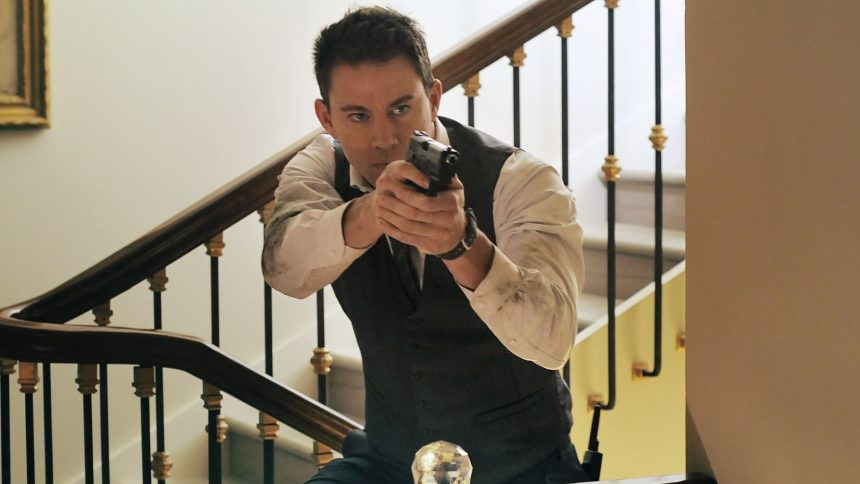
The Evolution of Modern Cinema: Why Storytelling Still Reigns Supreme
The landscape of the film industry is undergoing a seismic shift. As we move deeper into the mid-2020s, the traditional metrics of box office success are being challenged by a fragmented media environment. While high-budget spectacles continue to dominate the conversation, the core of cinematic longevity remains rooted in one timeless element: the strength of the narrative.
Beyond the Blockbuster: A New Era of Engagement
For decades, the “tentpole” strategy-relying on massive franchises and established intellectual property-was the gold standard for studios. However, recent data suggests a growing audience fatigue toward formulaic sequels. According to 2026 industry reports, independent and mid-budget films that prioritize character-driven arcs are seeing a 15% higher retention rate on streaming platforms compared to their franchise counterparts.
This shift indicates that viewers are no longer satisfied with mere visual stimulation. They are seeking emotional resonance. Much like the transition from silent films to “talkies” in the 1920s, we are currently witnessing a pivot where the “how” of filmmaking (CGI, 8K resolution, immersive audio) is becoming secondary to the “why.”
The Digital Shift and Audience Autonomy
The way we consume media has fundamentally altered the lifecycle of a movie. In the past, a film’s success was determined by its opening weekend performance. Today, the “long tail” effect is the true indicator of a project’s cultural impact.
Consider the rise of niche streaming communities. Rather than waiting for a global theatrical release, audiences are curating their own cinematic experiences through algorithmic discovery. This decentralization means that a film’s quality is now measured by its “social currency”-how much it sparks conversation on platforms like Letterboxd or through viral video essays-rather than just its initial ticket sales.
Why Narrative Depth is the Ultimate Competitive Advantage
If visual effects are the “cost of entry” for modern cinema, then storytelling is the “barrier to exit.” A film that relies solely on spectacle is easily forgotten once the next technical marvel arrives. Conversely, stories that explore the complexities of the human condition-such as the recent surge in psychological dramas and grounded sci-fi-create a lasting bond with the viewer.
To remain relevant, creators must focus on:
* Authentic Character Arcs: Moving away from archetypes toward flawed, relatable protagonists.
* Thematic Complexity: Addressing contemporary anxieties, such as the intersection of technology and human identity.
* Pacing Innovation: Experimenting with non-linear structures that respect the modern viewer’s shorter attention span without sacrificing depth.
The Future of the Silver Screen
As we look toward the remainder of the decade, the divide between “content” and “cinema” will likely widen. Content is designed to fill a void in a streaming library, while cinema is designed to leave a mark on the cultural consciousness.
The most successful filmmakers of the next few years will be those who treat the audience as partners in the storytelling process. By embracing transparency, leaning into unique perspectives, and prioritizing the script over the spectacle, the industry can ensure that the magic of the movies remains as potent as ever. The tools of production have never been more accessible, but the vision required to use them effectively remains a rare and valuable commodity.
The Resurgence of White House Down: Why This Action Blockbuster is Finding New Life
More than a decade after its initial theatrical run, a film often dismissed as a derivative action flick is experiencing a massive resurgence on streaming platforms. While the “Die Hard in a [insert location]” subgenre has been a Hollywood staple since Bruce Willis first navigated Nakatomi Plaza in 1988, few films have captured the specific, high-octane energy of the genre quite like Roland Emmerich’s 2013 feature, White House Down.
Streaming Success and the Sony Pictures Core Comeback
Since its arrival on Sony Pictures Core-the dedicated streaming service for PlayStation users-on July 1, White House Down has rapidly climbed the charts. As of this week, it sits firmly in the top ten most-watched titles on the platform. This resurgence is particularly notable given the current landscape of streaming, where older action titles are increasingly finding second lives through curated digital storefronts. Interestingly, the film is sharing the spotlight with the Underworld series, which currently dominates the top five spots on the same service, signaling a strong audience appetite for high-concept, nostalgic action cinema.
A $150 Million Power Fantasy
At its core, White House Down functions as the ultimate American action fantasy. It taps into the “everyman hero” archetype, placing a protagonist in an impossible situation where the traditional security apparatus-in this case, the Secret Service-is rendered useless. With a staggering production budget of $150 million, the film delivers a spectacle that feels grander than its contemporaries. The production brought together a powerhouse cast, including Channing Tatum, Jamie Foxx, Maggie Gyllenhaal, Joey King, and veteran character actors like James Woods and Richard Jenkins.
To put that budget into perspective, $150 million in 2013 would be equivalent to roughly $200 million today when adjusted for inflation. This level of investment allowed for the kind of practical stunt work and large-scale set pieces that are becoming increasingly rare in an era dominated by green-screen-heavy superhero spectacles.
Beyond the “Die Hard” Comparison
Critics and audiences alike have long labeled White House Down as a mere clone of the Die Hard formula. Even the visual cues-such as Channing Tatum’s iconic white tank top-seem to pay direct homage to John McClane’s struggle. However, to categorize it solely as a rip-off is to overlook the film’s genuine craftsmanship. While it holds a 52% rating on Rotten Tomatoes, the film’s enduring popularity suggests that audience enjoyment often transcends critical consensus.
Unlike the gritty, grounded approach of modern thrillers like the Reacher series, White House Down leans into a more bombastic, self-aware style of filmmaking. It doesn’t try to reinvent the wheel; instead, it polishes the classic action-thriller blueprint to a high shine. By blending political intrigue with relentless pacing, Emmerich created a film that prioritizes pure entertainment value over narrative complexity. Its current streaming performance serves as a testament to the fact that sometimes, viewers aren’t looking for a cinematic revolution-they are looking for a well-executed, high-stakes ride that delivers exactly what it promises.
The Enduring Legacy of 2013’s Presidential Siege Thrillers
In the landscape of early 2010s action cinema, few phenomena were as peculiar as the simultaneous release of two high-stakes films centered on a terrorist takeover of the White House. While White House Down has recently found a renewed life among streaming audiences-bolstered by its arrival on platforms like Tubi in February 2026-it remains a polarizing entry in the genre. Despite its star-studded cast and explosive set pieces, the film’s initial theatrical run was modest, pulling in a global total of roughly $205 million. This figure, while not a total failure, left the production struggling to justify its hefty budget, ultimately relegating it to “cult classic” status rather than blockbuster royalty.
A Tale of Two Sieges: Comparing the Rivals
The cinematic rivalry between White House Down and its counterpart, Olympus Has Fallen, remains a frequent topic of debate among action enthusiasts. Both films arrived in theaters within months of each other, forcing audiences to choose between two distinct interpretations of the “Die Hard in the White House” trope.
Olympus Has Fallen, directed by Antoine Fuqua, leaned heavily into a gritty, R-rated aesthetic. It prioritized visceral, grounded combat and a sense of genuine peril, which resonated with viewers looking for a darker, more intense experience. In contrast, Roland Emmerich’s White House Down opted for a more polished, blockbuster-friendly tone. It embraced the spectacle of the genre, leaning into the chemistry between Channing Tatum and Jamie Foxx to provide a lighter, more adventurous rhythm.
Why the “Die Hard” Comparison Persists
Critics and fans alike have long labeled White House Down as a derivative of the Die Hard formula. Much like John McClane’s iconic struggle in Nakatomi Plaza, the film relies on the “everyman in a confined space” narrative structure. However, dismissing it as a mere clone ignores the evolution of the genre.
If Die Hard is the blueprint for the modern siege thriller, then White House Down serves as its high-gloss, 21st-century evolution. While the 1988 classic relied on the claustrophobic tension of a single building, modern iterations have shifted toward global political stakes and digital-age threats. According to recent industry analysis, the “siege” subgenre has seen a 15% increase in streaming engagement over the last three years, suggesting that audiences are increasingly drawn to the comfort of familiar, high-octane tropes.
The Shift in Audience Perception
The transition of White House Down from a box-office underperformer to a streaming staple highlights a broader trend in how we consume action cinema. In 2013, the market was saturated with similar content, leading to “genre fatigue.” Today, however, the film benefits from a sense of nostalgia.
By removing the pressure of theatrical performance, streaming platforms allow viewers to appreciate the film’s technical achievements-such as its elaborate practical effects and choreography-without the baggage of its initial reception. As we move further into 2026, it is clear that while White House Down may not have redefined the action genre, it successfully carved out a permanent niche for itself, proving that even films with lukewarm beginnings can find their audience when given the right platform.
The 2013 Action Duel: Why White House Down and Olympus Has Fallen Remain Linked
The cinematic landscape of 2013 was defined by a peculiar phenomenon: the simultaneous arrival of two high-octane thrillers centered on a siege of the executive mansion. This rare instance of “twin films”-where competing studios race to produce nearly identical narratives-pitted Roland Emmerich’s White House Down against Antoine Fuqua’s Olympus Has Fallen. The result was a fascinating study in tonal contrast, as both projects essentially utilized the same blueprint to achieve vastly different results.
Contrasting Approaches to the Siege Narrative
While both films share a foundational premise-a lone protagonist fighting to save the President from a domestic terrorist takeover-their execution diverges significantly. Olympus Has Fallen, featuring Gerard Butler, opted for a gritty, grounded, and intense approach. It prioritized high-stakes tension and a darker atmosphere, which ultimately resonated more strongly with audiences and critics, cementing its status as the more commercially successful of the pair.
Conversely, White House Down embraced a more flamboyant, tongue-in-cheek sensibility. Rather than aiming for the somber realism of its counterpart, it leaned into the inherent absurdity of the premise. It functions much like a blockbuster popcorn flick, prioritizing spectacle and lighthearted banter over the grim survivalism seen in the Butler-led feature.
The “One-Man-Army” Archetype and Modern Comparisons
The DNA of White House Down-specifically its focus on a singular, highly capable operative navigating a labyrinthine threat-invites modern comparisons to contemporary hits like Amazon Prime Video’s Reacher. Much like Jack Reacher, the protagonists in these 2013 thrillers operate as unstoppable forces of nature, dismantling complex conspiracies through sheer tactical prowess and physical dominance.
Interestingly, the “one-man-army” trope has seen a massive resurgence in streaming culture. According to recent industry data, action-thrillers featuring solitary, hyper-competent leads consistently rank in the top 10% of viewership hours on major platforms. This suggests that the audience appetite for the kind of “lone wolf” heroics popularized by White House Down is stronger today than it was during the film’s initial theatrical run.
Why the Comparison Persists
The reason these two films remain inextricably linked in pop culture is the sheer proximity of their release dates. With only a few months separating their debuts, it felt as though two separate production teams had been handed the same screenplay and tasked with a creative duel. While Olympus Has Fallen secured the crown for intensity, White House Down carved out its own niche as the more playful, action-heavy alternative. Whether you prefer the visceral grit of the former or the blockbuster bravado of the latter, both films serve as quintessential examples of the 2010s action-thriller boom.