
![It Ends Director Alex Ullom On Why Liminal Horror Is So Popular [Exclusive]](https://www.mixtv1.com/wp-content/uploads/2026/08/24022-attachment.jpg)




Supergirl Box Office Struggles: A Historic Decline for the DCU
The latest entry in the DCU, Supergirl, has officially crossed the $100 million threshold globally. However, this milestone is overshadowed by a catastrophic second-weekend performance that cements its status as one of the most significant box office collapses in the history of the superhero genre.
A Steep Descent in Ticket Sales
Following a lackluster debut, the film-starring Milly Alcock-has faced a brutal reality check. During its second weekend, the movie pulled in a mere $9.6 million domestically and $9.4 million from international markets. This represents a staggering 74% plummet from its initial $37.1 million domestic opening.
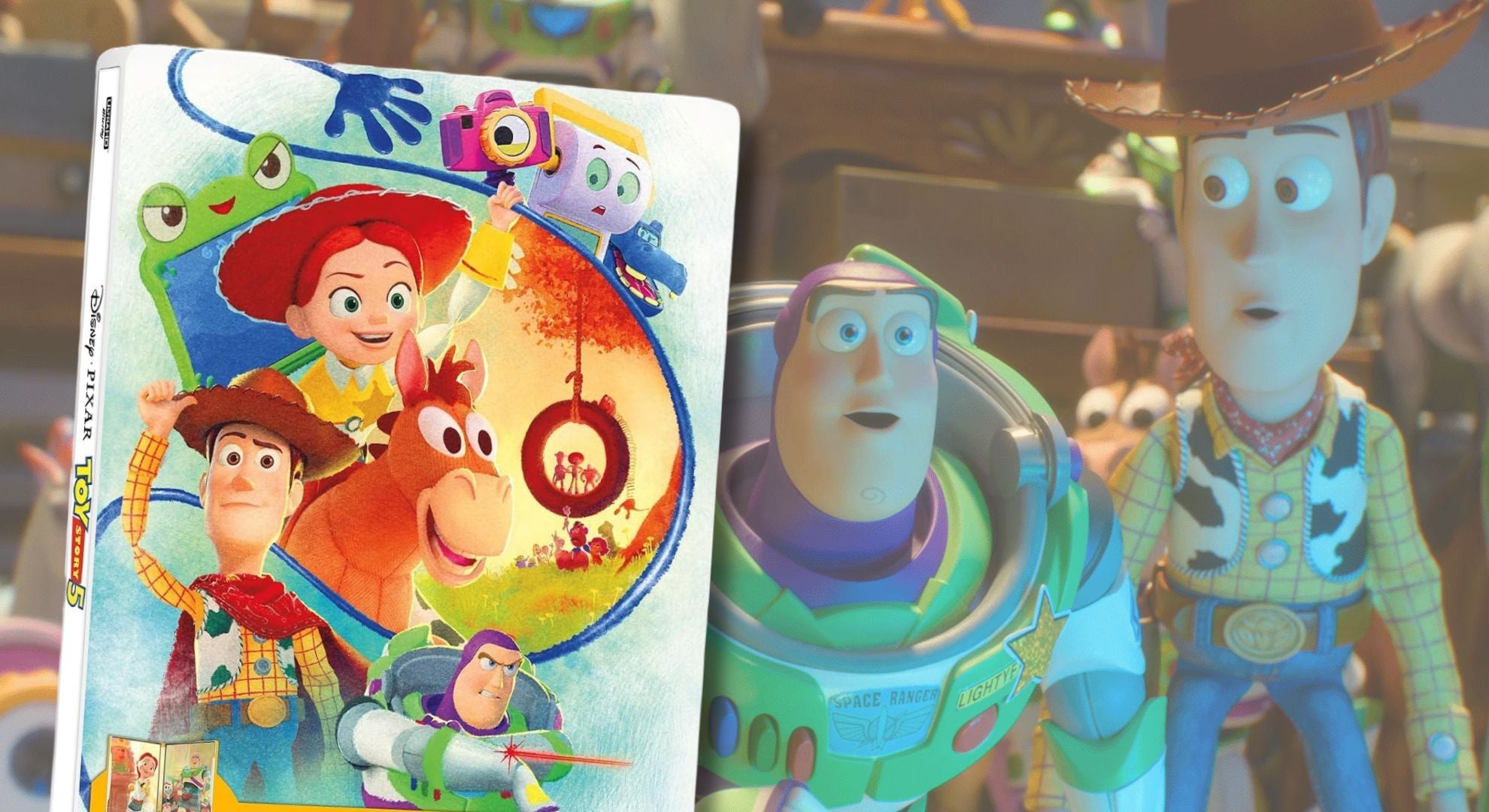
To put this decline into perspective, a 74% drop is statistically rare for major studio tentpoles. It places Supergirl in the same unfortunate category as other notable comic book underperformers, including the 81% drop seen by Joker: Folie à Deux, the 78% slide of The Marvels, and the 72% decline experienced by The Flash. As of the latest reporting, the film sits in fourth place globally, trailing behind heavy hitters like Minions & Monsters, Toy Story 5, and the historical drama Young Washington.
Financial Viability and Break-Even Challenges
The financial outlook for the project is increasingly grim. With a production budget estimated at $170 million, supplemented by a $120 million marketing spend, industry analysts suggest that Warner Bros. would need to generate roughly $300 million in ticket sales just to reach the break-even point.
Given the current trajectory, the film is falling far short of these requirements. While early theatrical projections suggested a total run of approximately $200 million, the reality of the second-weekend crash indicates that the studio could face losses exceeding $100 million. This performance serves as a sobering reminder of the volatility in the current superhero market, where audience fatigue and shifting viewer preferences are making it harder for even established comic book properties to maintain momentum beyond their opening frames.
The Broader Context of Superhero Fatigue
The struggle of Supergirl is not an isolated incident but rather part of a broader trend affecting the industry. As the market becomes increasingly saturated with franchise content, audiences are becoming more selective. Recent data from the 2026 summer season shows that while family-oriented animation and established legacy sequels continue to thrive, standalone superhero origin stories are finding it significantly more difficult to capture the “must-see” status required to sustain a long theatrical life. For Warner Bros. and DC Studios, this result necessitates a strategic re-evaluation of how they market and position their upcoming slate to avoid similar financial pitfalls in the future.
DCU’s Uncertain Future: Analyzing the Supergirl Box Office Slump
The recent performance of Supergirl has sent shockwaves through the industry, with a staggering 74% drop in ticket sales that signals a difficult road ahead for DC Studios. While the studio had hoped for a strong start, this sharp decline suggests that even modest financial targets will be an uphill battle. As the second major pillar of the new DCU, Supergirl was intended to be a cornerstone of the franchise, but its lackluster reception has cast a shadow over the studio’s immediate momentum.
Leadership Remains Resolute Amidst Financial Headwinds
In the wake of a disappointing opening weekend, DC Studios co-CEO Peter Safran addressed the situation in an interview with The New York Times. While acknowledging that the film failed to hit internal financial benchmarks, Safran emphasized that the studio is playing the long game. “It’s just one component of a broader, long-term strategy at DC Studios that we remain confident in,” he stated, framing the underperformance as a singular hurdle rather than a systemic failure.
Industry analysts, however, point to the volatility of the current superhero market. With audience fatigue becoming a measurable trend, studios are finding that even established IP requires more than just brand recognition to succeed. Recent data suggests that audiences are increasingly selective, often waiting for streaming releases rather than flocking to theaters for mid-tier franchise entries.
The Road Ahead: What’s Next for the DCU?
While the debut of Superman provided a much-needed spark for the DCU, the pressure is now on the studio to ensure that Supergirl does not become a permanent stain on the brand’s reputation. The upcoming slate is diverse, aiming to pivot away from traditional superhero tropes to keep viewers engaged:
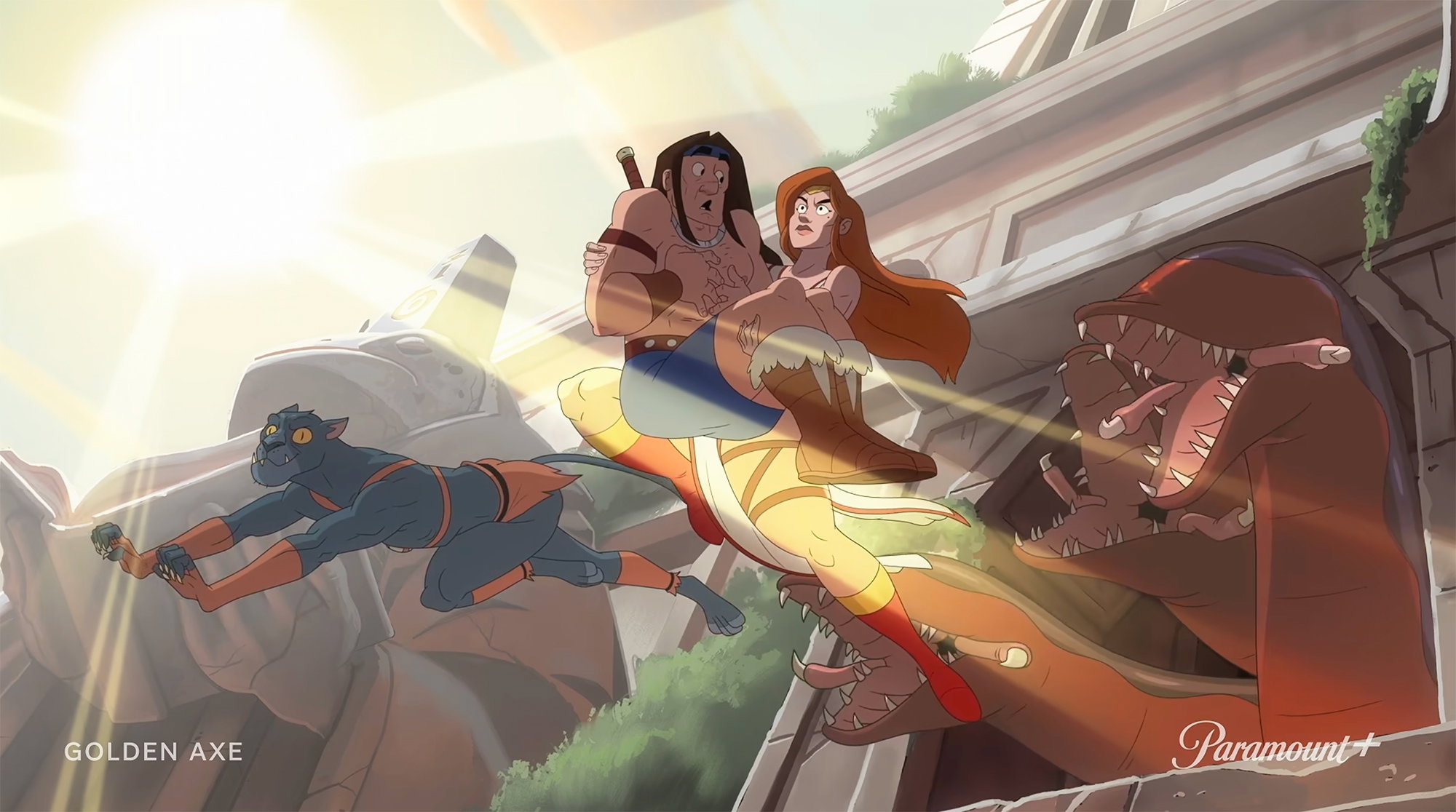
* Clayface (October 2026): A bold departure into the body horror genre, this film represents a significant tonal shift for the studio.
* Lanterns (August 2026): A highly anticipated television series that will test the strength of the DCU’s small-screen expansion.
* Man of Tomorrow (July 2027): The direct sequel to Superman, which is expected to be the true litmus test for the franchise’s long-term viability.
Behind the Scenes and Future Prospects
Despite the current box office woes, Milly Alcock is confirmed to reprise her role as Supergirl in Man of Tomorrow. Safran has hinted that her character remains integral to the overarching narrative of the DCU, suggesting that the studio is committed to its casting choices regardless of the initial reception.
However, the project has not been without its internal friction. Reports have surfaced regarding creative disagreements between DC Studios leadership and director Craig Gillespie, which some insiders believe contributed to the disjointed nature of the final cut. For those interested in a deeper dive, our full review of Supergirl provides a critical breakdown of where the film succeeded and where it ultimately faltered. As the DCU continues to evolve, the studio will need to reconcile these creative differences to ensure that future installments resonate more effectively with both critics and fans.
Navigating the Modern Landscape: A Strategic Overview
In today’s rapidly evolving digital ecosystem, staying ahead requires more than just keeping pace-it demands a fundamental shift in how we approach information and decision-making. Whether you are optimizing business operations or refining personal productivity, understanding the core mechanics of your environment is essential. This guide breaks down the critical components necessary to thrive in an increasingly complex world.
The Evolution of Strategic Decision-Making
Gone are the days when intuition alone could drive success. Modern strategy is now anchored in data-driven insights and agile methodologies. According to recent industry reports, organizations that leverage real-time analytics for decision-making see a 20% increase in operational efficiency compared to those relying on traditional, static models.
To adapt, consider these three pillars:
* Predictive Modeling: Moving from reactive problem-solving to anticipating market shifts before they occur.
* Resource Optimization: Utilizing AI-driven tools to allocate human and capital resources where they generate the highest ROI.
* Iterative Feedback Loops: Implementing systems that allow for rapid testing and refinement, much like a pilot adjusting flight paths based on live weather telemetry.
Why Adaptability is Your Greatest Asset
The concept of “static planning” is becoming obsolete. In a volatile market, the ability to pivot is the ultimate competitive advantage. Think of it like a high-performance sports car: it isn’t just about the engine’s raw power, but the precision of the suspension and the responsiveness of the steering that allows it to navigate tight corners at high speeds.
Recent statistics highlight that 75% of high-growth companies prioritize “organizational fluidity” over rigid long-term planning. This means fostering a culture where team members are empowered to make micro-adjustments to their workflows without waiting for top-down approval.
Practical Frameworks for Implementation
To translate these concepts into actionable results, focus on these core areas:
- Streamlining Communication: Eliminate silos. When information flows freely across departments, the speed of innovation accelerates.
- Leveraging Automation: Automate repetitive, low-value tasks to free up cognitive bandwidth for high-level strategic thinking.
- Continuous Learning: The half-life of professional skills is shrinking. Investing in ongoing education is no longer a luxury; it is a prerequisite for relevance.
Final Thoughts: Building for the Future
Success in the current climate is not about finding a “perfect” solution, but about building a resilient framework that can withstand change. By integrating data-backed strategies with a flexible mindset, you position yourself not just to survive the shifts in your industry, but to lead them. As you move forward, remember that the most successful entities are those that view change not as a disruption, but as an invitation to innovate.