




The “Cleanification” of Streaming: Why Explicit Lyrics Are Vanishing from the Top 50
The landscape of popular music is undergoing a quiet but significant transformation. Recent data indicates a dramatic shift in the content dominating global streaming charts, specifically regarding the prevalence of explicit language. According to a comprehensive analysis by music data researcher Daniel Parris, featured in his Stat Significant newsletter, the presence of tracks bearing the “Parental Advisory” label within Spotify’s Top 50 has plummeted by 61% over the last eight years.
A Statistical Shift in Chart Dominance
The numbers tell a compelling story of changing listener habits. In 2018, explicit content was the undisputed king of the charts, accounting for a staggering 74% of the songs in Spotify’s Top 50. Fast forward to January 2026, and that figure has dwindled to a mere 13%. This isn’t just a minor fluctuation; it represents a fundamental pivot in what the general public is choosing to stream on a daily basis.
The Rise of “Legacy” Hits and Genre Fatigue
Why is this happening? Parris points to two primary drivers. First, there is the “nostalgia factor.” Modern charts are increasingly populated by timeless anthems that predate the streaming era. Tracks like The Killers’ “Mr. Brightside,” Journey’s “Don’t Stop Believin’,” and The Goo Goo Dolls’ “Iris” have become permanent fixtures in the Top 50. Because these songs were released in an era where radio-friendly edits were the standard, they naturally lack the explicit tags associated with modern, aggressive production styles.
Secondly, the industry is witnessing a cooling period for hip-hop-a genre that has historically been the primary carrier of explicit lyrical content. As hip-hop’s total share of global streams stabilizes after a decade of exponential growth, the sheer volume of explicit tracks entering the charts has naturally receded.
The “Forbidden Fruit” Legacy and the New Normal
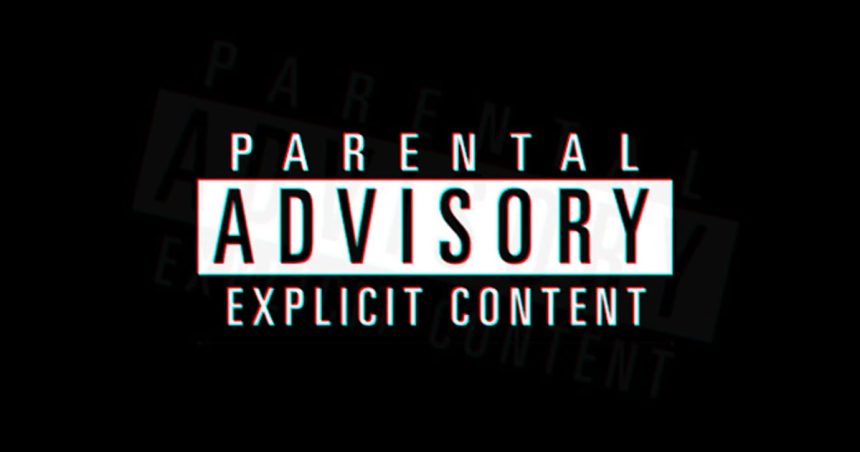
Parris characterizes this movement as the “cleanification” of the mainstream. Rather than suggesting that society has suddenly become more conservative, he posits that we are witnessing a market correction. To understand this, we must look back at the 1985 Parents Music Resource Center (PMRC) campaign. Led by Tipper Gore, the initiative aimed to shield youth from provocative themes by introducing the now-iconic parental advisory stickers.
History suggests that the PMRC’s efforts inadvertently triggered a “forbidden fruit” effect. By attempting to censor or label music, the campaign made explicit content more alluring to younger generations, fueling a decades-long surge in provocative lyrics. Today’s decline suggests that the novelty of explicit content has worn off. As streaming platforms become the primary utility for music consumption, the “rebellious” appeal of explicit labeling has lost its edge, leading to a more balanced, diverse, and-ultimately-cleaner chart environment.
This trend aligns with broader industry reports, such as the 2025 IMS findings, which highlight that while streaming remains the fastest-growing sector in the music business, the *type* of music being consumed is shifting toward broader, multi-generational appeal rather than niche, high-intensity subcultures.