




Nintendo’s Shift Toward User-Replaceable Batteries: What European Regulations Mean for Future Hardware
The gaming landscape is undergoing a significant transformation, driven not just by technological leaps, but by legislative mandates. Nintendo has officially confirmed that it is pivoting its hardware design to accommodate user-replaceable batteries, a move necessitated by evolving European Union sustainability standards.
Adapting to EU Sustainability Mandates
Back in early 2024, industry whispers suggested that Nintendo would eventually need to overhaul its hardware architecture to comply with stringent EU battery regulations. These laws, designed to reduce electronic waste and extend the lifecycle of consumer devices, require manufacturers to ensure that batteries are easily removable and replaceable by the end user. With the full weight of these regulations set to take effect in February 2027, Nintendo is proactively adjusting its production pipeline.
According to an official statement from Nintendo UK, the transition will begin in the summer of 2026. The company plans to roll out revised versions of its hardware across the European market, ensuring that all new units shipped after this date feature accessible battery compartments.
Hardware Revisions: The Trade-offs of Repairability
While Nintendo has emphasized that the core functionality and gaming experience of these revised consoles will remain identical to the original models, the physical specifications are seeing minor adjustments. Integrating a user-replaceable battery mechanism requires additional internal housing and structural support, which inevitably impacts the device’s weight and power density.
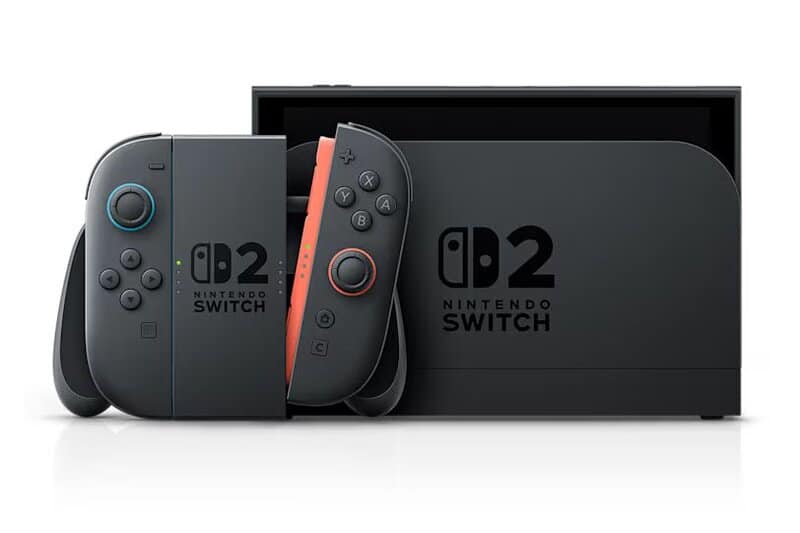
For the upcoming Switch 2, users can expect a slight increase in weight, moving from 401g to 411g. To accommodate the new battery mounting system, the capacity will see a marginal reduction, dropping from 5220mAh to 5172mAh. This trend extends to the peripheral ecosystem as well; the Switch 2 Joy-Cons, along with the retro-inspired Nintendo 64 and GameCube controllers for Nintendo Switch Online, will also experience a slight uptick in mass and a corresponding decrease in total battery capacity.
Global Implications and Consumer Sentiment
This shift raises an interesting question for the global gaming community: will these “repair-friendly” models remain exclusive to Europe? While the current mandate is regional, the logistical complexity of maintaining two separate manufacturing lines-one for the EU and one for the rest of the world-might encourage Nintendo to adopt the replaceable battery design as a global standard.
From a consumer perspective, the reception is likely to be mixed. Enthusiasts who prioritize device longevity and the ability to perform DIY repairs will likely welcome the change, viewing the minor weight increase as a fair trade-off for a console that doesn’t become obsolete the moment its battery degrades. Conversely, those who prioritize maximum battery life and lightweight portability may view these revisions as a step backward. Ultimately, as the “Right to Repair” movement gains momentum globally, Nintendo’s move could serve as a blueprint for how major hardware manufacturers balance high-performance gaming with environmental responsibility.