




The Future of Xbox: Strategic Shifts and Emerging Priorities
While the long-term roadmap for Microsoft’s gaming division remains shrouded in a degree of ambiguity, recent corporate maneuvers and public statements have begun to crystallize the company’s overarching vision. As the industry pivots away from traditional hardware-centric models, Xbox is clearly recalibrating its strategy to prioritize ecosystem ubiquity and service-based growth.
Beyond the Console: A Platform-Agnostic Approach
The traditional narrative of “console wars” is rapidly losing relevance. Microsoft is increasingly positioning Xbox not merely as a piece of hardware sitting under a television, but as a comprehensive software and services layer that permeates multiple devices. By leveraging the reach of the cloud, the company is effectively decoupling its library from proprietary silicon.
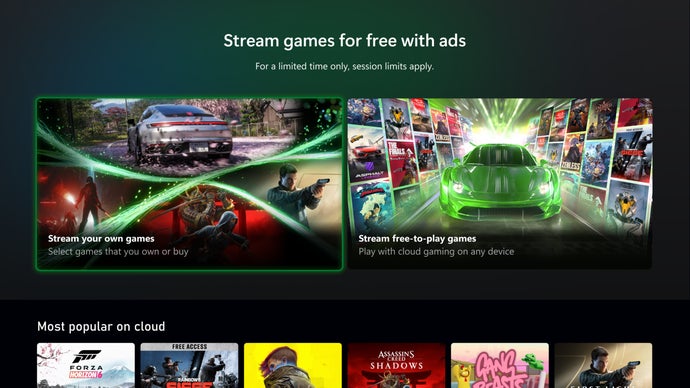
Recent industry data underscores this transition. According to 2025 market analysis, cloud gaming engagement has seen a year-over-year growth of nearly 22%, signaling that consumers are becoming increasingly comfortable accessing high-fidelity experiences via smart TVs, mobile devices, and low-spec laptops. Xbox is leaning heavily into this trend, ensuring that their Game Pass subscription remains the primary gateway for players, regardless of their preferred hardware.
Refining the Content Pipeline
A significant portion of Xbox
The Xbox Transformation: A Strategic Realignment of Its Gaming Portfolio
The landscape of the gaming industry is undergoing a seismic shift as Microsoft initiates a comprehensive restructuring of its Xbox division. This “hard reset” involves a significant reduction in its internal footprint, characterized by divestments, layoffs, and a narrowed focus on core intellectual properties. As the company pivots, the ripple effects are being felt across its entire ecosystem.
## The New Independence: Divestments and Studio Shifts
Microsoft is actively streamlining its operations by offloading several key development teams. The company is currently in the process of spinning off four studios, with a fifth potentially slated for divestment in the near future.
In a notable move toward autonomy, both Double Fine and Compulsion Games are transitioning back to independent status. To facilitate this, Microsoft is providing “runway funding,” allowing these studios to retain ownership of their established intellectual properties. Meanwhile, the future of Undead Labs and Ninja Theory remains in flux, as they have been sold to undisclosed third-party buyers. Perhaps most uncertain is the status of Arkane Studios; Xbox leadership has confirmed that they are currently evaluating “potential strategic options” for the team, leaving their long-term affiliation with the brand in question.
## Navigating the Workforce Reduction
The human cost of this restructuring is substantial. Microsoft has announced a total reduction of 3,200 positions across the Xbox division. While approximately 350 of these layoffs are directly linked to the four studios currently being divested, this figure excludes the personnel impact at Arkane Studios.
For the teams remaining under the Microsoft umbrella, the path forward remains opaque. In a recent official statement on Xbox Wire, CEO Asha Sharma noted that the scale of workforce reductions will “vary in size” across the remaining departments. Despite these significant organizational changes, Sharma emphasized that no current game development projects have been canceled, suggesting that the company intends to maintain its existing pipeline even with a leaner workforce.
## The Future of the Xbox Ecosystem
While the full scope of this transition is still coming into focus, the studios Microsoft has chosen to retain offer a clear window into their future priorities. By analyzing which franchises are being kept in-house, industry observers can begin to map out the next era of Xbox gaming.
The current strategy appears to be a move toward consolidation, focusing resources on high-performing pillars rather than a broad, sprawling portfolio. As the industry watches these developments unfold, the primary question remains: how will this leaner, more focused Xbox compete in an increasingly crowded market?
*Note: The specific impact on headcount at individual retained studios remains fluid. This report will be updated as further details regarding the restructuring emerge.*
## The Activision Pillar
[Content regarding Activision to be expanded here…]
While the industry continues to digest the latest wave of restructuring at Microsoft, all eyes are turning toward the upcoming BlizzCon event, scheduled for September 12-13. This convention is expected to serve as the primary stage for Blizzard to
The Strategic Realignment of Xbox Game Studios: A Look at Key Pillars
As Microsoft continues to refine its internal development strategy, the Xbox Game Studios ecosystem is undergoing a noticeable consolidation. Rather than spreading resources thin, the company is doubling down on its most iconic intellectual properties, ensuring that its flagship franchises receive the dedicated attention required to dominate the current console generation.
The Coalition and the Future of Gears
The Coalition remains a cornerstone of the Xbox portfolio, with its efforts firmly anchored in the Gears of War universe. This commitment is hardly unexpected, especially as the studio prepares for the highly anticipated launch of Gears of War: E-Day. Positioned as a critical holiday title for the Xbox Series X, the game is slated for an October 6 release. By focusing on this high-stakes project, The Coalition is clearly aiming to revitalize the series’ reputation for technical excellence and visceral, cover-based combat.
Halo Studios: Navigating a New Era
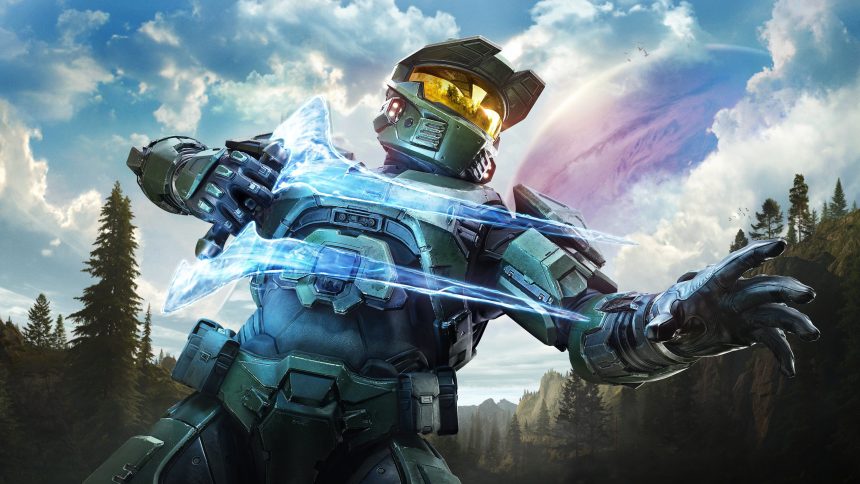
Halo Studios continues to operate as a vital component of the Xbox family, though it currently finds itself at a crossroads. The team is heavily invested in Halo: Campaign Evolved, a ground-up reimagining of the original title that defined the franchise, with a scheduled arrival on July 28.
While this remake is a priority, the studio’s long-term roadmap remains shrouded in mystery. Industry whispers suggest that the team may have recently shuttered development on a multiplayer-focused initiative known as “Project Ekur.” While Microsoft has maintained a policy of silence regarding these reports, the potential cancellation highlights a broader industry trend: major publishers are increasingly pivoting away from speculative live-service projects to focus on core, single-player experiences that offer more predictable engagement.
Mojang Studios: Beyond the Block
Mojang Studios continues to be a juggernaut within the Microsoft ecosystem, largely due to the evergreen success of Minecraft. With over 140 million monthly active users globally as of recent reports, the studio’s influence extends far beyond traditional gaming.
The studio is currently balancing the ongoing support of its flagship sandbox title with the exploration of new spin-offs. By leveraging the Minecraft brand, Mojang is effectively diversifying its portfolio, ensuring that the franchise remains relevant across multiple genres-from action-RPGs to strategy titles-while maintaining the creative freedom that made the original game a cultural phenomenon. This strategy of “brand expansion” allows Xbox to maintain a massive, multi-generational audience without relying solely on the traditional blockbuster release cycle.
The Evolving Landscape of Xbox Game Studios: Obsidian, Playground, and Turn 10
The strategic direction of Obsidian Entertainment within the Xbox ecosystem remains a subject of intense speculation. While the studio is currently occupied with post-launch support for Grounded 2 and upcoming expansions for The Outer Worlds 2-as noted in recent industry reports-their long-term roadmap is notably absent of a “tentpole” project comparable to the scale of Halo or Gears of War. However, industry observers often point to Obsidian’s pedigree with Fallout: New Vegas as a critical asset. With Bethesda Game Studios heavily committed to the lengthy development cycle of The Elder Scrolls 6, the potential for Obsidian to revisit the Fallout universe remains a tantalizing, albeit unconfirmed, possibility for the Xbox portfolio.
Playground Games: The Last Pillar of the 2018 Expansion
Following the successful launch of Forza Horizon 6 and the highly anticipated arrival of Fable scheduled for next year, Playground Games has solidified its status as a cornerstone of Microsoft’s gaming division. Yet, their position is unique when viewed through a historical lens. Playground Games stands as the sole survivor of the aggressive 2018 acquisition spree that saw Xbox bring multiple developers under its umbrella, including Compulsion Games, Undead Labs, and Ninja Theory.
This consolidation highlights the volatility of the industry. A stark example of