

The VR Industry Faces a Wave of Contractions: Closures and Layoffs Hit Major Titles
The virtual reality gaming sector is currently navigating a turbulent period, characterized by a series of strategic pivots, project cancellations, and studio downsizing. As the initial “gold rush” of VR adoption stabilizes, developers are finding it increasingly difficult to maintain the financial momentum required to support live-service titles. This month, the industry has been hit by a fresh wave of bad news, ranging from staff reductions at high-profile studios to the total sunsetting of established multiplayer experiences.
Combat Waffle Studios Navigates Market Realities
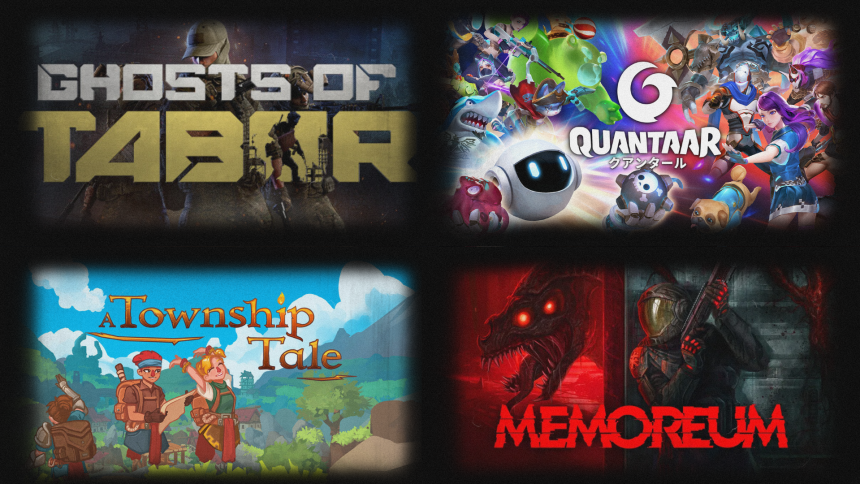
The team behind the hit extraction shooter Ghosts of Tabor, Combat Waffle Studios, has officially confirmed a reduction in its workforce. CEO Scott Albright addressed the situation in a recent statement, framing the layoffs as a necessary measure to ensure the company’s long-term viability in a shifting economic landscape.
Albright noted that the decision was largely triggered by the unexpected cancellation of a project being developed in collaboration with a major platform partner-a move that has fueled industry speculation regarding the tightening of funding from giants like Meta. Despite this setback, the studio emphasized that Ghosts of Tabor remains their primary focus.
The game has been a standout success story in the VR space, having generated over $30 million in revenue by the time it expanded to the PlayStation VR2. By integrating high-profile intellectual properties like The Terminator and Splinter Cell, the developers have successfully maintained player engagement. Moving forward, the studio intends to double down on the Tabor ecosystem, signaling that while the team is smaller, their commitment to their flagship title is unwavering.
The End of an Era: A Township Tale and Quantaar
The struggle to sustain live-service models is not limited to combat-focused games. Alta, the developer behind the beloved open-world RPG A Township Tale, has announced that it will be shuttering the game’s servers on July 20th.
This closure marks the end of a long journey for the title, which first entered pre-alpha in 2018 before finding a massive audience on the Meta Quest in 2021. Co-founder Joel van de Vorstenbosch cited the broader downturn in the VR market as the primary driver for the decision. This follows the studio’s earlier move to cease development on their dark fantasy dungeon crawler, Reave, earlier this year. The loss of A Township Tale is particularly poignant, as it was widely regarded as one of the most community-driven and immersive social experiences in the VR ecosystem.
Similarly, the competitive brawler Quantaar-often compared to the fast-paced, platform-fighting style of Super Smash Bros.-is set to go offline this September. Developer Pumpkin VR confirmed that the arena-based fighter will cease operations, reflecting a growing trend where niche multiplayer titles struggle to maintain the concurrent player counts necessary to cover server costs and ongoing development.
A Broader Pattern of Industry Consolidation
These closures are symptomatic of a wider “correction” within the VR gaming market. According to recent industry reports, venture capital funding for XR (Extended Reality) startups has seen a significant decline compared to the peak investment years of 2021 and 2022.
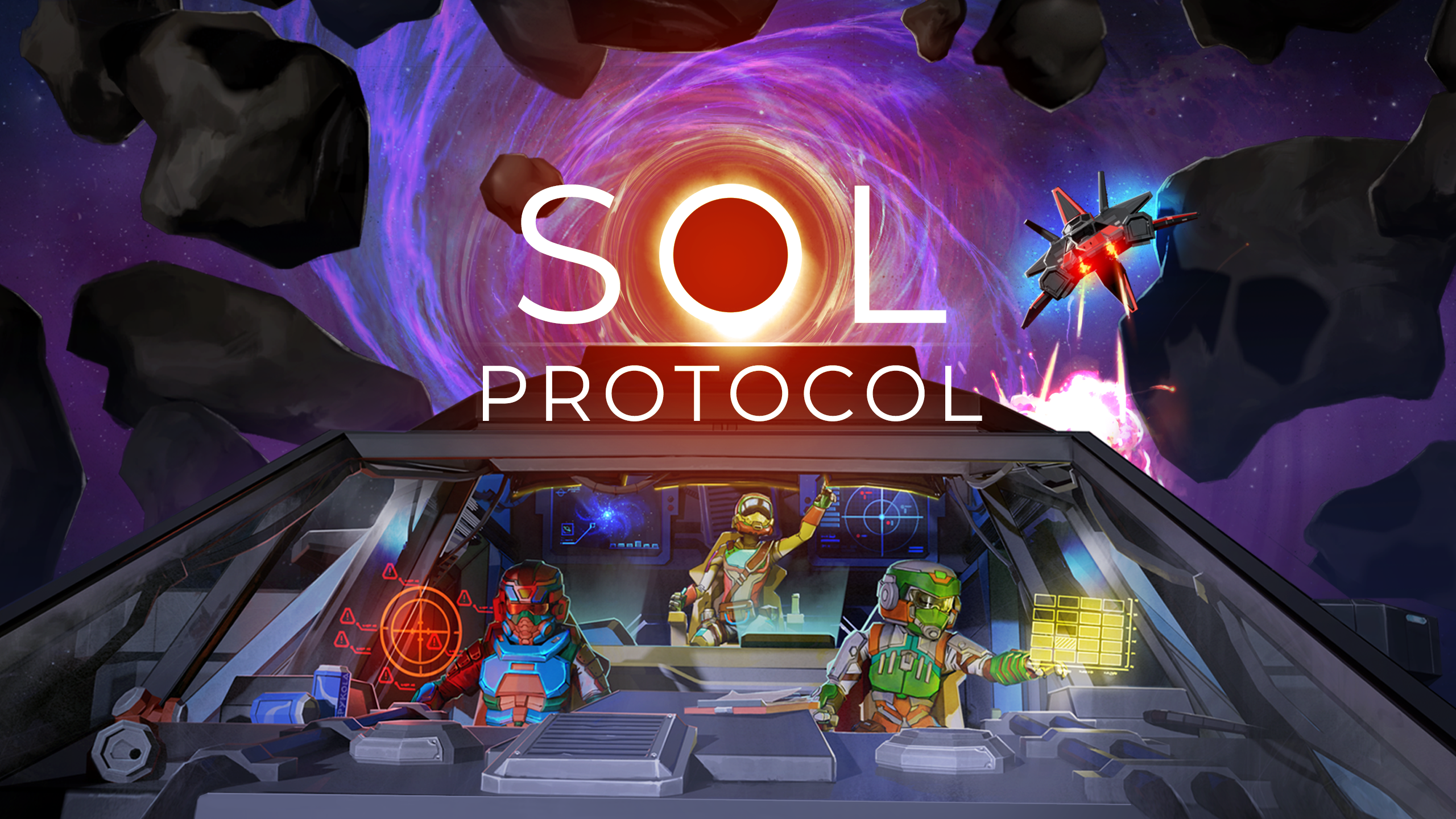
When developers like those behind the sci-fi FPS
The Shifting Landscape: Recent VR Title Closures and Development Stalls
The virtual reality gaming sector is currently navigating a period of significant recalibration. As the market matures, developers are increasingly forced to confront the harsh economic realities of sustaining niche titles. Recent announcements regarding the permanent closure of QUANTAAR and the indefinite suspension of full-time development for Memoreum highlight the precarious nature of the current VR ecosystem.

The Final Curtain for QUANTAAR
The team behind the social VR party experience QUANTAAR has officially confirmed that the game will cease operations. After fostering a vibrant community and hosting countless digital gatherings, the developers have decided to sunset the project.
The official shutdown is scheduled for September 5, 2026, at 11:00 (UTC+8). In preparation for this transition, the title has already been removed from digital storefronts, including the Meta Quest Store, Steam, and the Pico platform. The developers expressed profound appreciation for their player base, noting that the community’s enthusiasm was the driving force behind the game’s lifespan. However, the decision to close servers was described as a necessary, albeit difficult, conclusion to the project’s lifecycle.
Economic Realities Impacting Memoreum
In a similar vein, Patient 8 Games has provided a candid update regarding the status of Memoreum, their sci-fi shooter heavily influenced by the Dead Space franchise. Despite the creative ambition behind the project, the studio has confirmed that it is no longer viable to maintain full-time development.
The developer cited lackluster sales as the primary catalyst for this shift. While the team remains committed to the project in a limited capacity-with a single developer occasionally addressing the Steam version-there is no definitive timeline for future releases or major patches.
A Timeline of Challenges
* Initial Hype: Memoreum first captured industry attention during its 2023 Gamescom reveal.
* Strategic Backing: The project was bolstered by publisher 2080 Games, an entity led by prominent VR content creator Mike from VR Oasis.
* Market Performance: Following its October 2025 launch on Meta Quest, the game garnered a respectable 4.4-star rating from 353 users.
* Development Delays: Despite positive reception, the title has struggled to maintain a consistent roadmap. Its Steam listing has seen multiple delays, shifting from an initial 2025 target to Q2 2026, and most recently, to Q3 2026.
The Sustainability Challenge in VR
These developments serve as a sobering reminder that passion projects require more than just creative vision to survive. In an industry where development costs are rising and user attention is fragmented, even well-received titles can struggle to achieve the financial stability required for long-term support.
As the VR market continues to evolve, developers are finding that the “build it and they will come” mentality is increasingly insufficient. For indie studios, the ability to pivot, manage limited resources, and navigate the volatile storefront landscape has become just as critical as the gameplay mechanics themselves. While the loss of these titles is a disappointment to their respective communities, they underscore the ongoing struggle to balance artistic integrity with the cold, hard math of game development.