


Leadership Shifts at OpenAI: Fidji Simo Transitions to Advisory Role
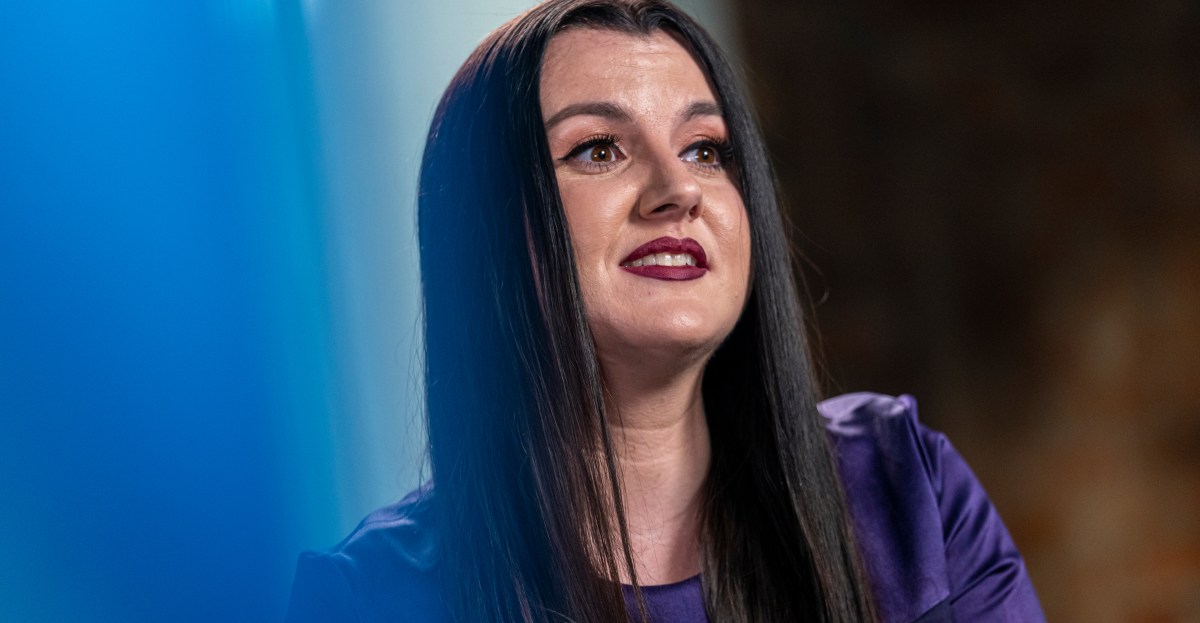
OpenAI is undergoing a significant leadership transformation as Fidji Simo, the company’s former AGI chief, steps down from her full-time responsibilities. In a recent update shared via X (formerly Twitter), Simo confirmed that she will move into a part-time advisory capacity, marking a major change for the organization as it navigates a competitive landscape in artificial intelligence.
A Challenging Path to Recovery
Simo’s decision follows a period of medical leave that began in April. At the time, she disclosed that she was managing a neuroimmune condition-a chronic health struggle she has faced for seven years. In her recent statement, she candidly addressed the difficulty of balancing the high-pressure demands of building the future of AGI with the realities of a disabling, incurable illness. She noted that her recovery process has proven far more intricate and time-consuming than initially expected, necessitating a complete shift in focus toward her health.
Sam Altman, CEO of OpenAI, publicly expressed his gratitude for Simo’s contributions, noting his sadness regarding her departure from the full-time executive team.
The Broader Context of Executive Turnover
Simo’s transition is part of a wider wave of C-suite adjustments at OpenAI. Earlier this year, the company saw several key figures step back or pivot their focus. COO Brad Lightcap transitioned to lead “special projects,” while CMO Kate Rouch also took a leave of absence to prioritize her well-being, with the intention of returning to a more specialized role in the future.
This period of instability has forced the company to redistribute responsibilities among its remaining leadership. During Simo’s initial leave, President Greg Brockman stepped in to oversee product development, while other executives-including CFO Sarah Friar, CSO Jason Kwon, and CRO Denise Dresser-took on expanded duties to manage the company’s business operations.
Strategic Reorganization for an “Agentic” Future
The executive shuffling has coincided with a broader strategic pivot. By mid-May, OpenAI implemented a structural reorganization aimed at sharpening its focus on the “AI agent” race. Under this new framework, Greg Brockman assumed control of product strategy and scaling, overseeing four primary pillars:
- Core product and platform development
- Critical enterprise-level industries
- Consumer-facing applications, including personal finance, commerce, and health
- Infrastructure, data science, and growth initiatives
The goal of this consolidation is to streamline the company’s efforts to build a unified “agentic” platform. By merging technologies like ChatGPT and Codex, OpenAI aims to create a more cohesive experience for users, positioning itself to compete more effectively in a market where AI agents are becoming the next frontier of software interaction.
Industry Impact and Future Outlook
The departure of high-level executives like Simo highlights the intense pressure inherent in the AI sector. As companies race to achieve AGI, the toll on leadership can be significant. According