




Outward 2: Why Nine Dots Studios is Prioritizing Polish Over a 2026 Release
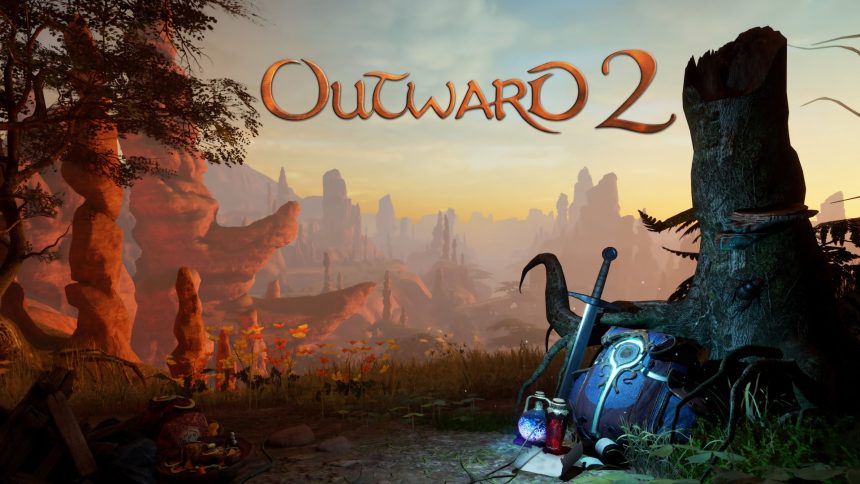
The highly anticipated PvE survival RPG Outward 2 is set to drop players into a brutal, unforgiving fantasy landscape where survival is never guaranteed. While the gaming community initially braced for an Early Access launch this July, Nine Dots Studios has officially shifted their roadmap. The team has opted to push the release window to 2027, prioritizing long-term quality over a rushed debut. We sat down with Guillaume Boucher-Vidal, the studio’s CEO and creative director, to discuss the reasoning behind this delay and what fans can expect from the refined experience.
Addressing the Delay: Why 2027 is the New Target
The decision to delay Outward 2 wasn’t made lightly. According to Boucher-Vidal, feedback from the beta phase served as a wake-up call. While Early Access titles are generally expected to have a few rough edges, the beta revealed systemic issues that went beyond minor glitches. Frequent multiplayer disconnections and severe performance bottlenecks on specific hardware configurations created a barrier to entry that the team wasn’t comfortable with.
In the current landscape of gaming, where player retention is heavily influenced by first impressions, launching in a “broken” state is a significant risk. Recent industry trends show that games with poor technical performance at launch often struggle to recover their player base, even after patches. By extending the development cycle, Nine Dots aims to move away from a “duct-taped” build toward a cohesive, stable foundation that allows players to focus on exploration rather than troubleshooting.
Refining the Core Experience: Beyond Bug Fixes
When asked if the extra time is being used to overhaul the game’s design, Boucher-Vidal emphasized that the goal isn’t to add “feature creep,” but to sharpen the existing mechanics. The team is focusing heavily on:
- Combat Responsiveness: Moving away from the technical limitations of the first game to create combat that feels deliberate rather than clunky.
- Economic and Combat Balance: Fine-tuning variables-such as stamina regeneration rates-to ensure that the game’s difficulty feels fair rather than arbitrary.
- World Readability: Ensuring that players understand the stakes and the environment without needing their hands held.
The studio acknowledges that while they want to improve the tutorial, they refuse to compromise the “Outward” identity. The game is designed to make players feel overwhelmed initially; the challenge lies in providing the right tools so that the player feels empowered to overcome that initial friction through their own ingenuity.
Balancing Immersion and Accessibility
The original Outward was defined by its “friction”-the necessity of preparation, navigation, and managing survival needs. For the sequel, the team is re-evaluating how that friction interacts with player immersion. Boucher-Vidal notes that the stiffness of the original game’s combat was often a byproduct of budget constraints rather than a deliberate design choice. In Outward 2, the goal is to maintain the weight and consequence of every swing and spell without making the character feel unresponsive.
To make the game more approachable, the studio is investing heavily in narrative depth. In the first title, the complex web of faction-based storytelling was often missed by players who didn’t dive deep into the lore. By introducing more compelling characters, improved narrative pacing, and full voice acting, Nine Dots hopes to provide a stronger “carrot” to keep players engaged. This narrative layer acts as a guide, pulling players through the harsh world and giving them a clearer sense of purpose as they navigate the unforgiving wilds of Outward 2.
Evolving the Survival RPG: A Deep Dive into Outward 2’s Design Philosophy
The original Outward was a cult classic defined by its uncompromising difficulty and “tough love” approach to survival. For the sequel, the development team is focusing on refining the player experience. By prioritizing a more polished interface, immersive storytelling, and a world that feels truly lived-in, the goal is to provide players with a compelling reason to push through the game’s inherent friction, ensuring the journey feels rewarding rather than merely punishing.
Refining Combat: Fluidity Meets Brutal Realism
Outward 2 introduces a significant overhaul to the combat engine. Players can now expect a much more responsive experience, featuring advanced mechanics like dodge-canceling, fluid rolls, dual-wielding capabilities, and more intuitive blocking. This shift toward agility raises a critical question: how do you maintain the series’ signature high-stakes challenge without making the game feel unbalanced?
The developers are addressing this by scaling enemy aggression and introducing more sophisticated ranged attacks. Because players can now execute faster combos and more frequent dodges, the team is meticulously recalibrating stamina costs to ensure that every action remains a calculated risk. Rather than simply flooding the screen with enemies, the balance is being struck through smarter AI behaviors and nuanced stat adjustments.
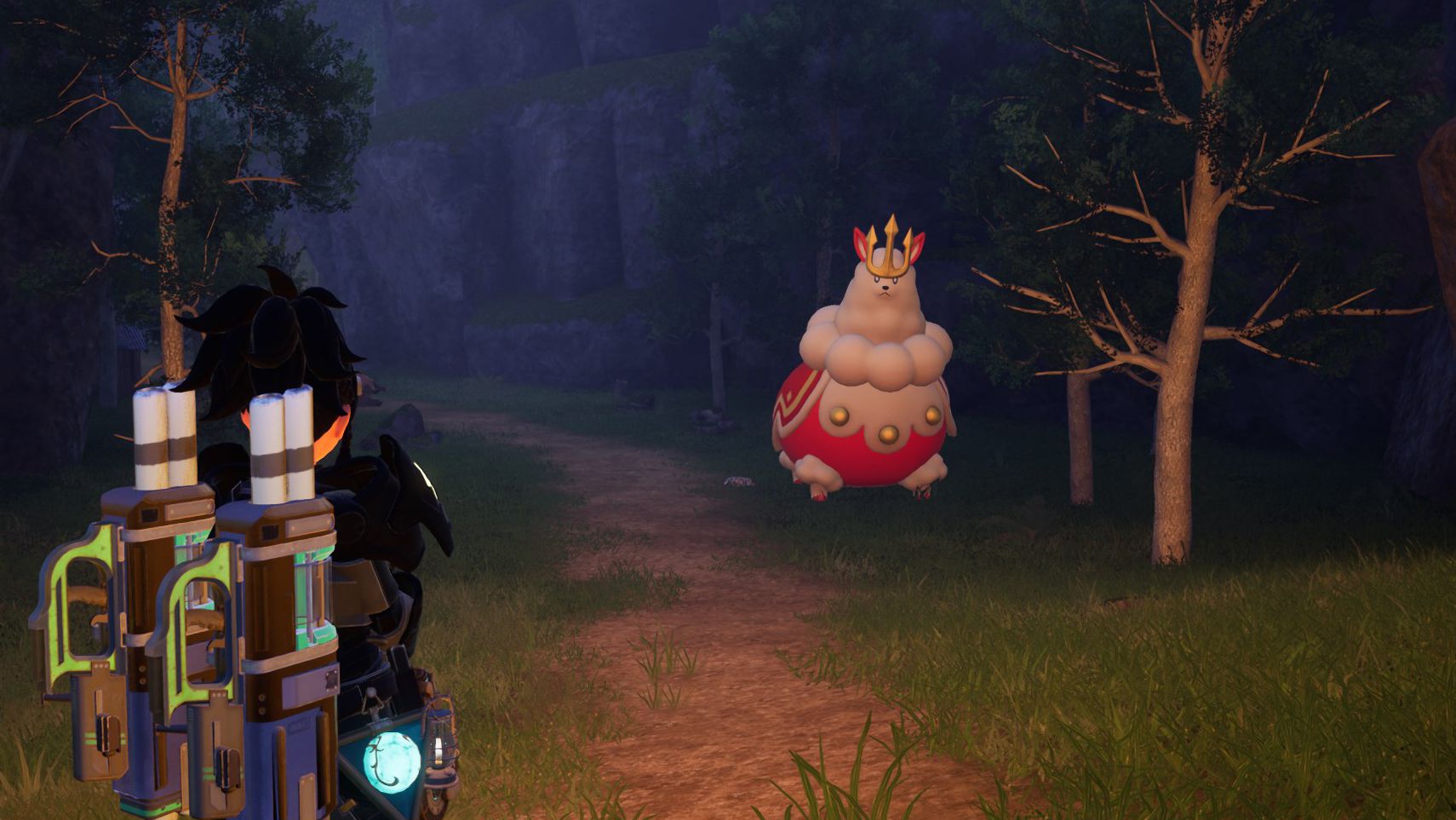
Ultimately, the core philosophy remains: combat is inherently unfair. In a world where you are often outmatched by gargantuan beasts or outnumbered by bandits, victory shouldn’t come from button-mashing. Instead, the game encourages players to embrace the “unfairness” of the world. Success in Outward 2 is reserved for those who prepare, use the environment to their advantage, and approach every encounter with tactical foresight.
The Evolution of Character Progression: Moving Beyond XP
One of the most radical departures from traditional RPG tropes is the move away from standard experience points and leveling. Instead, Outward 2 utilizes an “Exercise” system, where character growth is tied to specific, finite micro-achievements across survival, crafting, and combat disciplines.
This system creates two distinct player paths:
- Organic Growth: Players naturally evolve their character based on their preferred playstyle, letting upgrades emerge from their specific habits.
- Targeted Progression: Players can plan their character’s trajectory, intentionally engaging in specific activities to accelerate their mastery of certain skills.
While non-combat tasks contribute to your character’s development, the rewards are designed to bolster your combat efficacy. This shift ensures a more gradual, satisfying sense of progression. Unlike the original game, where character builds could feel “finished” quite suddenly, Outward 2 aims to simulate a lifelong learning process, where your character’s capabilities expand steadily alongside your own mastery of the game’s systems.
Early Access: Building a Living Sandbox
The roadmap for Outward 2’s Early Access period is designed to provide a substantial, meaningful experience from day one. Rather than releasing a fragmented “slice” of the game, the team is focusing on a sandbox-first approach. By launching with three of the four planned regions and a portion of the faction questlines, players will have plenty of room to experiment with character builds and mechanical exploration.
The development team intends to roll out the remaining regions and story content in major updates, ensuring that the world feels complete and cohesive as quickly as possible. This strategy allows the developers to gather community feedback on systemic mechanics while simultaneously layering in the narrative depth that will define the final release.
Narrative Stakes: From Observer to Protagonist
In the first Outward, the narrative was largely emergent; players often felt like a small cog in a massive machine, witnessing events dictated by powerful factions
Deepening the Journey: How Outward 2 Refines the Survival RPG Experience
The original Outward carved out a unique niche by prioritizing player agency and consequence over traditional hand-holding. With the upcoming sequel, the development team is doubling down on these core pillars, aiming to foster a deeper emotional connection between the player and the game world. By shifting the narrative focus toward smaller, more intimate factions, Outward 2 ensures that your actions carry significant weight within your immediate community, moving away from the “faceless hero” trope common in many sprawling open-world titles.
A Living, Breathing World Without the GPS Crutch
One of the most ambitious goals for Outward 2 is to create an environment that feels truly reactive. Through the introduction of seasonal shifts, region-specific environmental threats, and dynamic NPC patrols, the world is becoming significantly more dense. However, this added complexity raises a design challenge: how do you maintain the series’ signature “no-hand-holding” philosophy while ensuring the world remains navigable?
The solution is refreshingly grounded. Rather than implementing intrusive mini-maps or glowing objective markers, the developers are opting for environmental storytelling and practical navigation aids. By placing more intuitive signage along major trade routes and paths, the game encourages players to observe their surroundings and engage with the map, rather than mindlessly following a digital breadcrumb trail.
Survival as a Strategic Advantage, Not a Chore
In many survival-oriented games, managing hunger, thirst, and gear often feels like a tedious checklist-a series of chores designed merely to prevent a “Game Over” screen. Outward 2 aims to flip this dynamic. The goal is to transition the player from survival as a necessity to survival as a strategic choice.
Consider your loadout: your choice of backpack, tent, and provisions is no longer just about staying alive; it is about optimizing your character build. A mage, for example, might prioritize specific gear that enhances mana regeneration or provides elemental protection, turning survival mechanics into a tool for character specialization. When you choose your equipment, you are actively shaping your playstyle.
Furthermore, the game’s approach to injury-such as concussions or sprained ankles-is designed to force a shift in mindset. These aren’t just temporary stat debuffs that can be ignored with a quick potion; they are mechanical hurdles that demand tactical adjustments. By making these consequences complex, the game forces players to respect the environment and acknowledge the physical toll of their journey.
Balancing Consequence and Fairness
The “Outward” experience is defined by its high stakes. With mechanics like quest timers, potential gear theft, and the looming threat of permanent saves in Hardcore mode, the game is designed to generate unforgettable stories. Yet, there is a fine line between a memorable setback and a demoralizing experience.
The developers emphasize that frustration usually stems from a lack of agency-the feeling that a failure was inevitable regardless of the player’s skill. To mitigate this, the team is focusing on the “distribution of knowledge.” By ensuring that players have access to the necessary tools-such as crafting recipes, traps, and alchemical supplies-and providing subtle narrative hints, the game empowers players to prepare for the challenges ahead.
While the beta testing phase highlighted a need for better early-game guidance, the team remains committed to their philosophy of “nudging” rather than “pushing.” They are willing to accept the risk that some players may miss certain cues, as this preserves the sense of discovery and personal achievement that makes the Outward series so rewarding. In Outward 2, the journey is yours to navigate, and the consequences are yours to own.