





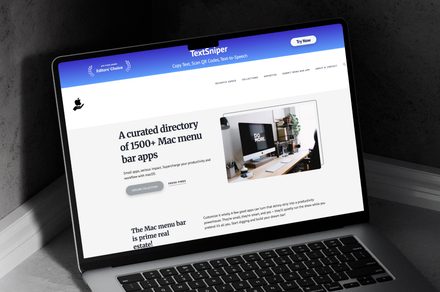
Unlock Your Mac’s Potential: The Ultimate Hub for Menu Bar Utilities
For most macOS users, the menu bar is little more than a static strip of glass at the top of the screen, serving only to display the current time, Wi-Fi status, and battery life. However, this narrow band of pixels represents the most underutilized real estate on your computer. By integrating the right tools, you can transform this passive area into a high-speed command center that streamlines your entire workflow.
The challenge isn’t a lack of software; it’s the difficulty of discovery. The official Mac App Store often buries niche utilities under a mountain of mainstream software, and scouring disparate tech blogs for recommendations is an inefficient use of your time. While power users often swear by staples like CleanShot X for screen capture or Supercharge for system optimization, finding the perfect utility for your specific needs usually feels like searching for a needle in a digital haystack.
Introducing MacMenuBar: A Curated Ecosystem
If you are looking to optimize your desktop experience, MacMenuBar is an essential resource. Rather than relying on hit-or-miss search algorithms, this platform serves as a comprehensive, human-curated directory housing over 1,500 specialized Mac menu bar apps. It effectively bridges the gap between developers creating innovative micro-tools and users who need them to boost their daily productivity.
Think of
Tech Roundup: Apple’s Latest Betas, Windows Search Overhauls, and EU Regulatory Pressure
The tech landscape is shifting rapidly this week, with major updates from Apple and Microsoft, alongside significant regulatory developments in Europe. From the arrival of the macOS 27 public beta to a long-overdue cleanup of Windows Search, here is the latest on the tools and ecosystems shaping your digital life.
macOS 27 Golden Gate: Testing the Future of Apple Silicon
Apple has officially opened the doors to the macOS 27 “Golden Gate” public beta. This release is a critical milestone, allowing enthusiasts to test cutting-edge features-most notably the integration of Siri AI-before the final version hits the market this September.
While developer betas are often plagued by instability, the public beta track is designed for those who want a more polished experience without risking their primary machine’s reliability. By participating now, users play a vital role in identifying bugs, ensuring that the final autumn release is as stable as possible. If you are eager to preview the next generation of macOS, the public beta is the safest way to dive in.
A Cleaner Vision for Windows Search
For years, Windows Search has been a point of frustration for power users. What should be a simple utility for locating local files has frequently felt like a cluttered advertisement board, filled with irrelevant Bing trends, unsolicited Microsoft Store suggestions, and AI shortcuts that merely redirect to a web browser.
Fortunately, Microsoft is finally addressing these grievances. A new update is currently rolling out to Windows Insiders in the Experimental channel, and it represents a fundamental shift in philosophy. Rather than just updating the visual interface, Microsoft is stripping away the “billboard” elements to prioritize actual user intent. While this feature is currently restricted to a small testing group, it signals a long-awaited return to a functional, utility-first search experience.
The EU vs. Apple: Opening the AirPods Ecosystem
The “walled garden” approach that defines Apple’s ecosystem-specifically the seamless, near-instant pairing of AirPods-has long been a double-edged sword. While the convenience of having audio follow you from an iPhone to a MacBook is unparalleled, it remains strictly exclusive to Apple hardware.



This exclusivity is now under fire. Due to the European Union’s Digital Markets Act (DMA), Apple may soon be forced to open its proprietary pairing protocols to third-party competitors. This could have massive implications for devices like the Meta Quest or Ray-Ban Meta smart glasses. If the EU succeeds, the “magical” connectivity that keeps users locked into the Apple ecosystem could become a universal standard, potentially allowing non-Apple hardware to integrate with AirPods just as smoothly as an iPad or Mac. This regulatory push, expected to materialize in the EU by Spring 2027, marks a significant challenge to Apple’s control over its peripheral ecosystem.