




Is Your PS5 a Ticking Time Bomb? Sony’s Next-Gen Cooling Strategy
For some time, a persistent narrative has circulated within the gaming community: the PlayStation 5 may have a built-in expiration date. While the console has been a massive commercial success, whispers regarding its long-term hardware reliability have grown louder, potentially influencing Sony’s engineering roadmap for the upcoming PlayStation 6.
Moving Beyond Liquid Metal: A Shift in Thermal Management
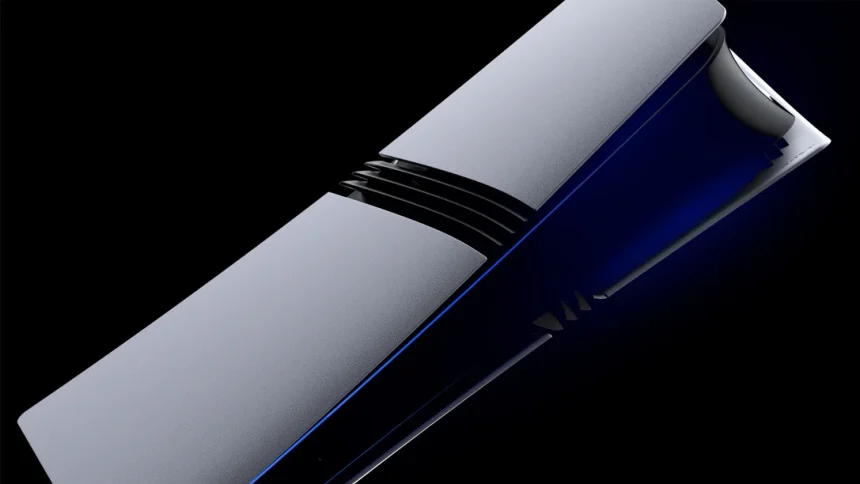
Recent reports, including insights from WCCFTech, highlight a newly filed Sony patent that suggests a significant departure from the current thermal architecture. The documentation outlines an advanced heatpipe design that evolves beyond the existing PS5 heatsink. The most critical takeaway from this patent is the apparent abandonment of the liquid metal cooling solution that defines the current generation.
Instead, Sony appears to be pivoting toward a sophisticated vapor cooling system. This transition is particularly telling, as the liquid metal application in the PS5 has been a frequent point of contention among independent repair technicians and hardware enthusiasts. While Sony has never officially acknowledged a widespread failure rate linked to this component, anecdotal evidence from repair shops frequently points to liquid metal leakage or oxidation as a primary culprit when consoles suffer catastrophic hardware failure.
The Looming Pressure to Upgrade
The conversation surrounding the PS6 is currently dominated by speculation regarding its raw power and feature set. However, the underlying anxiety regarding the PS5’s longevity cannot be ignored. If the rumors regarding the inherent vulnerabilities of the current cooling system prove accurate, the implications for the user base are significant.
With over 93 million PS5 units currently in homes worldwide, the potential for a “mass failure” event-should these hardware concerns manifest on a larger scale-could serve as a powerful catalyst for the next console cycle. If users begin to see their current machines fail as they age, the transition to the PlayStation 6 may become less of a choice and more of a necessity for the millions of gamers currently invested in the ecosystem.
Why Vapor Cooling Matters
Vapor chamber technology is not entirely new to the tech world; it is already a staple in high-end gaming laptops and flagship smartphones, where space is at a premium and thermal efficiency is paramount. By adopting this for the PS6, Sony is likely aiming for a more stable, long-term thermal solution that avoids the risks associated with conductive liquid metals. This shift suggests that for the next generation, Sony is prioritizing hardware durability and consistent performance over the experimental cooling methods that characterized the PS5’s launch.


![[Interview] Corren Cavini Talks Purified And Inspiration Through Vulnerability](https://www.mixtv1.com/wp-content/uploads/2026/09/27884-attachment.jpg)