




## The End of an Era: OnePlus Transitions Fully to ColorOS
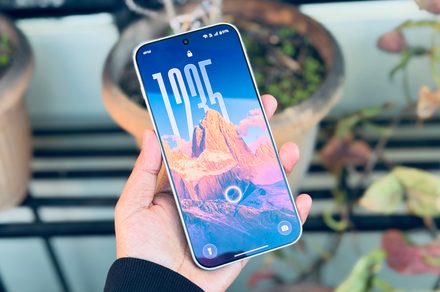
For over ten years, OxygenOS served as the hallmark of the OnePlus experience, celebrated by enthusiasts for its clean, bloatware-free interface and snappy performance. However, that chapter is officially closing. OnePlus has formally announced that it is retiring its signature Android skin, transitioning its global user base toward Oppo’s ColorOS.
### A Strategic Shift in Software Development
The decision to sunset OxygenOS was revealed alongside the company’s broader announcement regarding its withdrawal from the North American and European markets. According to official communications, once ColorOS 17 becomes available, owners of supported OnePlus handsets will be invited to transition their devices to the new operating system.
From a corporate perspective, this move is designed to optimize efficiency. By consolidating software development efforts with its parent company, Oppo, OnePlus aims to accelerate the rollout of security patches and major Android version updates. This unified approach is intended to eliminate the redundancy of maintaining two distinct software branches, allowing for a more streamlined engineering pipeline.
### The Long Road to Integration
While this transition may feel abrupt to some, the writing has been on the wall for years. The integration process began in earnest back in 2021, when OnePlus co-founder Pete Lau confirmed that the company would begin merging its engineering teams with Oppo.
This structural shift led to a unified codebase, effectively blurring the lines between the two operating systems. Over the past few years, users have witnessed a gradual aesthetic and functional convergence; each subsequent iteration of OxygenOS has increasingly mirrored the design language and feature set of ColorOS. What was once a distinct, minimalist skin has slowly evolved into a rebranded version of Oppo’s software, making this final transition a logical conclusion to a multi-year strategy.
### What This Means for Users
The shift toward a singular software ecosystem reflects a broader trend in the smartphone industry, where manufacturers are prioritizing resource management and global consistency over niche, localized software experiences. While long-time fans of the original “stock-like” OxygenOS may lament the loss of its unique identity, the move promises a more robust support cycle and faster access to the latest Android features.
As the industry continues to consolidate, this transition highlights the growing influence of parent companies in shaping the software identity of their subsidiary brands. For OnePlus users, the future is now firmly rooted in the ColorOS ecosystem.