



Beyond the Surface: Madonna’s Sonic Evolution in Confessions II
There is a persistent, misguided narrative that electronic dance music lacks depth. However, those who truly immerse themselves in the culture understand that the dance floor serves as a sacred, ritualistic gateway-a sanctuary where physical expression transcends the limitations of spoken language.
A Masterclass in Electronic Heritage
With the release of Confessions II, Madonna has firmly reclaimed her throne, delivering her most celebrated work in over twenty years. Securing her 10th No. 1 spot on the Billboard 200, the record is far more than a mere follow-up to her 2005 disco-infused masterpiece, Confessions on a Dance Floor. Instead, it functions as a sophisticated sonic tapestry, weaving together the foundational threads of Chicago house, the industrial grit of Detroit techno, the syncopated rhythms of two-step garage, and the hypnotic pulses of acid house.
The album is structured as a narrative journey, mirroring the visceral experience of a night out. It captures the full spectrum of human emotion: the nervous, electric anticipation of the evening’s start, the peak of collective euphoria under the strobe lights, and the introspective, hazy clarity that only arrives at dawn.
The Rave Experience: Bringing the Record to Life
The rollout for Confessions II has been nothing short of unconventional, characterized by bold marketing choices-including a high-profile collaboration with the LGBTQ+ dating platform Grindr. This strategy culminated in a series of immersive live events dubbed “Club Confessions.”
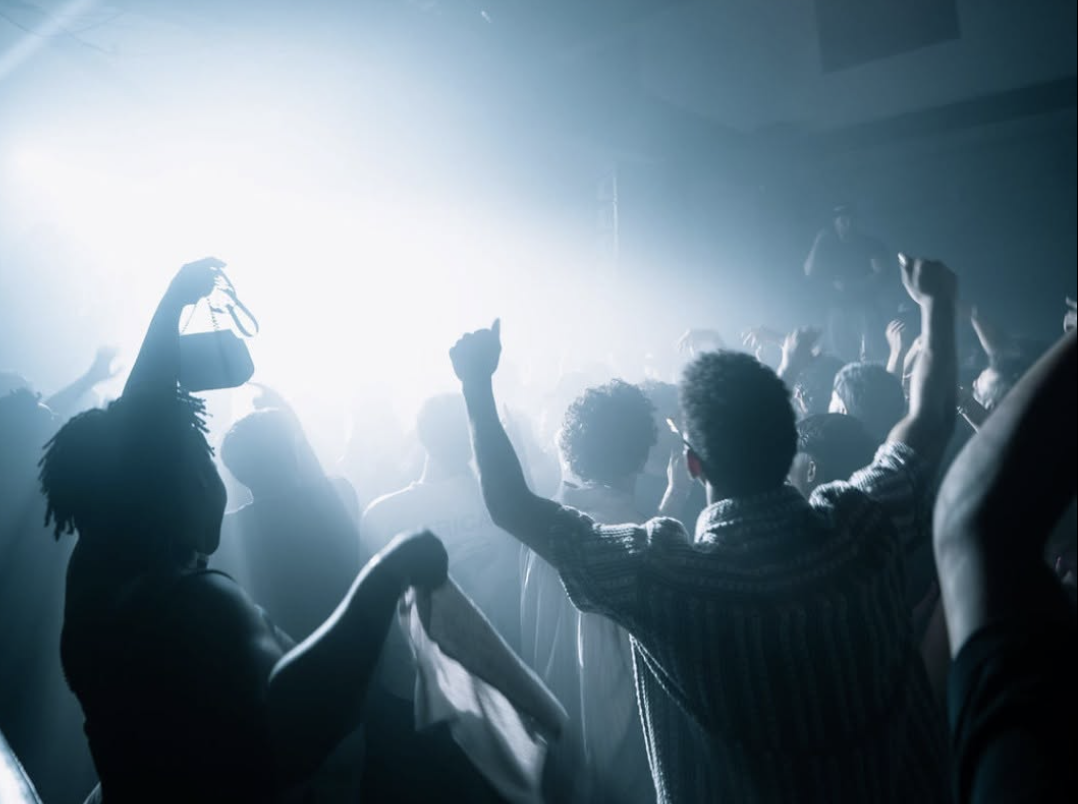
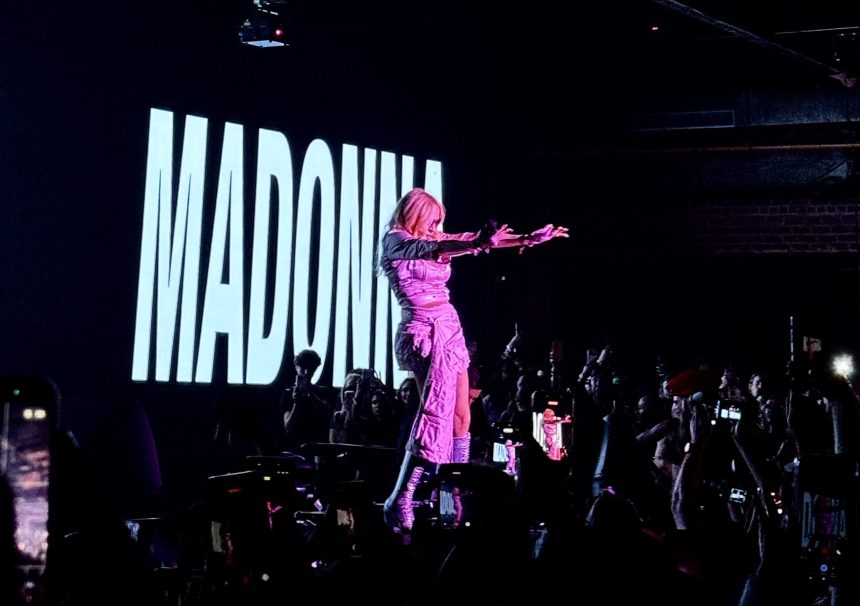
On Saturday, July 11, the Knockdown Center in Brooklyn played host to the fourth installment of this rave-inspired series. By transforming the album’s themes into a tangible, high-energy environment, Madonna proved that she remains at the forefront of both pop culture and club music innovation. As the industry continues to evolve, with electronic music festivals seeing a 15% increase in global attendance over the last year, Madonna’s ability to bridge the gap between mainstream pop and underground dance culture remains unparalleled.