





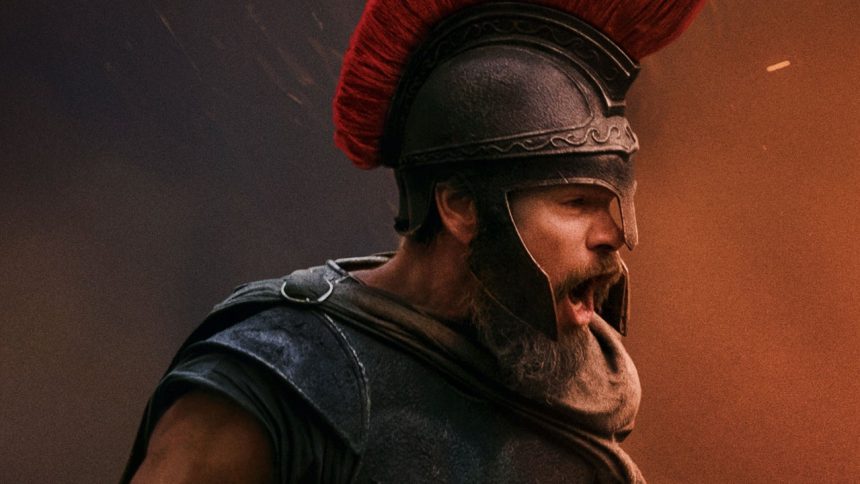
A Cinematic Reimagining: Christopher Nolan’s Take on The Odyssey
Hitting the big screen on July 17, Christopher Nolan’s latest directorial venture, The Odyssey, arrives with immense expectations. At its core, the film pivots around a single, haunting inquiry: “Couldn’t you have shown some mercy?”
This central question serves as the heartbeat of a production that manages to be both grand in scale and intimately devastating. By utilizing Homer’s ancient epic as a framework, Nolan crafts a narrative that feels startlingly contemporary. He forces audiences to confront the enduring nature of conflict, the psychological scars of PTSD, and the unsettling reality that, three millennia after the poem’s inception, humanity remains trapped in the same cycles of violence. While the film is undeniably ambitious and frequently profound, it is not without its flaws; the pacing occasionally falters, and despite a runtime pushing three hours, certain narrative arcs feel uncomfortably compressed. Ultimately, it is a brilliant, if occasionally uneven, cinematic experience that demands to be seen.
The Mythic Journey Recontextualized
For those whose familiarity with the source material is limited to high school literature assignments, the premise remains rooted in the classic Greek tradition. Matt Damon steps into the role of Odysseus-a man defined by his conflicting identities as a monarch, a soldier, a husband, and a father. The story follows his grueling two-decade absence from his home in Ithaca. His journey is not merely a physical trek across the treacherous waters of the Aegean; it is a forced odyssey through a mythological landscape, triggered by the demands of the Achaean high king.
Modern Parallels in Ancient Conflict
What sets this adaptation apart is its refusal to treat the source material as a mere period piece. Much like how modern military dramas-such as The Hurt Locker or American Sniper-examine the internal toll of combat, Nolan uses the fantastical elements of Homer’s world to mirror the modern veteran’s experience. Recent data from the U.S. Department of Veterans Affairs suggests that nearly 12% of Gulf War veterans suffer from PTSD in any given year; Nolan’s film taps into this contemporary crisis, suggesting that Odysseus’s struggle to return home is a universal metaphor for the difficulty of reintegrating into civilian life after the trauma of war.
By stripping away some of the traditional heroic gloss, the film highlights the exhaustion and moral ambiguity inherent in the warrior’s path. It is a bold creative choice that elevates the film from a standard mythological adventure to a somber meditation on the cost of glory.