





The Rise of ClickLock: How Psychological Manipulation is Compromising macOS Security
The landscape of cyber threats targeting Apple users is shifting. Rather than relying on complex code exploits or silent background data harvesting, a sophisticated new strain of macOS malware known as “ClickLock” is bypassing traditional defenses by weaponizing human behavior. This threat doesn’t just infect your machine; it manipulates you into handing over the keys to your digital life.
## A Hostage Situation for Your Credentials
ClickLock operates with a level of audacity rarely seen in modern malware. Instead of operating stealthily, it actively disrupts your workflow. By systematically terminating essential macOS processes and suppressing system notifications, the malware creates a state of digital paralysis.
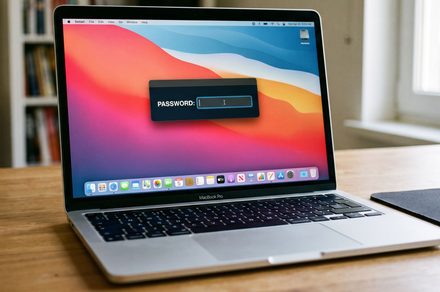
The user is then presented with a highly convincing, authentic-looking Apple system prompt demanding a login password. This creates a “trap” scenario: the computer remains unusable until the user complies. Once the password is surrendered, the malware’s true objective is revealed. It immediately pivots to exfiltrating sensitive information, including:
* Stored browser history and cookies.
* Cryptocurrency wallet keys.
* Saved login credentials and password manager databases.
* Personal files and system configuration data.
## Global Reach and Evasion Tactics
According to recent findings from security firm Group-IB, this campaign is far from localized. Since its emergence in May, ClickLock has successfully compromised at least 100 systems spanning 33 different countries.
Perhaps most alarming is the malware’s ability to evade detection. When initial samples were submitted to the VirusTotal scanning platform in June, the security engines failed to identify the threat as malicious. This highlights a significant gap in current antivirus heuristics, which are often tuned to look for traditional file-based exploits rather than the psychological manipulation tactics employed here.
## Hacking the User, Not the System
The success of ClickLock underscores a growing trend in cybersecurity: social engineering is becoming more effective than technical hacking. While many developers focus on patching zero-day vulnerabilities or privilege escalation flaws, ClickLock ignores these entirely.
The infection vector typically mirrors “ClickFix” campaigns. Users are often lured into a false sense of security through a fake “human verification” prompt-frequently disguised as a Cloudflare security check. The victim is instructed to open the Terminal and paste a malicious command, believing they are simply proving they aren’t a bot. In reality, they are granting the malware the permissions it needs to take control of their session.
## Protecting Your Digital Workspace
To defend against this evolving threat, users must remain vigilant regarding Terminal commands. Never paste code into your system unless you are absolutely certain of its origin and function. Furthermore, be wary of any unexpected prompts that interrupt your workflow, even if they appear to be official Apple system dialogues. If a prompt seems out of place or occurs after an unusual web interaction, force-quit the process and restart your machine rather than entering your credentials.