




The Future of Samsung Foldables: What to Expect from the Next Generation
As the mobile industry shifts its focus toward more refined hardware, Samsung is preparing to shake up its foldable lineup. While the current generation of devices has set a high bar, rumors surrounding the upcoming Fold 8, Fold 8 Ultra, and Flip 8 suggest that the tech giant is looking to address long-standing user complaints while navigating a challenging economic landscape.
Refining the Foldable Experience: Fold 8 and Ultra Variants
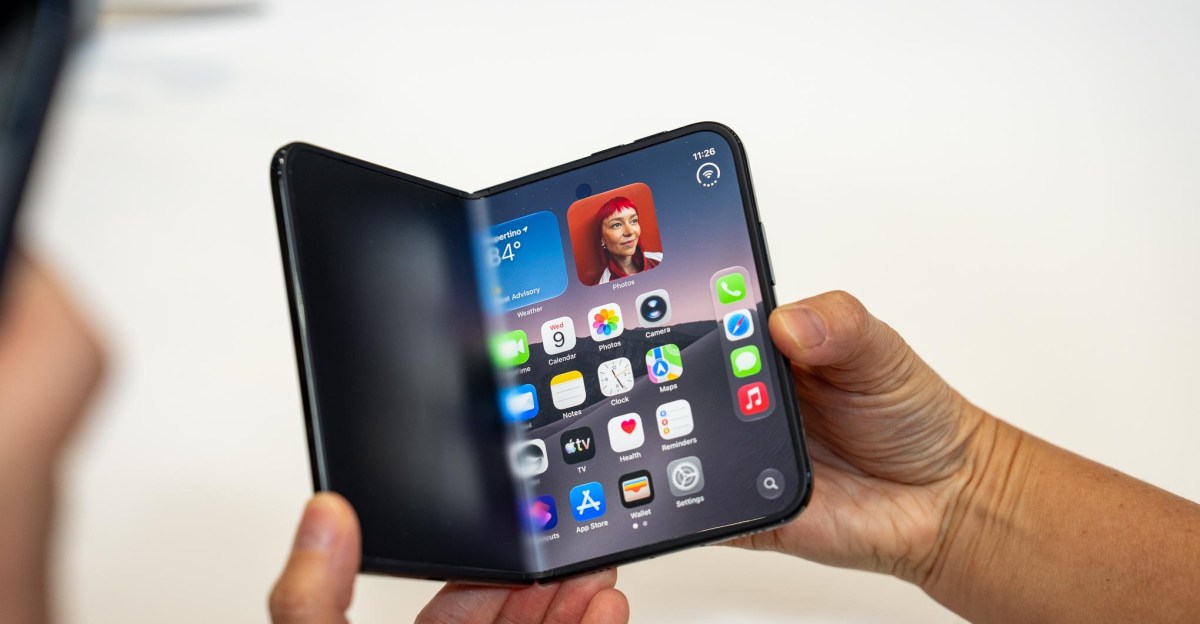
The most significant design shift is expected to arrive with the standard Fold 8. For years, users have criticized the “candy bar” aesthetic of Samsung’s tall, narrow cover screens. Reports indicate that Samsung is finally moving toward a more ergonomic, wider aspect ratio, which should make the device feel more like a traditional smartphone when folded.
Meanwhile, the rumored Fold 8 Ultra is shaping up to be a powerhouse. Industry insiders suggest this premium model will feature a significantly sharper display, a top-tier chipset, and a revamped camera array. To support these power-hungry upgrades, Samsung is also expected to integrate a larger battery, addressing the endurance concerns that often plague high-performance foldable devices.
The Flip 8 Dilemma: Innovation vs. Inflation
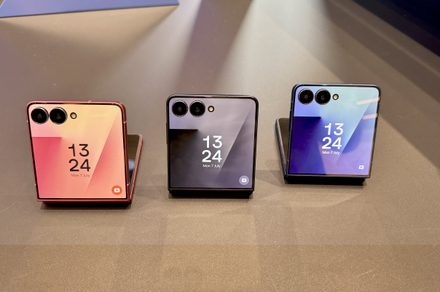
The Galaxy Flip series has long been the “fun” entry point into the foldable market. However, the upcoming Flip 8 faces a difficult path. Unlike the Fold series, which is receiving substantial hardware overhauls, the Flip 8 may see more modest changes. One of the most notable rumors is a potential departure from Qualcomm’s Snapdragon processors, as Samsung explores alternative chipset partnerships to manage costs.
This strategy comes at a precarious time. The global smartphone industry is currently grappling with a severe memory and component supply crisis, which has driven up production costs across the board. Because of these thin profit margins, there is a growing concern that Samsung may increase the retail price of the Flip 8 without offering the significant hardware leaps that consumers have come to expect.
Projected Pricing and Market Outlook
Financial forecasts, including recent data from WinFuture, paint a sobering picture for European consumers. While the Flip 7 debuted at €1,199 for the 256GB model, the Flip 8 is projected to start at €1,299. The higher-tier 512GB model is expected to jump to €1,499, up from the previous €1,319 price point.
This represents a potential price hike of up to €180. In a market where consumers are increasingly price-sensitive, Samsung will need to justify these costs through software optimization or unique features, as a simple iterative update may struggle to gain traction against more aggressive competition from other foldable manufacturers.